Getting Around
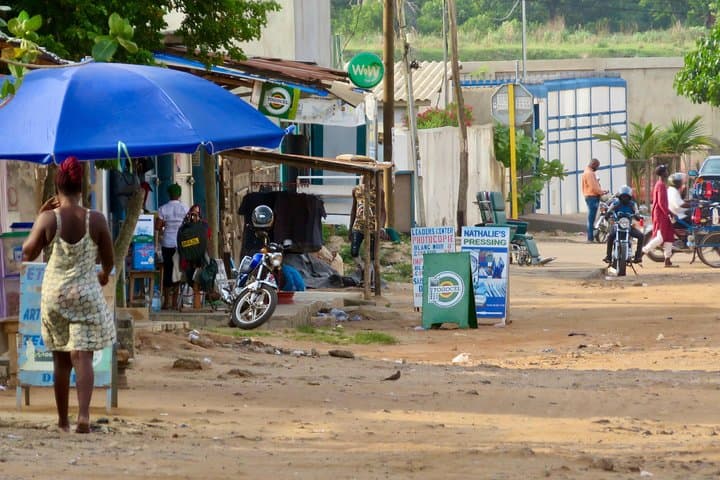
Benin has a network of buses and taxis for transportation, but be prepared for varying road conditions.
Benin, officially the Republic of Benin, formerly known as Dahomey, is a country in West Africa. Benin is bordered by Togo to the west, Nigeria to the east, Burkina Faso to the northwest, and Niger to the northeast. The majority of its population lives on the southern coastline of the Bight of Benin, part of the Gulf of Guinea in the northernmost tropical portion of the Atlantic Ocean. The capital is Porto-Novo, and the seat of government is in Cotonou, the most populous city and economic capital. Benin covers an area of 112,622 km2 (43,484 sq mi), and its population in 2021 was estimated to be approximately 13 million. It is a tropical country with an economy heavily dependent on agriculture and the exports of palm oil and cotton. From the 17th to the 19th centuries, political entities in the area included the Kingdom of Dahomey, the city-state of Porto Novo, and other states to the north. France took over the territory in 1894, incorporating it into French West Africa as French Dahomey. In 1960, Dahomey gained full independence from France. As a sovereign state, Benin has had democratic governments, military coups, and military governments. A self-described Marxist–Leninist state called the People's Republic of Benin existed between 1975 and 1990. In 1991, it was replaced by the multi-party Republic of Benin. The official language of Benin is French, with indigenous languages such as Fon, Bariba, Yoruba and Dendi also spoken. The largest religious group in Benin, as projected for 2020 by Pew Research Group based on 2010 statistics, is Christianity (52.2%), followed by Islam (24.6%) and African traditional religions (17.9%). Benin is a member of the United Nations, the African Union, the Economic Community of West African States, the Organisation of Islamic Cooperation, the South Atlantic Peace and Cooperation Zone, Francophonie, the Community of Sahel–Saharan States, the African Petroleum Producers Association and the Niger Basin Authority.
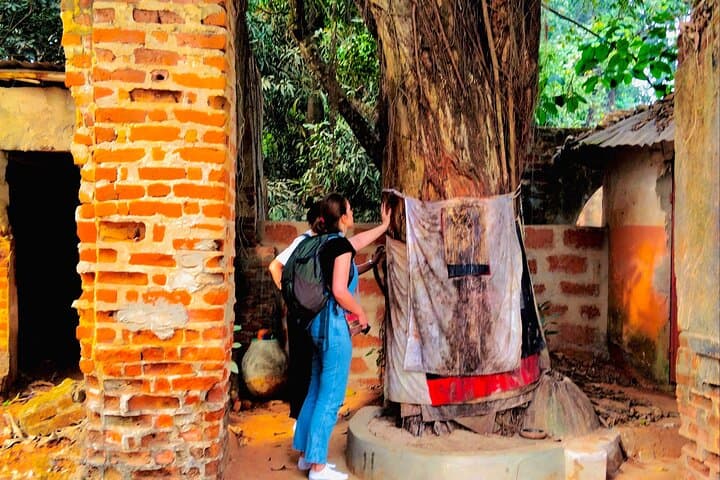
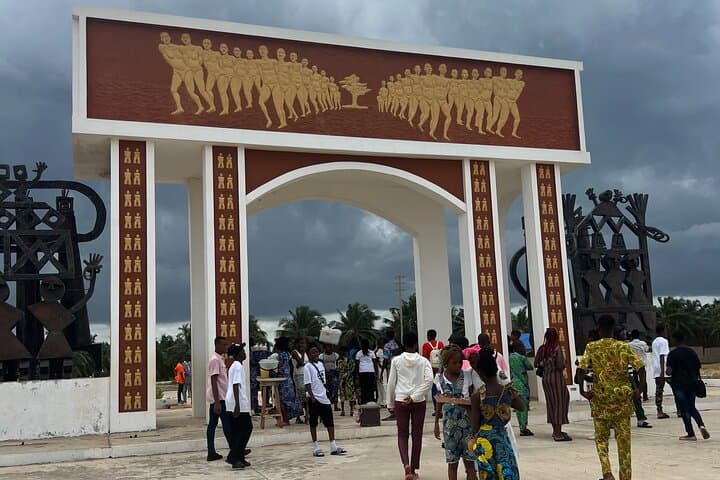
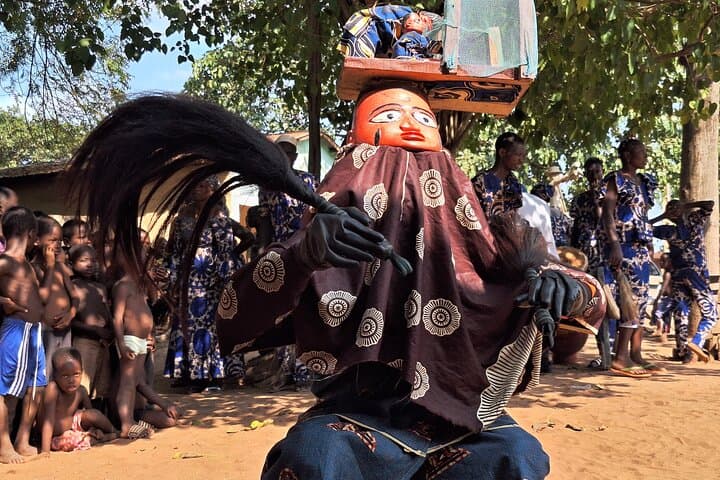
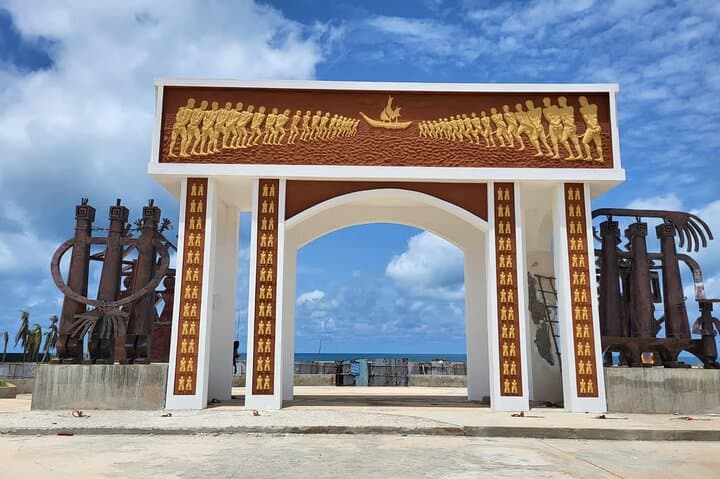
Rich cultural heritage with historical sites like the Royal Palaces of Abomey.
Diverse wildlife and nature reserves, ideal for eco-tourism.
Warm tropical climate, with distinct wet and dry seasons.
Vibrant markets and artisan crafts, offering unique shopping experiences.
Benin has a network of buses and taxis for transportation, but be prepared for varying road conditions.
XOF CFA
$50-$100 p/day
Try local dishes like Pâte Rouge and Akassa, and don't miss the fresh seafood along the coast.
Exercise caution in crowded areas to prevent pickpocketing, and be aware of local travel advisories.
French, Fon, Yoruba
While French is the official language, learning a few phrases in indigenous languages like Fon or Yoruba can be helpful.
The official currency is the West African CFA franc, so it's useful to have some cash on hand for smaller purchases.
November-February
Spring is a good time to visit Benin with moderate temperatures and less rainfall, ideal for exploring cultural sites.
Summer can be hot and humid, with the rainy season peaking, making some roads less accessible.
Fall offers a pleasant climate with the end of the rainy season, perfect for outdoor activities and wildlife viewing.
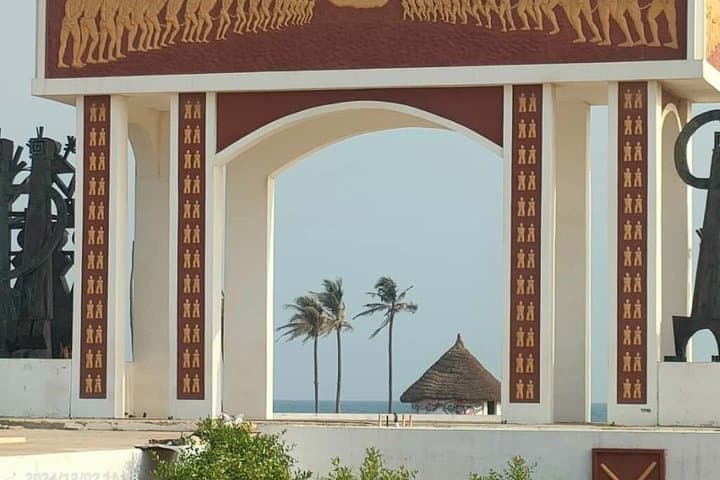
Winter is dry and cooler, making it a great time for visiting coastal areas and enjoying the beaches.