Browse trough thousands of destinations curated for every type of traveler
Millions of travellers used TravelPal to plan their trips
Highly Rated
United States
The United States, spanning from the Atlantic to the Pacific, is a land of contrasts and opportunities. Known for its significant cultural and economic impact worldwide, it boasts a rich tapestry of experiences. From the skyscrapers of New York City to the serene beauty of the Grand Canyon, the U.S. offers something for every traveler. Its cities are hubs of culture, innovation, and entertainment, while its national parks preserve some of the world's most stunning natural wonders. With a history rooted in immigration and diversity, the U.S. is a melting pot of cultures, reflected in its varied cuisine and vibrant communities.
Highly Rated
Las Vegas, US
Las Vegas, often referred to as Vegas, is a major resort city known for its vibrant entertainment scene, luxurious hotels, and bustling nightlife. Located in the state of Nevada, it is a top destination for both leisure and business travelers, offering a unique blend of gambling, shopping, and fine dining experiences. The city is home to the famous Las Vegas Strip, where most of the iconic casinos and hotels are located. Las Vegas also serves as a cultural and financial hub in Nevada, hosting numerous business conventions and events throughout the year. With its reputation as the Entertainment Capital of the World, Las Vegas continues to attract millions of visitors from around the globe, making it one of the most visited cities in the United States.
Highly Rated
New York City, US
New York City, often abbreviated as NYC, stands as a symbol of cultural diversity and economic power. Located at the southern tip of New York State, it is composed of five boroughs—Manhattan, Brooklyn, Queens, the Bronx, and Staten Island—each offering its own unique character. As a global center for finance, culture, and entertainment, NYC is home to the United Nations headquarters and the world's two largest stock exchanges. The city's rich history, coupled with its modern-day significance, makes it a top destination for tourists and business travelers alike. With over 800 languages spoken, it is the most linguistically diverse city in the world, offering a dynamic and vibrant atmosphere for all who visit.
Highly Rated
France
France, a country in Western Europe, is celebrated for its historical and cultural significance. From the romantic streets of Paris to the sun-kissed vineyards of Bordeaux, France offers a diverse range of experiences. Visitors can explore its rich history, indulge in world-class cuisine, and admire its architectural marvels. The country is home to numerous UNESCO World Heritage Sites and hosts a variety of cultural festivals. Whether you're an art lover, history buff, or culinary enthusiast, France has something to offer.
Highly Rated
Italy
Italy, officially the Italian Republic, is a captivating country in Southern and Western Europe known for its rich cultural heritage and historical significance. It boasts a diverse landscape, from the majestic Alps in the north to the sun-kissed beaches of the Mediterranean. Italy is home to the most World Heritage Sites globally, reflecting its profound historical and cultural legacy. Visitors can explore ancient Roman ruins, Renaissance art in Florence, and the romantic canals of Venice. The country is also celebrated for its culinary delights, offering some of the world's finest wines and traditional Italian dishes. Whether you're a history buff, an art lover, or a foodie, Italy promises an unforgettable experience.
Highly Rated
Spain
Spain, officially the Kingdom of Spain, is a country in Southern and Western Europe with territories in North Africa. Known for its rich cultural heritage and diverse landscapes, it spans the Iberian Peninsula and includes the Canary and Balearic Islands. Spain's history is marked by Roman, Visigothic, and Islamic influences, culminating in the Reconquista and the establishment of a global empire during the Age of Discovery. Today, Spain is a cultural superpower with vibrant cities like Madrid and Barcelona, famous for their art, architecture, and cuisine. As the world's second-most visited country, it offers a wealth of experiences from historical sites to modern attractions.
Highly Rated
Japan
Japan, located in East Asia, is an island country known for its rich history, technological advancements, and vibrant culture. The nation consists of four main islands and thousands of smaller ones, offering diverse landscapes from mountainous terrains to bustling urban centers. Visitors can explore historical sites, indulge in world-renowned cuisine, and experience the unique blend of traditional and modern culture. Japan's capital, Tokyo, is a hub of innovation and pop culture, while cities like Kyoto offer a glimpse into the country's historical past. With high life expectancy and a strong economy, Japan remains a global leader in various fields.
Highly Rated
Tōkyō
Tokyo, the capital city of Japan, is a vibrant metropolis that seamlessly blends traditional culture with modern innovation. Known for its bustling neighborhoods like Shibuya and Shinjuku, Tokyo offers a diverse range of experiences from historic temples and shrines to cutting-edge technology and fashion. Visitors can explore world-class shopping districts, indulge in exquisite Japanese cuisine, and enjoy a lively nightlife scene. Tokyo's efficient public transportation system makes it easy to navigate this sprawling city, ensuring that every corner is accessible for exploration.
Highly Rated
Kyoto, JP
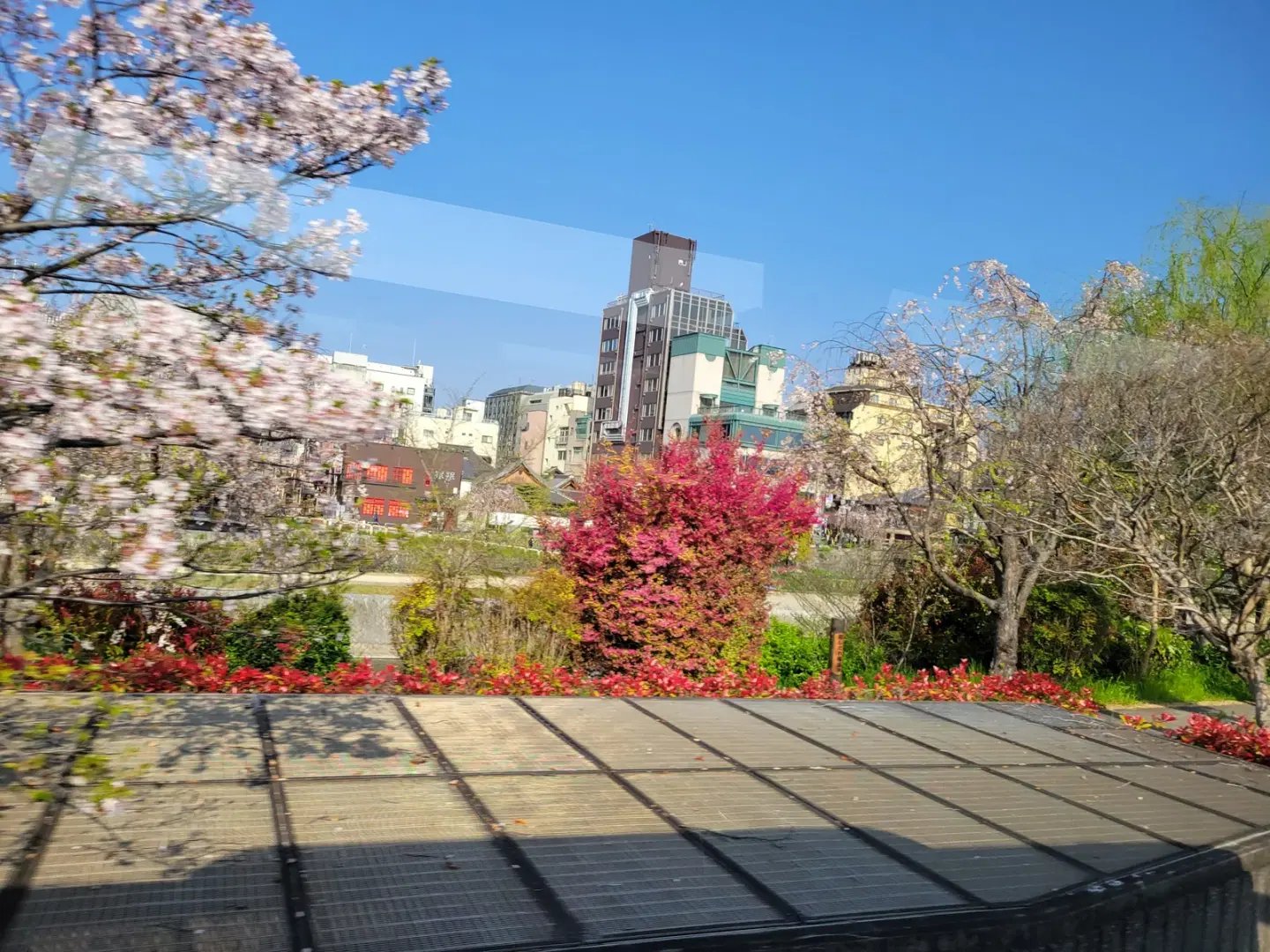
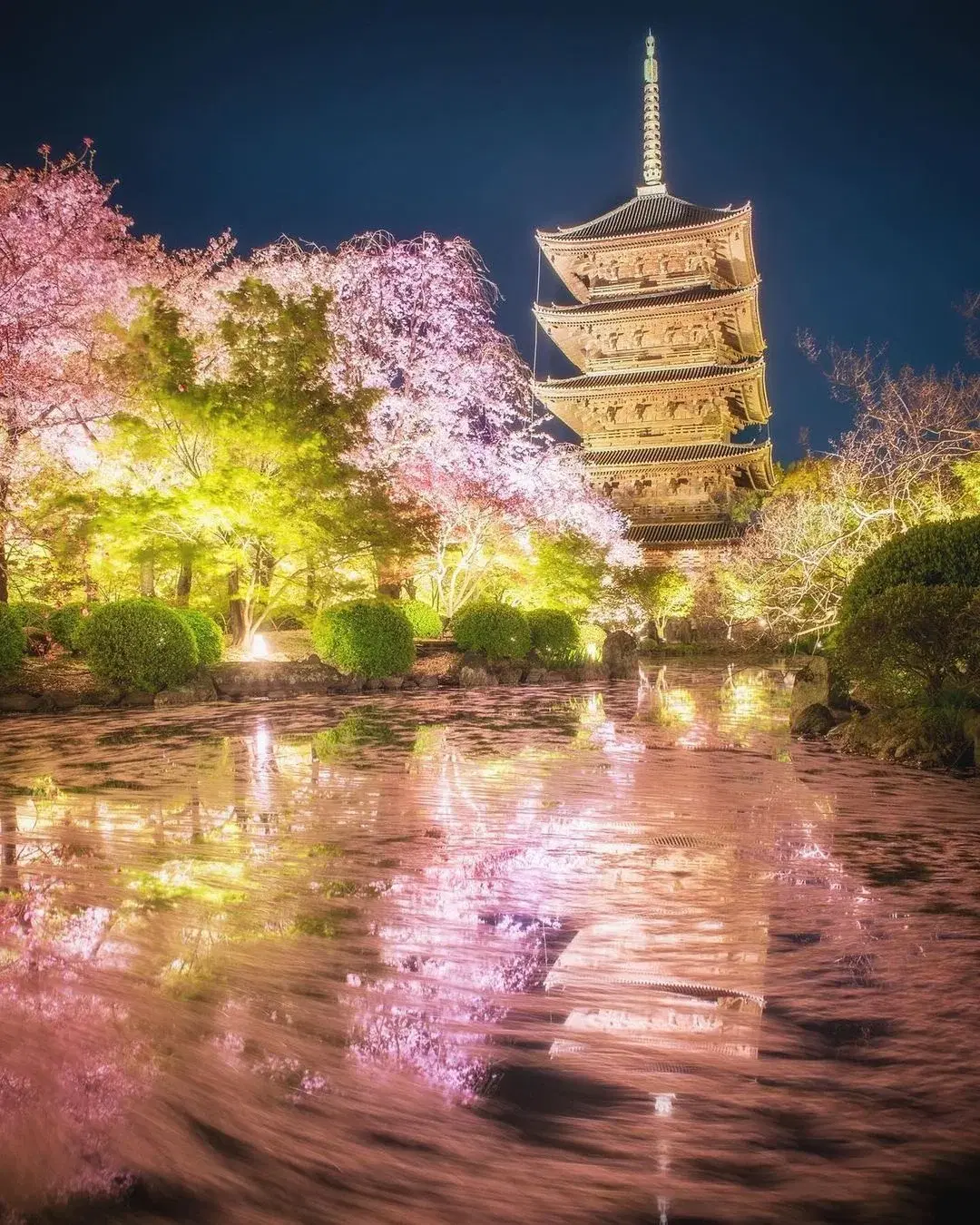
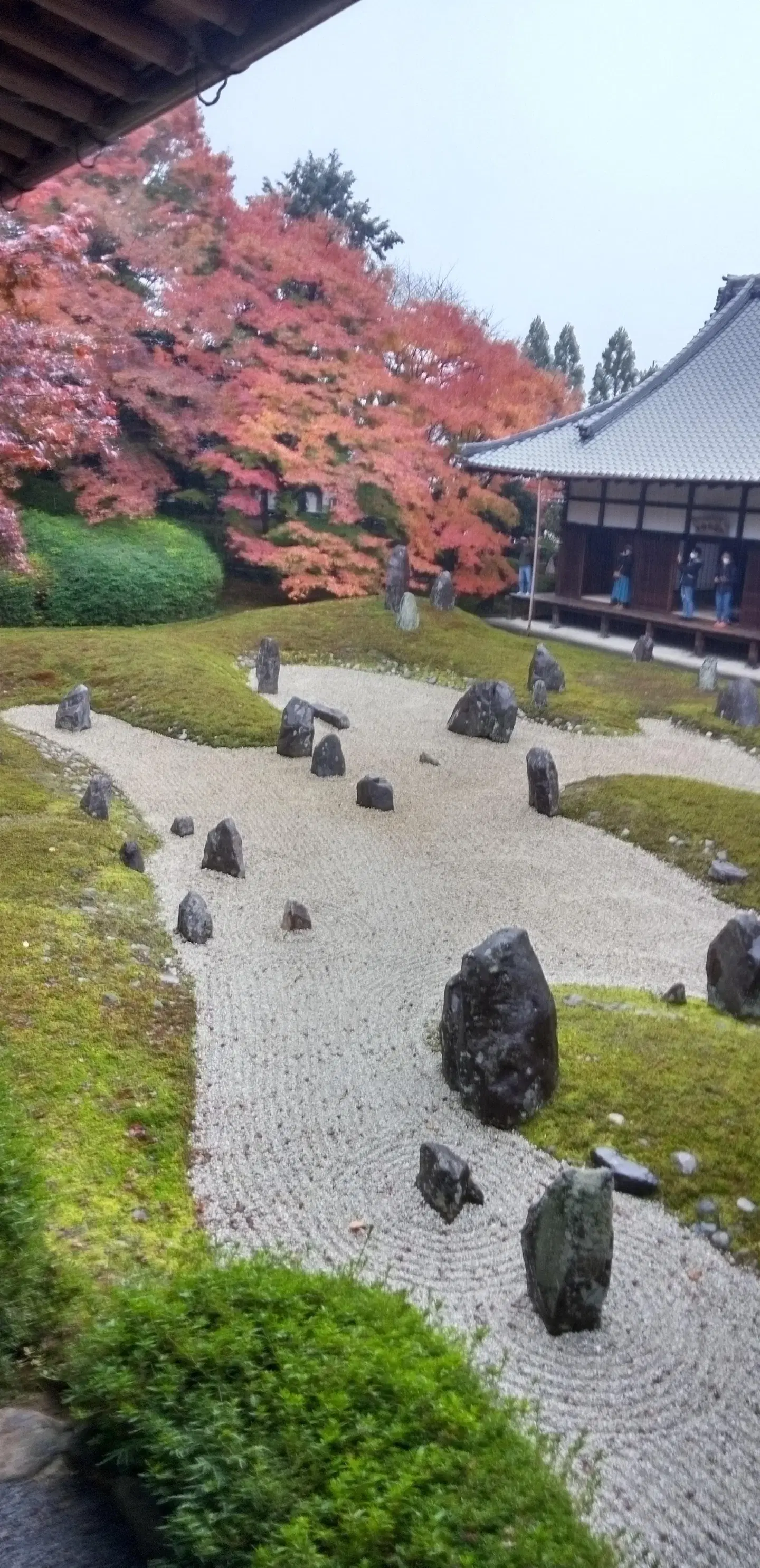
Kyoto, located in the Kansai region of Japan, is a city steeped in history and culture. As the former imperial capital, it is home to a wealth of historical landmarks, including UNESCO World Heritage Sites such as Kiyomizu-dera and Kinkaku-ji. Visitors can explore its numerous temples, shrines, and traditional wooden houses, which provide a glimpse into Japan's rich past. Kyoto is also a hub for cultural events and festivals, offering a vibrant experience for those interested in Japanese culture. The city's serene atmosphere and well-preserved heritage make it a must-visit destination for travelers.
Highly Rated
Ōsaka
Ōsaka is a dynamic city in Japan, offering a blend of modernity and tradition. Known for its impressive skyline, the city features a mix of contemporary skyscrapers and historical sites. Visitors can explore cultural landmarks such as the Ōsaka Castle and various museums that highlight the region's rich heritage. The city is also famous for its vibrant food scene, offering local delicacies like takoyaki and okonomiyaki. As a major transportation hub, Ōsaka provides easy access to other parts of Japan, making it a convenient base for travelers. Whether you're interested in shopping, dining, or exploring cultural sites, Ōsaka has something to offer everyone.
Highly Rated
Thailand
Thailand, officially the Kingdom of Thailand, is a country in Southeast Asia known for its vibrant culture, stunning landscapes, and rich history. From the bustling streets of Bangkok to the tranquil beaches of Phuket and the cultural richness of Chiang Mai, Thailand offers a diverse range of experiences. The country is famous for its delicious cuisine, vibrant street markets, and warm hospitality. Visitors can explore ancient temples, enjoy the lively nightlife, or relax on pristine beaches. With a mix of modernity and tradition, Thailand is a destination that caters to all types of travelers.
Highly Rated
Singapore
Singapore is a unique island nation that offers a striking contrast between its colonial past and a high-tech future. Known as the 'Garden City,' it features impressive green spaces like the UNESCO-listed Botanic Gardens alongside the iconic Supertree Grove. The culinary landscape is a major highlight, ranging from humble Michelin-starred hawker stalls to sophisticated rooftop bars with panoramic skyline views. Visitors can explore the colorful streets of its ethnic enclaves or indulge in retail therapy at massive luxury malls. With its incredibly efficient public transport and safe, clean environment, Singapore is a top-tier destination for travelers seeking both comfort and adventure.
Highly Rated
Bangkok, TH
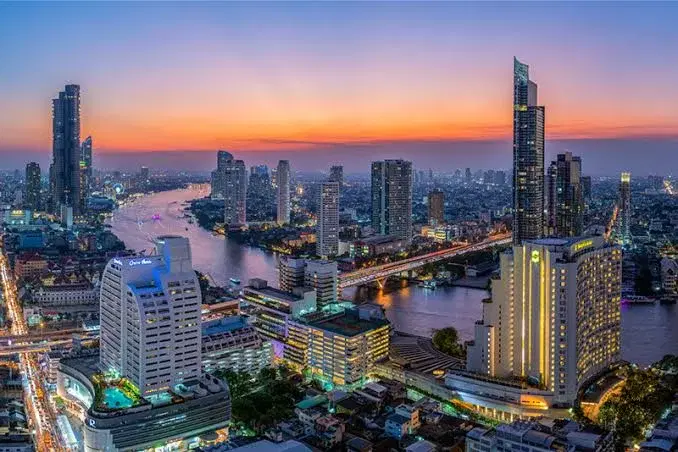
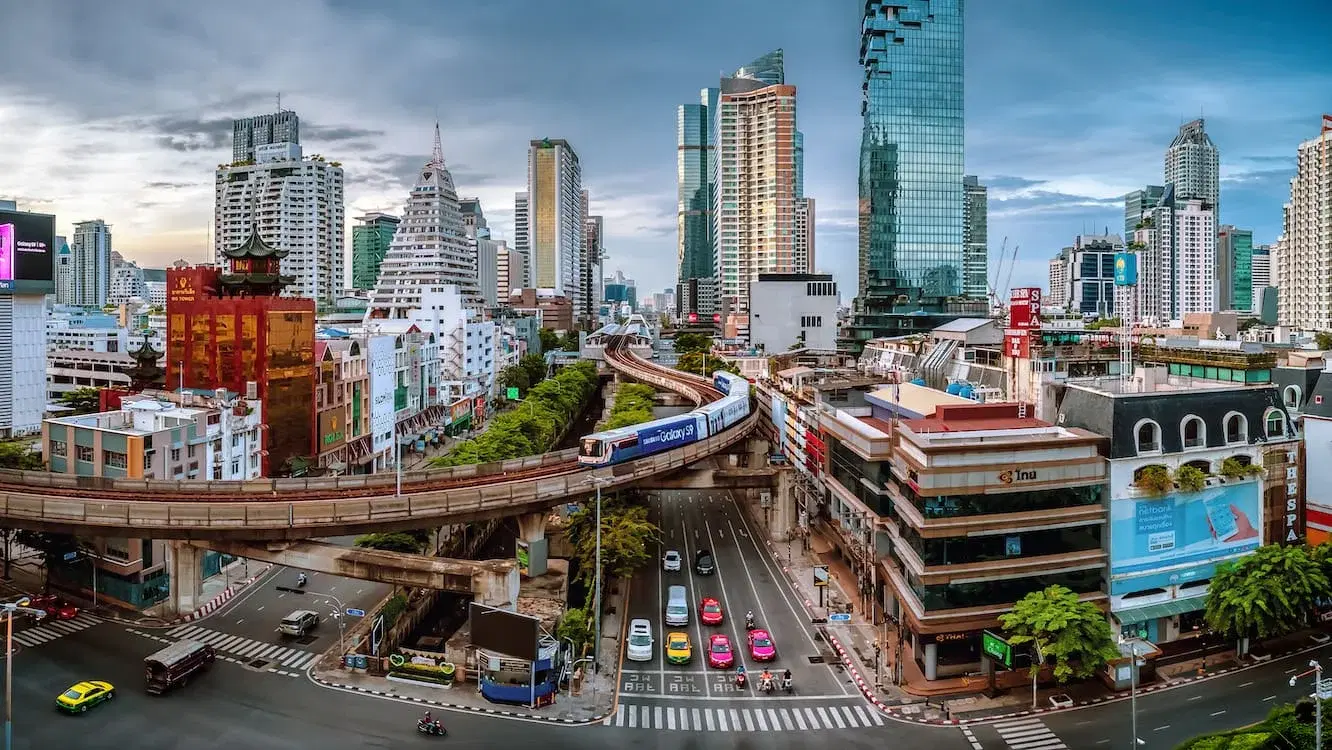
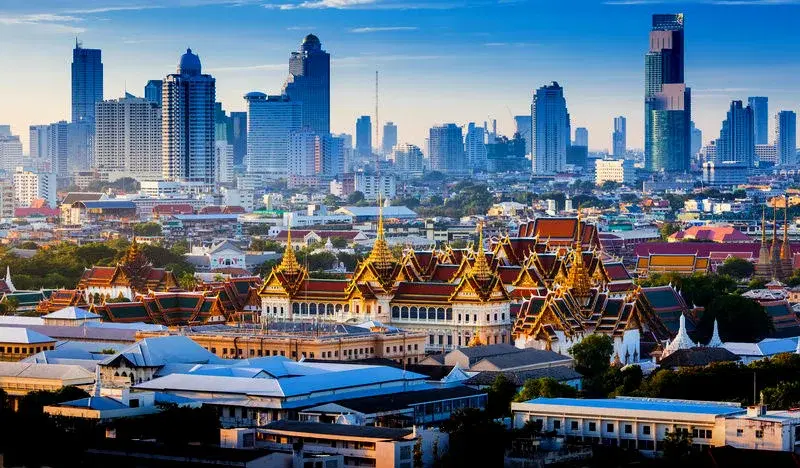
Bangkok, officially known as Krung Thep Maha Nakhon, is the vibrant capital of Thailand. It is a city of contrasts, where ancient temples like Wat Pho and the Grand Palace stand alongside modern skyscrapers and bustling street markets. Known for its dynamic street life, Bangkok is a hub for fashion, entertainment, and pop culture. The city also plays a significant role in finance and business in Southeast Asia. Visitors can explore its rich cultural heritage, indulge in its renowned street food, and experience its vibrant nightlife, particularly in areas like Khaosan Road. Despite its rapid growth and urban challenges, Bangkok remains a top tourist destination, offering a unique blend of history and modernity.
Highly Rated
Bali
Bali, an enchanting island in Indonesia, is celebrated for its breathtaking beaches, lush landscapes, and vibrant cultural scene. As a major tourist hub, it offers a diverse range of experiences from surfing on world-class waves to exploring ancient temples and enjoying traditional Balinese arts. The island's unique blend of natural beauty and cultural richness makes it a perfect destination for both relaxation and adventure. Visitors can indulge in the local cuisine, participate in spiritual retreats, or simply unwind on the golden sands. With its warm hospitality and exotic charm, Bali continues to captivate travelers from around the globe.
Highly Rated
Australia
Australia, officially the Commonwealth of Australia, is a vast country with a rich tapestry of landscapes, from arid deserts and tropical rainforests to bustling urban centers like Sydney and Melbourne. It is home to unique wildlife, including kangaroos and koalas, and has a rich Aboriginal cultural heritage. As a constitutional monarchy and a federation, Australia boasts a highly developed economy and is known for its quality of life. Visitors can explore its diverse natural beauty, learn about its history, and enjoy its vibrant modern culture.
Highly Rated
United Arab Emirates
The United Arab Emirates, situated at the eastern end of the Arabian Peninsula, is a federation of seven emirates with Abu Dhabi as its capital. Known for its opulence and modernity, the UAE is home to iconic cities like Dubai, where futuristic skyscrapers meet traditional souks. The country boasts a diverse expatriate population, contributing to its rich cultural tapestry. Visitors can enjoy world-class shopping, dining, and entertainment, alongside exploring the stunning desert landscapes and pristine beaches. The UAE's economy is highly diversified, focusing on tourism, finance, and commerce, making it a global business hub.
Highly Rated
Brazil
Brazil, officially the Federative Republic of Brazil, is the largest country in South America and a vibrant hub of culture and nature. With its diverse landscapes ranging from the Amazon Rainforest to stunning beaches, Brazil offers a unique blend of natural beauty and urban excitement. The country's rich cultural heritage is celebrated through its famous festivals like Carnival, and its cities, such as São Paulo and Rio de Janeiro, are known for their lively atmospheres and vibrant nightlife. As the only Portuguese-speaking country in the Americas, Brazil provides a distinct cultural experience, making it a must-visit destination for travelers seeking adventure, relaxation, and cultural immersion.