Local Cuisine
Sample traditional Burundian dishes like isombe and brochettes, often found in local eateries.
Burundi is a landlocked country in East Africa, known for its rich cultural tapestry woven by the Hutu, Tutsi, and Twa peoples. Despite its small size, Burundi boasts a significant historical narrative, having transitioned from a kingdom to a colonial territory, and eventually to an independent republic. The country is predominantly rural, with most of its land dedicated to subsistence agriculture. Visitors can explore its scenic landscapes, including the shores of Lake Tanganyika, while gaining insights into the region's complex political history. However, challenges such as poverty and political instability persist, influencing the country's development trajectory.
Burundi is a landlocked country in East Africa, known for its rich cultural tapestry woven by the Hutu, Tutsi, and Twa peoples. Despite its small size, Burundi boasts a significant historical narrative, having transitioned from a kingdom to a colonial territory, and eventually to an independent republic. The country is predominantly rural, with most of its land dedicated to subsistence agriculture. Visitors can explore its scenic landscapes, including the shores of Lake Tanganyika, while gaining insights into the region's complex political history. However, challenges such as poverty and political instability persist, influencing the country's development trajectory.
Located in the Great Rift Valley.
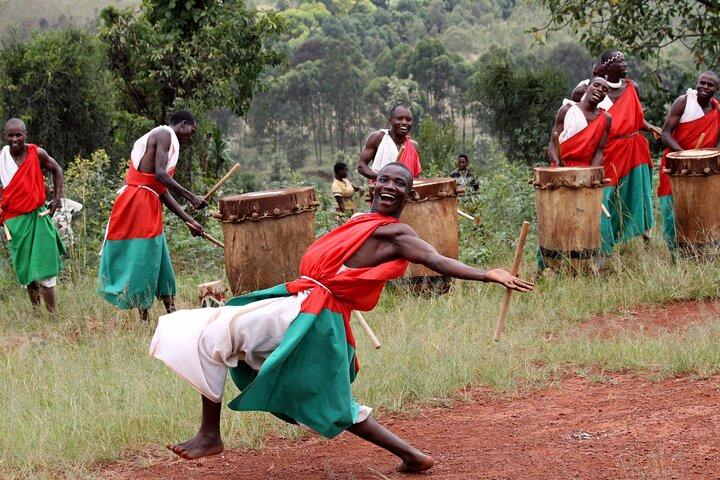
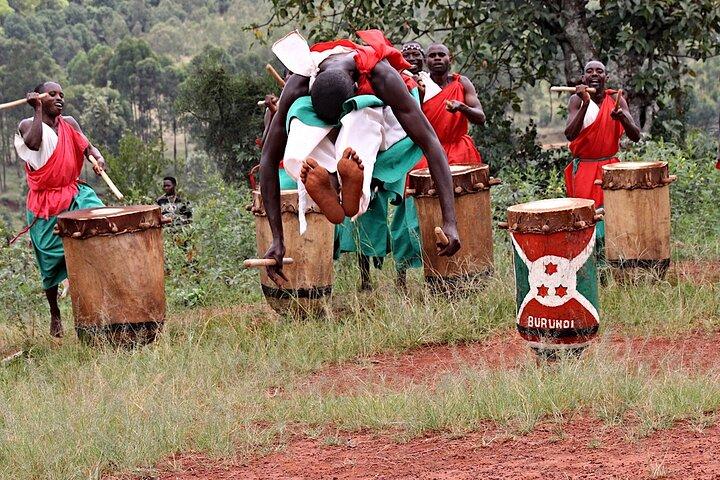
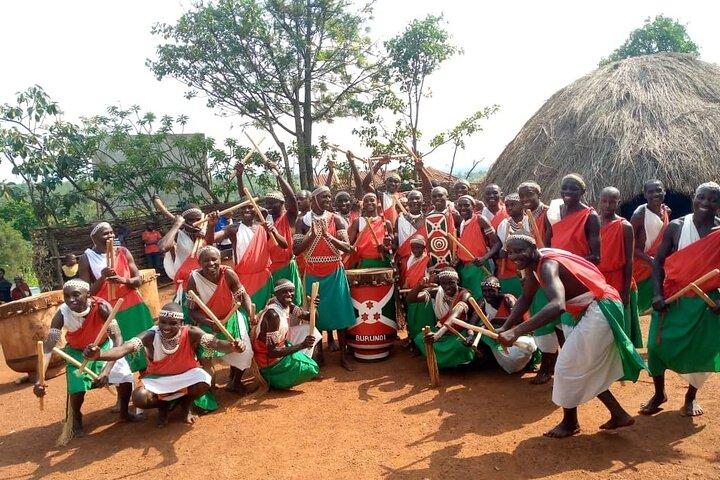
Rich cultural history with Hutu, Tutsi, and Twa peoples.
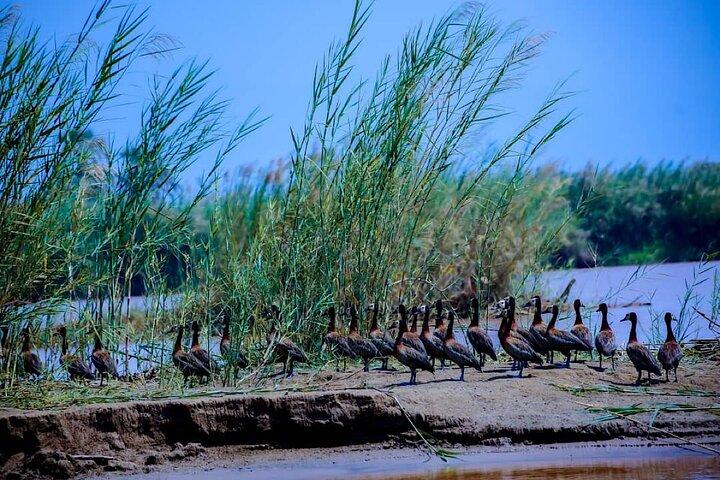
Scenic landscapes with Lake Tanganyika.
Political and historical significance in East Africa.
Rich cultural heritage with diverse ethnic groups.
Predominantly rural with subsistence agriculture.
Political and economic challenges affecting daily life.
Sample traditional Burundian dishes like isombe and brochettes, often found in local eateries.
Respect local customs and traditions, especially in rural areas.
Cultural exploration and understanding East African history.
BIF ₣
$30-$50 p/day
Kirundi, French, English
Stay informed about the current political situation and travel advisories.
June-AugustDecember-February
The weather is mild and pleasant, making it a good time for exploring the countryside.
Expect warmer temperatures; ideal for visiting Lake Tanganyika.
A quieter season with fewer tourists, suitable for cultural exploration.
Cooler temperatures prevail, offering a comfortable climate for travel.