Getting Around
Lalibela is best explored on foot to fully appreciate the historic sites.
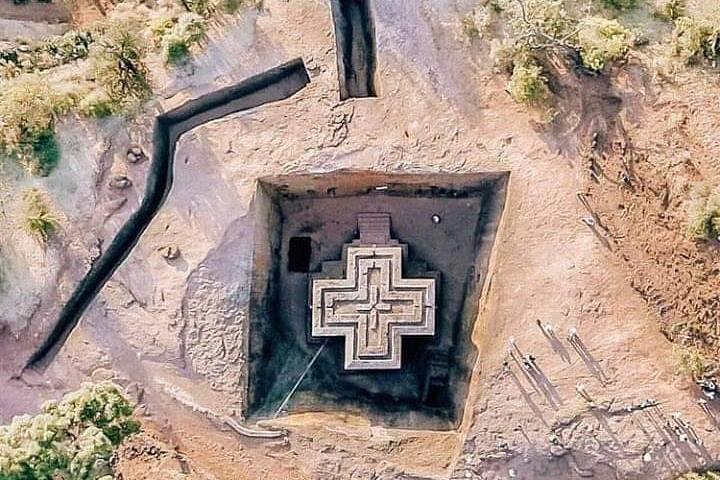
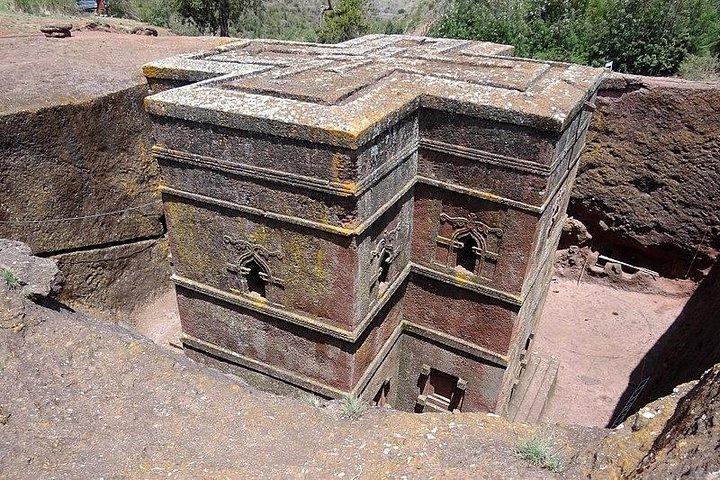
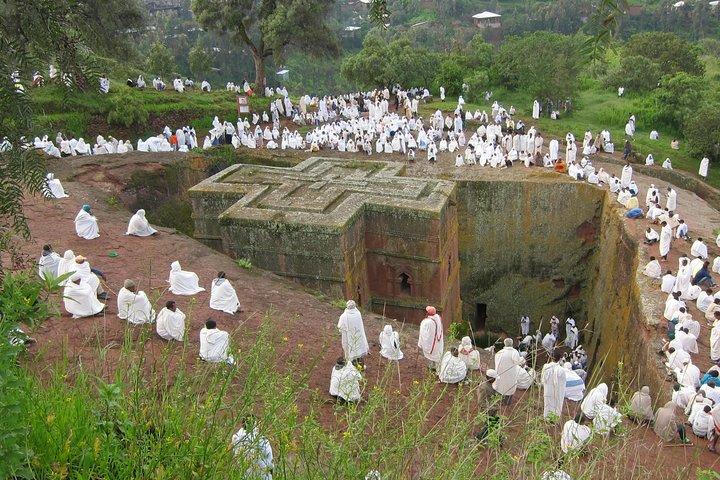
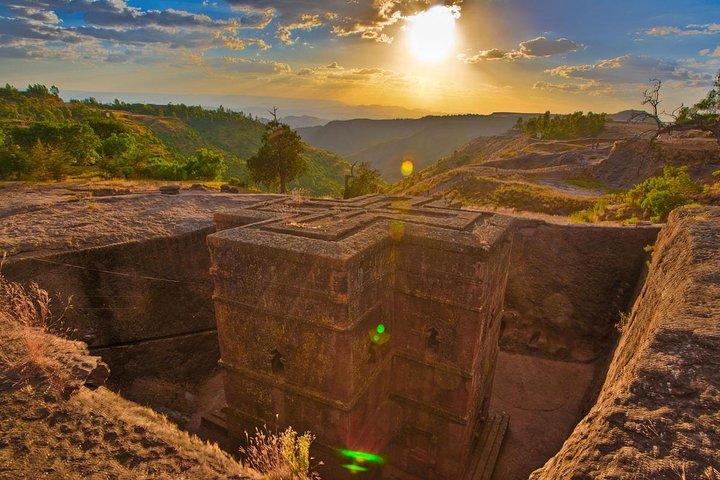
Lalibela, situated in the Amhara region of Ethiopia, is a town steeped in history and religious significance. Known for its remarkable rock-cut monolithic churches, Lalibela is a central pilgrimage site for Ethiopian Christians. These churches, dating from the 7th to 13th centuries, are a testament to Ethiopia's early adoption of Christianity. The town's layout is said to symbolically represent Jerusalem, adding to its spiritual allure. At an elevation of 2,500 meters, Lalibela offers a serene and contemplative atmosphere, making it a unique destination for both pilgrims and history enthusiasts.
Lalibela, situated in the Amhara region of Ethiopia, is a town steeped in history and religious significance. Known for its remarkable rock-cut monolithic churches, Lalibela is a central pilgrimage site for Ethiopian Christians. These churches, dating from the 7th to 13th centuries, are a testament to Ethiopia's early adoption of Christianity. The town's layout is said to symbolically represent Jerusalem, adding to its spiritual allure. At an elevation of 2,500 meters, Lalibela offers a serene and contemplative atmosphere, making it a unique destination for both pilgrims and history enthusiasts.
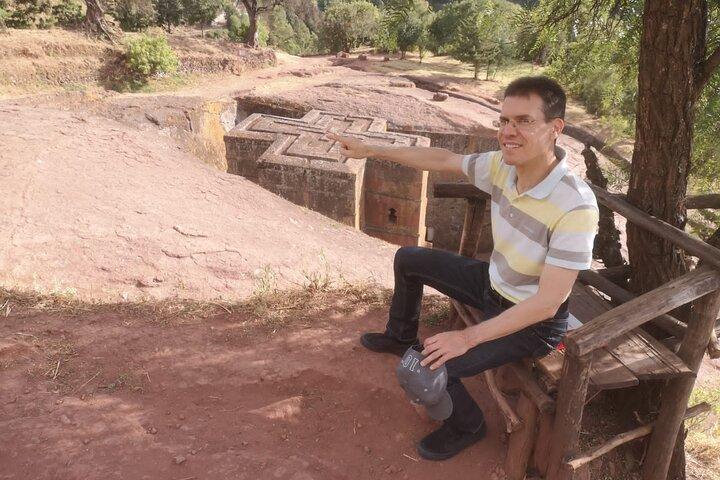
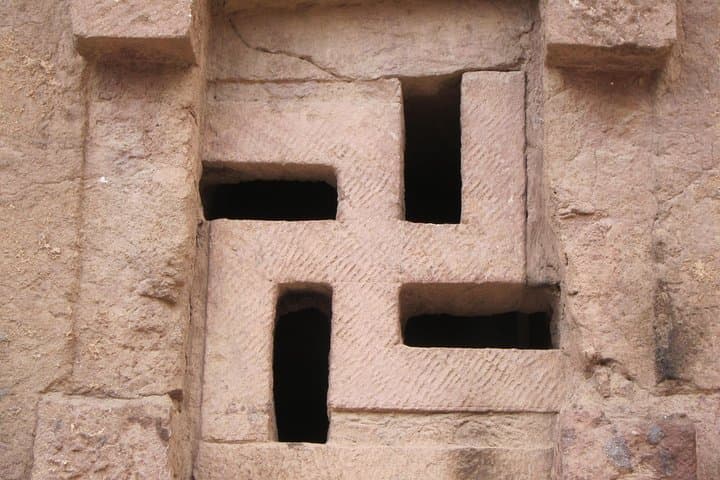
Home to famous rock-cut monolithic churches.
Recognized as a UNESCO World Heritage Site.
Considered one of Ethiopia's holiest cities.
Symbolically represents Jerusalem.
Located at a high altitude of 2,500 meters.
Close access to rock-hewn churches, ideal for history enthusiasts.
Rich cultural heritage with significant religious sites.
High altitude location, which may affect some visitors.
Lalibela is best explored on foot to fully appreciate the historic sites.
Try traditional Ethiopian dishes available in local eateries.
History buffs and religious pilgrims.
ETB Br
$50-$100 p/day
Amharic, English
Respect local customs, especially when visiting religious sites.
Be prepared for high altitude conditions; acclimatization may be necessary.
Cultural Tourism, Pilgrimage, History
September-NovemberFebruary-April
Spring offers mild weather, ideal for exploring the churches.
Expect warmer temperatures; stay hydrated while touring.
Pleasant weather makes it a great time for sightseeing.
Cooler temperatures provide a comfortable climate for visits.