Local Transport
Shared taxis and motorbikes are the primary way to move between Kanoroba and nearby villages.
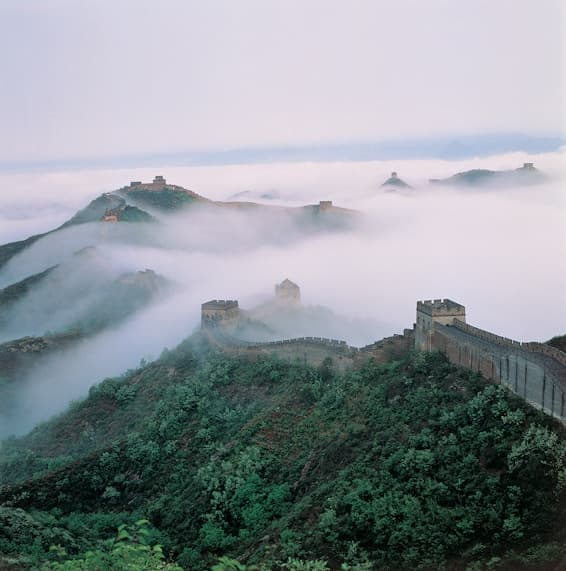
Kanoroba, also known as Kannorhoba or Kanoho, is a small city situated in the Savanes District of northern Ivory Coast. With a population of around 8,700, it provides a peaceful and authentic atmosphere far from the bustling coastal cities. The town is a representative example of life in the northern Savanes, characterized by its unique climate and traditional landscapes. Visitors to Kanoroba can expect a warm welcome and a chance to see the everyday rhythms of a rural Ivorian community. It serves as a practical base for those exploring the wider Savanes region and its cultural heritage.
Kanoroba, also known as Kannorhoba or Kanoho, is a small city situated in the Savanes District of northern Ivory Coast. With a population of around 8,700, it provides a peaceful and authentic atmosphere far from the bustling coastal cities. The town is a representative example of life in the northern Savanes, characterized by its unique climate and traditional landscapes. Visitors to Kanoroba can expect a warm welcome and a chance to see the everyday rhythms of a rural Ivorian community. It serves as a practical base for those exploring the wider Savanes region and its cultural heritage.
Located in the scenic Savanes District.
Home to approximately 8,700 residents.
Authentic northern Ivorian atmosphere.
Gateway to exploring the rural Savanes region.
Limited formal tourist infrastructure; check for local guesthouses in advance.
The northern climate is significantly drier and dustier than the southern coast.
Infrastructure is basic, so carry essential supplies and cash.
Shared taxis and motorbikes are the primary way to move between Kanoroba and nearby villages.
While French is the official language, learning a few words in Senufo or Dioula is highly appreciated by locals.
Experiencing authentic rural life in northern Ivory Coast.
XOF CFA
$30-$60 p/day
French, Senufo, Dioula
Mobile network coverage is generally available, but data speeds may be slower than in major cities.
November-February
Temperatures rise significantly; stay hydrated and plan outdoor activities for early morning.
The rainy season brings humidity and greener landscapes, though some rural roads may become difficult.
The end of the rains leaves the region lush, making it a beautiful time for photography.
The dry season is the most comfortable for travel, though the Harmattan winds can bring hazy skies.