Local Customs
Respect local traditions and seek permission before taking photos of residents or private property.
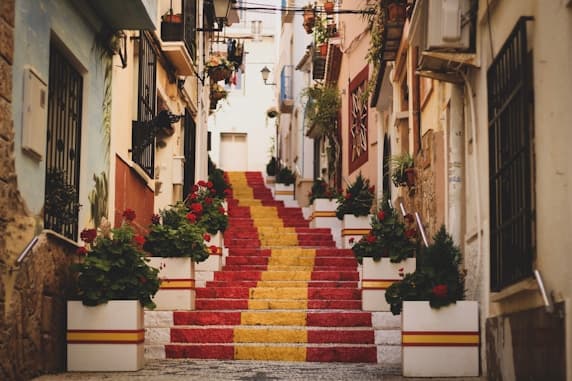
Néguépié is a small community situated in the Savanes District of northern Ivory Coast. With a population of approximately 5,116 residents, it serves as a quiet hub for the surrounding agricultural landscape. Visitors to this region can experience the traditional lifestyle and warm hospitality characteristic of the northern Savanes area. While it lacks major tourist infrastructure, its position in the north makes it a point of interest for those exploring the cultural heritage and geography of the Ivory Coast hinterland.
Néguépié is a small community situated in the Savanes District of northern Ivory Coast. With a population of approximately 5,116 residents, it serves as a quiet hub for the surrounding agricultural landscape. Visitors to this region can experience the traditional lifestyle and warm hospitality characteristic of the northern Savanes area. While it lacks major tourist infrastructure, its position in the north makes it a point of interest for those exploring the cultural heritage and geography of the Ivory Coast hinterland.
Authentic rural atmosphere in the heart of the Savanes District.
Small-scale community feel with a population of around 5,000.
Surrounded by the characteristic agricultural landscapes of northern Ivory Coast.
Limited tourist infrastructure and formal accommodation options.
Primarily a residential and agricultural community with few commercial amenities.
Remote location requires careful travel planning and local knowledge.
Respect local traditions and seek permission before taking photos of residents or private property.
The northern region can be very hot and dry; ensure you carry plenty of water and sun protection.
Travelers interested in authentic rural life in West Africa.
XOF ₣
$30-$60 p/day
French, Senufo, Dioula
Public transport to smaller settlements like Néguépié is limited; consider arranging a private vehicle from Korhogo.
November to February
Temperatures are high and the air is dry; travel early in the morning to avoid the peak heat.
The rainy season begins, which can make unpaved roads in the Savanes District difficult to navigate.
The landscape is lush following the rains, though humidity remains higher than in the winter months.
The Harmattan wind brings cooler nights and dusty days; this is generally the driest time to visit.