Getting Around
Public transportation is limited, so consider renting a car for convenience.
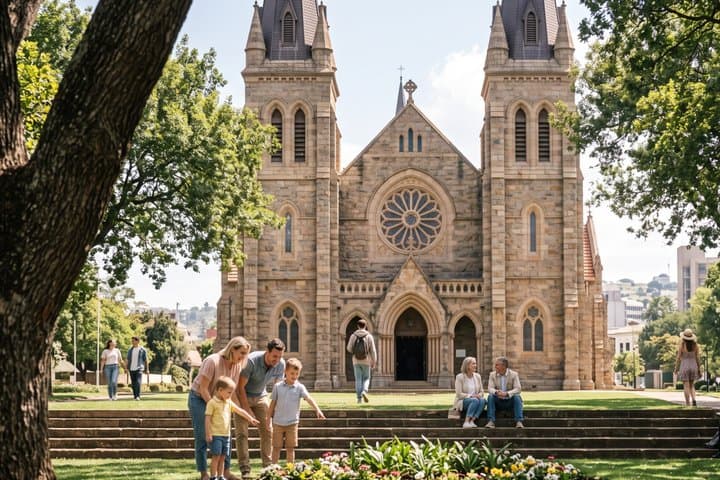
Maseru, the bustling capital of Lesotho, is a city rich in history and culture. Established as a police camp in 1869, it became the capital when the country was a British protectorate. Today, Maseru is a vibrant city that offers a unique blend of urban life and traditional experiences. Located on the Caledon River, it serves as a gateway to exploring the natural beauty and cultural heritage of Lesotho. The city's name, meaning 'red sandstones' in Sesotho, reflects its picturesque surroundings. Visitors can enjoy exploring local markets, historical sites, and the dynamic cityscape that bridges Lesotho and South Africa.
Maseru, the bustling capital of Lesotho, is a city rich in history and culture. Established as a police camp in 1869, it became the capital when the country was a British protectorate. Today, Maseru is a vibrant city that offers a unique blend of urban life and traditional experiences. Located on the Caledon River, it serves as a gateway to exploring the natural beauty and cultural heritage of Lesotho. The city's name, meaning 'red sandstones' in Sesotho, reflects its picturesque surroundings. Visitors can enjoy exploring local markets, historical sites, and the dynamic cityscape that bridges Lesotho and South Africa.
Capital city of Lesotho.
Located on the Lesotho–South Africa border.
Rich in history and culture.
Named after the Sesotho word for 'red sandstones'.
Established as a police camp in 1869.
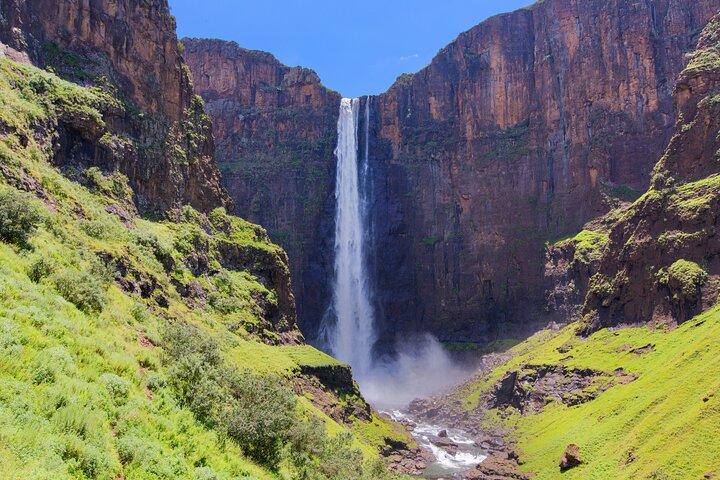
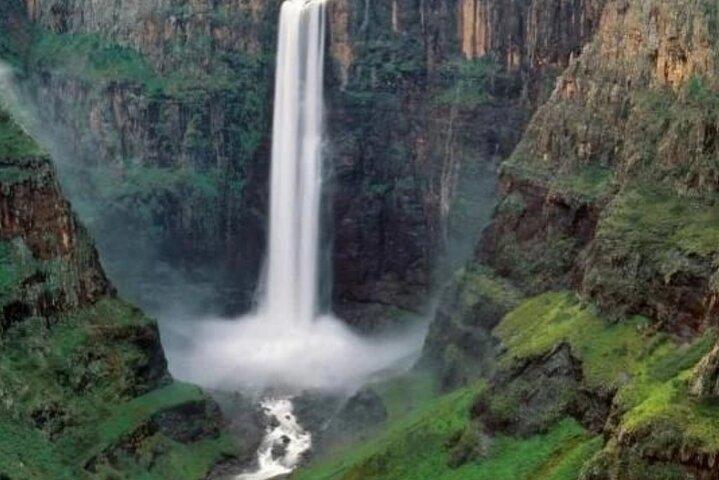
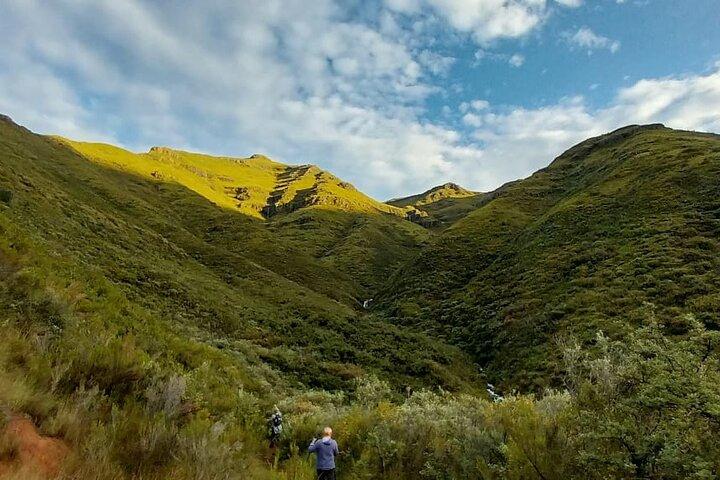
Close access to the Lesotho Highlands, ideal for hiking and outdoor activities.
Rich cultural heritage with local markets and traditional crafts.
Proximity to South Africa makes it a convenient entry point for cross-border travel.
Public transportation is limited, so consider renting a car for convenience.
Try traditional dishes like papa and moroho at local eateries.
Exploring Lesotho's cultural and historical roots.
LSL L
$50-$100 p/day
Sesotho, English
Be cautious in crowded areas and avoid walking alone at night.
Respect local customs and dress modestly when visiting rural areas.
April-JuneSeptember-November
Spring is mild and pleasant, perfect for exploring the city and nearby attractions.
Summers can be hot, but it's a great time for outdoor festivals and events.
Fall offers cooler temperatures and fewer tourists, ideal for sightseeing.
Winters are chilly, so pack warm clothing if visiting during this season.