Local Transport
The primary way to reach Sambaina is via taxi-brousse, which connects the town to larger hubs like Antananarivo.
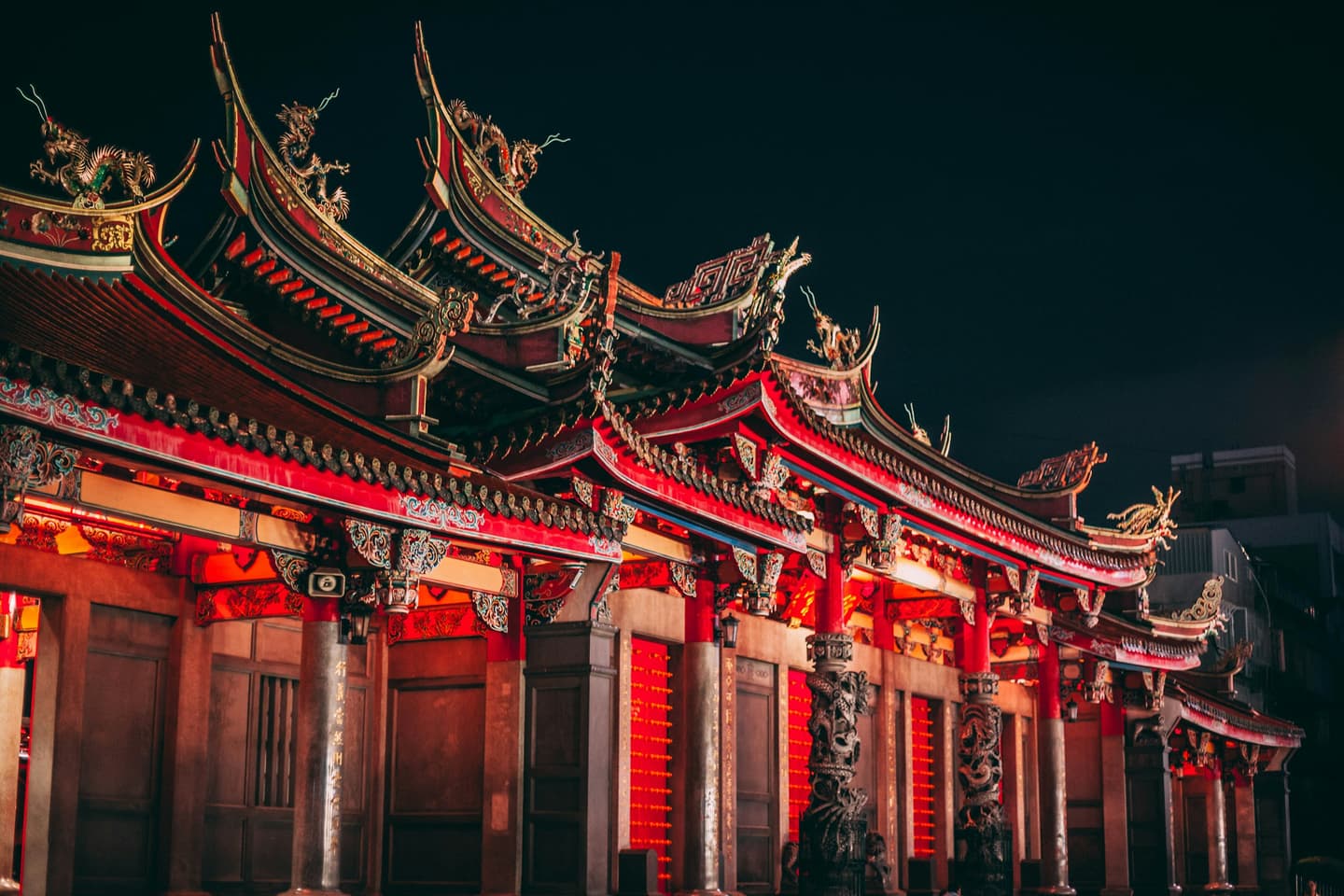
Sambaina is a small town situated in the Analamanga region of Madagascar, where approximately 7,000 residents call home. Located in the central highlands, the town is characterized by its rural setting and proximity to the capital region. Visitors can expect a quiet, authentic atmosphere typical of smaller Malagasy settlements. The surrounding landscape features the rolling hills and agricultural fields common to this part of the country. While it lacks major tourist infrastructure, its charm lies in its simplicity and the opportunity to see everyday life on the island.
Sambaina is a small town situated in the Analamanga region of Madagascar, where approximately 7,000 residents call home. Located in the central highlands, the town is characterized by its rural setting and proximity to the capital region. Visitors can expect a quiet, authentic atmosphere typical of smaller Malagasy settlements. The surrounding landscape features the rolling hills and agricultural fields common to this part of the country. While it lacks major tourist infrastructure, its charm lies in its simplicity and the opportunity to see everyday life on the island.
Located in the scenic Analamanga region.
Home to a small community of approximately 7,000 residents.
Authentic atmosphere away from major tourist hubs.
Limited tourist infrastructure and accommodation options.
Authentic experience of Malagasy highland culture.
Road conditions can be challenging during the rainy season.
The primary way to reach Sambaina is via taxi-brousse, which connects the town to larger hubs like Antananarivo.
Respect local 'fady' (taboos) and always ask for permission before photographing residents or sacred sites.
Experiencing rural Malagasy life in the central highlands.
MGA Ar
$20-$50 p/day
Malagasy, French
Cash is king in rural Madagascar; ensure you have enough Ariary before leaving major cities.
April-October
Spring brings warmer temperatures and the start of the rainy season, turning the highlands lush and green.
The summer months are the peak of the rainy season, which can make rural roads in the highlands difficult to navigate.
As the rains subside, the weather becomes drier and cooler, making it a pleasant time to visit the Analamanga region.
Winter is the dry season, offering clear skies and comfortable daytime temperatures, though nights in the highlands can be cold.