Local Cuisine
Try traditional Malian dishes such as Tô and Jollof rice, which reflect the country's rich culinary heritage.
Mali, officially the Republic of Mali, is a landlocked country in West Africa known for its historical significance and cultural diversity. The country was once home to powerful empires such as the Mali and Songhai, which controlled trans-Saharan trade. Today, Mali is a place where visitors can explore the remnants of these ancient civilizations, including the legendary city of Timbuktu. The landscape is equally diverse, ranging from the arid Sahara Desert in the north to the fertile lands along the Niger and Senegal rivers in the south. Mali's economy is primarily based on agriculture and mining, with gold being a significant export. Despite its challenges, including recent political instability, Mali remains a fascinating destination for those interested in history and culture.
Mali, officially the Republic of Mali, is a landlocked country in West Africa known for its historical significance and cultural diversity. The country was once home to powerful empires such as the Mali and Songhai, which controlled trans-Saharan trade. Today, Mali is a place where visitors can explore the remnants of these ancient civilizations, including the legendary city of Timbuktu. The landscape is equally diverse, ranging from the arid Sahara Desert in the north to the fertile lands along the Niger and Senegal rivers in the south. Mali's economy is primarily based on agriculture and mining, with gold being a significant export. Despite its challenges, including recent political instability, Mali remains a fascinating destination for those interested in history and culture.
Home to ancient empires like the Mali and Songhai.
Diverse landscapes from the Sahara Desert to the Niger River.
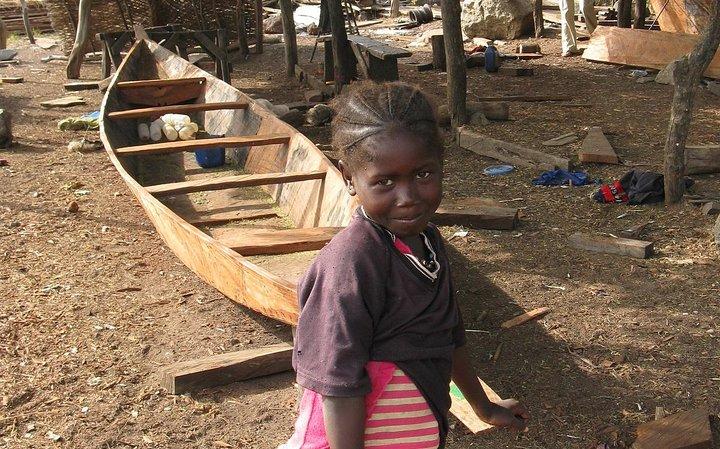
Rich cultural traditions and vibrant local communities.
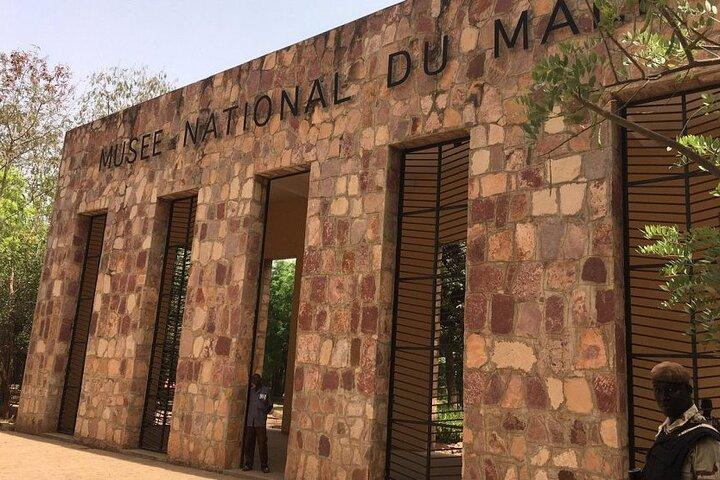
Rich cultural heritage with ancient empires and historical sites.
Diverse landscapes from desert to river valleys.
Economic reliance on agriculture and gold mining.
Try traditional Malian dishes such as Tô and Jollof rice, which reflect the country's rich culinary heritage.
Public transportation is limited; consider hiring a local guide or driver for convenience.
History enthusiasts and cultural explorers.
XOF CFA
$50-$100 p/day
French, Bambara, Arabic
Respect local customs and dress modestly, especially when visiting religious sites.
Stay informed about current travel advisories and avoid areas with ongoing conflicts.
Cultural Exploration, Historical Tour, Adventure
November-February
Spring in Mali offers mild weather, ideal for exploring historical sites and cultural landmarks.
Summers can be extremely hot, especially in the northern desert regions. Plan indoor activities during peak heat.
Fall is a great time to visit Mali as the weather cools down, making it pleasant for outdoor exploration.
Winters are mild and dry, perfect for visiting Mali's southern regions and enjoying cultural festivals.