Getting There
Travel to Keïta usually involves bush taxis or private 4x4 vehicles from the regional capital, Tahoua.
Keïta is a town situated in the heart of the Tahoua Region in Niger. As the administrative center of its namesake department, it plays a crucial role in the local governance and economy of the area. The town is home to a population of approximately 14,000 people and is characterized by the semi-arid beauty of the Sahel. While it lacks major tourist attractions, Keïta provides a unique opportunity to witness the daily rhythms of life in rural Niger, from its local markets to its traditional dwellings. It is a place for travelers who value authenticity and are interested in the socio-economic landscape of West Africa.
Keïta is a town situated in the heart of the Tahoua Region in Niger. As the administrative center of its namesake department, it plays a crucial role in the local governance and economy of the area. The town is home to a population of approximately 14,000 people and is characterized by the semi-arid beauty of the Sahel. While it lacks major tourist attractions, Keïta provides a unique opportunity to witness the daily rhythms of life in rural Niger, from its local markets to its traditional dwellings. It is a place for travelers who value authenticity and are interested in the socio-economic landscape of West Africa.
Capital of the Keïta Department.
Traditional Sahelian architecture and landscape.
Local administrative and trade center for the region.
Limited infrastructure for international tourists.
The climate is hot and dry for most of the year.
Basic accommodation options compared to larger cities like Niamey or Tahoua.
Travel to Keïta usually involves bush taxis or private 4x4 vehicles from the regional capital, Tahoua.
Ensure you have adequate water and sun protection, as the region experiences high temperatures and arid conditions.
Travelers seeking an authentic glimpse into rural Nigerien life.
XOF F CFA
$20-$50 p/day
French, Hausa
Always ask for permission before taking photos of people or government buildings.
November-February
Very hot and dry; outdoor activity is best limited to early mornings to avoid peak heat.
The rainy season occurs, which can occasionally impact road travel but brings greenery to the landscape.
The weather remains warm as the dry season resumes following the summer rains.
The most pleasant time for a visit, with cooler temperatures and clear skies.
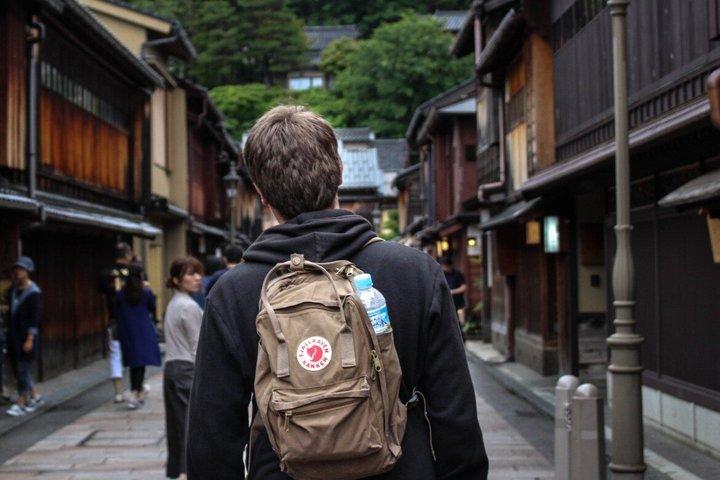
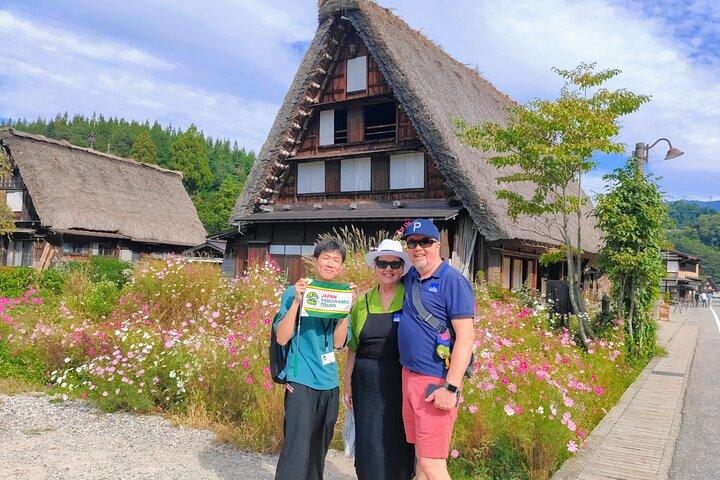
![[One-day bus tour departing from Kanazawa Station] Shirakawa-go and Gokayama - Two World Heritage Villages Enjoyable Bus Tour](/_next/image?url=https%3A%2F%2Fmedia-cdn.tripadvisor.com%2Fmedia%2Fattractions-splice-spp-720x480%2Fr%2F33%2Fc8%2F1b%2F91%2Fcaption.jpg&w=1440&q=75)
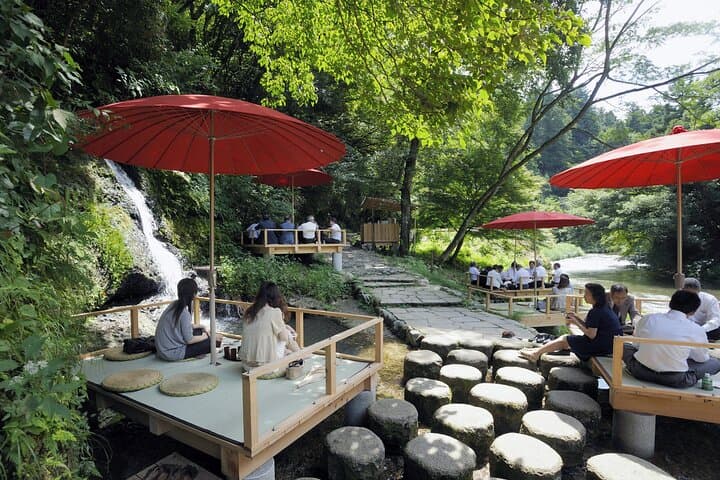
![[One-day bus tour departing from Kanazawa Station] Shirakawa-go/Takayama tour platinum route bus tour](/_next/image?url=https%3A%2F%2Fmedia-cdn.tripadvisor.com%2Fmedia%2Fattractions-splice-spp-720x480%2Fr%2F32%2Ff9%2Fae%2F5d%2Fcaption.jpg&w=1440&q=75)