Local Guides
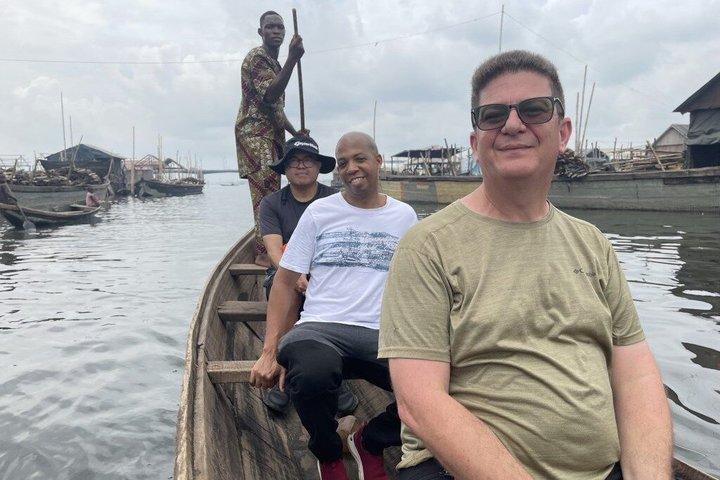
Engaging a local guide is essential for navigating the community respectfully and understanding its history.
Located on the coast of mainland Lagos, Makoko is a historic neighborhood often described as a floating city. Originally established as a fishing village in the 18th century, it has evolved into a sprawling community where homes, schools, and businesses are built on stilts above the Lagos Lagoon. Life here is inextricably linked to the water, with residents navigating the narrow aquatic alleys in hand-carved wooden canoes. While it faces challenges as an informal settlement, it remains a testament to human ingenuity and communal strength. Visitors can experience a side of Lagos that feels worlds away from the city's high-rise business districts.
Located on the coast of mainland Lagos, Makoko is a historic neighborhood often described as a floating city. Originally established as a fishing village in the 18th century, it has evolved into a sprawling community where homes, schools, and businesses are built on stilts above the Lagos Lagoon. Life here is inextricably linked to the water, with residents navigating the narrow aquatic alleys in hand-carved wooden canoes. While it faces challenges as an informal settlement, it remains a testament to human ingenuity and communal strength. Visitors can experience a side of Lagos that feels worlds away from the city's high-rise business districts.
Iconic wooden houses built on stilts over the water.
Daily life and commerce conducted entirely via wooden canoes.
A historic fishing community with a unique self-governed structure.
Panoramic views of the Lagos Lagoon and Third Mainland Bridge.
Unique architectural style using stilts and wood.
Significant role in the local fishing economy of Lagos.
Exposure to the elements and informal infrastructure.
Engaging a local guide is essential for navigating the community respectfully and understanding its history.
Always seek permission before photographing individuals or private residences to respect the community's privacy.
Cultural photography and witnessing unique water-based urban living.
NGN ₦
$50-$100 p/day
English, Yoruba
Be prepared for canoe travel; ensure you are comfortable with small boats as this is the only way to see the floating sections.
November-February
Hot and humid temperatures with the beginning of the rainy season in late spring.
The peak of the rainy season; expect heavy downpours and higher water levels in the lagoon.
Humidity remains high as the rains begin to taper off towards the end of the year.
The dry season offers the most stable weather for visiting, though the Harmattan winds can bring dust.