Getting Around
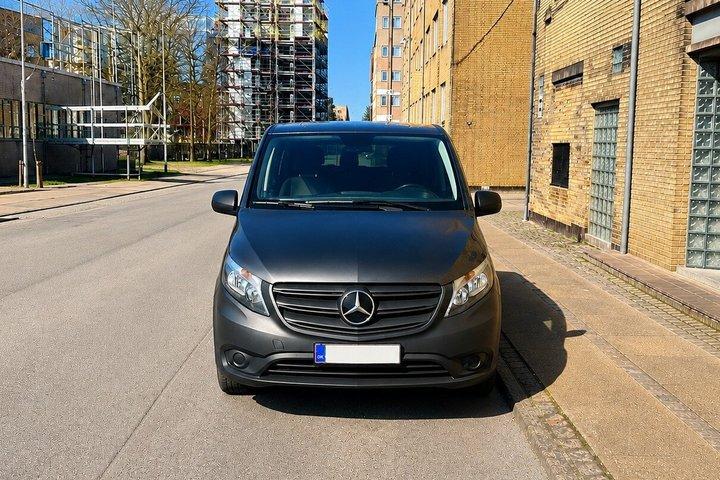
Public transportation in Freetown includes buses and shared taxis, which are affordable ways to navigate the city.
Freetown is the capital and largest city of Sierra Leone, situated on the Atlantic Ocean. It serves as a major port city and is the country's economic, financial, cultural, educational, and political center. Founded in 1792 as a settlement for freed African slaves, Freetown is steeped in history and is home to a diverse population representing all of Sierra Leone's ethnic groups. The city's economy is largely centered around its natural deep-water harbor, one of the largest in the world. Governed by the Freetown City Council, it is a lively metropolis with a unique blend of cultures and languages, primarily Krio.
Freetown is the capital and largest city of Sierra Leone, situated on the Atlantic Ocean. It serves as a major port city and is the country's economic, financial, cultural, educational, and political center. Founded in 1792 as a settlement for freed African slaves, Freetown is steeped in history and is home to a diverse population representing all of Sierra Leone's ethnic groups. The city's economy is largely centered around its natural deep-water harbor, one of the largest in the world. Governed by the Freetown City Council, it is a lively metropolis with a unique blend of cultures and languages, primarily Krio.
Major port city with a bustling harbor.
Rich history as a settlement for freed slaves.
Diverse ethnic and cultural population.
Seat of the Government of Sierra Leone.
Significant educational and financial center.
Rich historical background with landmarks related to the abolition of slavery.
Diverse cultural experiences with various ethnic groups represented.
Major economic activities centered around the harbor.
Public transportation in Freetown includes buses and shared taxis, which are affordable ways to navigate the city.
Try local dishes like jollof rice and cassava leaves for an authentic taste of Sierra Leone.
History enthusiasts and cultural explorers.
SLL Le
$50-$100 p/day
Krio, English
Respect local customs and traditions, especially when visiting cultural and historical sites.
Be cautious in crowded areas and keep an eye on personal belongings to avoid petty theft.
November-February
Spring is warm and pleasant, making it a good time for outdoor activities and exploring the city.
Expect hot and humid weather; it's a great time to enjoy the beaches and coastal activities.
The weather remains warm, with occasional rains; a quieter time to visit with fewer tourists.
Mild temperatures make it ideal for visiting historical sites and enjoying cultural events.