Local Cuisine
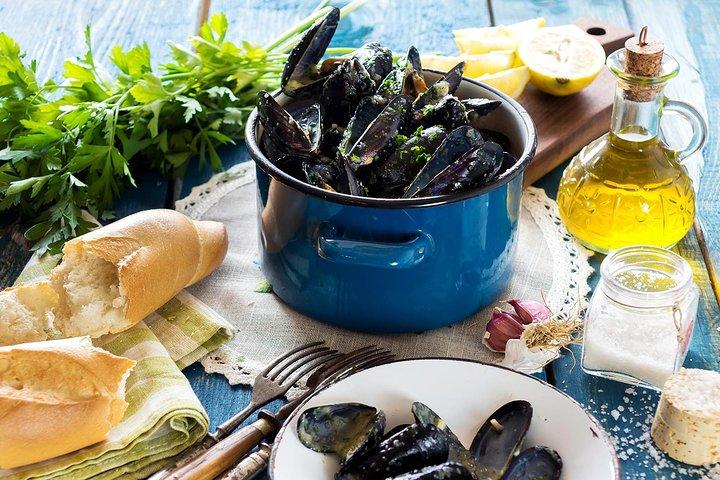
Try local South Sudanese dishes like Kisra and Asida.
Juba, the capital and largest city of South Sudan, is located on the banks of the White Nile. As a rapidly growing urban center, it serves as a crucial political and economic hub for the country. Established in the early 20th century, Juba has a rich history, having been the capital of Mongalla Province and later the Autonomous Government of Southern Sudan. Since South Sudan's independence in 2011, Juba has continued to develop, despite discussions about relocating the capital to Ramciel. The city's vibrant atmosphere and historical significance make it an intriguing destination for travelers interested in understanding South Sudan's journey and growth.
Juba, the capital and largest city of South Sudan, is located on the banks of the White Nile. As a rapidly growing urban center, it serves as a crucial political and economic hub for the country. Established in the early 20th century, Juba has a rich history, having been the capital of Mongalla Province and later the Autonomous Government of Southern Sudan. Since South Sudan's independence in 2011, Juba has continued to develop, despite discussions about relocating the capital to Ramciel. The city's vibrant atmosphere and historical significance make it an intriguing destination for travelers interested in understanding South Sudan's journey and growth.
Capital city of South Sudan.
Located on the White Nile.
Key political and economic hub.
Rich historical background.
Rapid urban growth.
Close access to the White Nile, ideal for river views.
Rapid urban development with ongoing infrastructure projects.
Significant cultural and historical sites to explore.
Try local South Sudanese dishes like Kisra and Asida.
Taxis and boda-bodas (motorcycle taxis) are common modes of transport.
Exploring South Sudan's capital and its historical significance.
SSP £
$50-$100 p/day
English, Arabic, Juba Arabic
Stay aware of your surroundings and follow local advice for a safe visit.
Dress modestly, especially when visiting religious sites.
Cultural Exploration, History Buffs, Political Interest
November-February
Expect warm temperatures and occasional rainfall, ideal for exploring the city.
Hot and dry, with temperatures often exceeding 30°C. Stay hydrated.
Mild weather with less rain, a good time for outdoor activities.
Cooler temperatures make it comfortable for sightseeing.