Getting Around
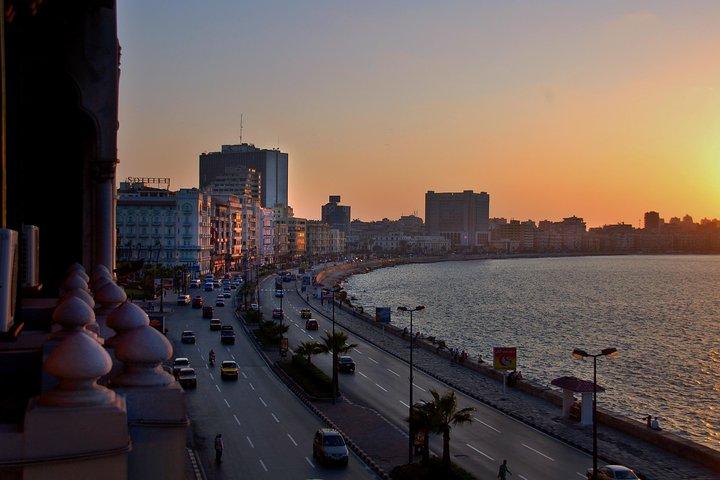
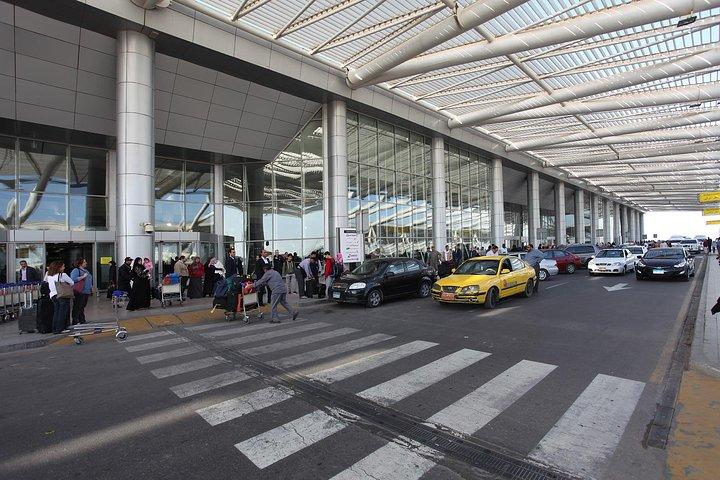
Khartoum has a network of buses and taxis, but traffic can be heavy. Plan your travel times accordingly.
Khartoum, the capital of Sudan, is a vibrant city where the White and Blue Nile rivers meet, forming a unique geographical and cultural landmark. The city is not only the political heart of Sudan but also a hub for economic activities and cultural exchange. Visitors can explore the National Museum of Sudan, which houses artifacts that tell the story of the country's rich history. The city's architecture reflects its colonial past, and its streets are alive with the sounds and sights of a bustling metropolis. Khartoum's universities and cultural institutions contribute to its reputation as a center of learning and culture in North Africa.
Khartoum, the capital of Sudan, is a vibrant city where the White and Blue Nile rivers meet, forming a unique geographical and cultural landmark. The city is not only the political heart of Sudan but also a hub for economic activities and cultural exchange. Visitors can explore the National Museum of Sudan, which houses artifacts that tell the story of the country's rich history. The city's architecture reflects its colonial past, and its streets are alive with the sounds and sights of a bustling metropolis. Khartoum's universities and cultural institutions contribute to its reputation as a center of learning and culture in North Africa.
Confluence of the White and Blue Nile rivers.
Home to the National Museum of Sudan.
Rich historical background with colonial and post-colonial influences.
Economic and trade center in North Africa.
Cultural institutions like the University of Khartoum.
Close access to the confluence of the White and Blue Nile.
Rich cultural heritage with several museums and historical sites.
Economic and trade center with vibrant markets.
Khartoum has a network of buses and taxis, but traffic can be heavy. Plan your travel times accordingly.
Try local dishes such as ful medames and asida at traditional eateries.
History enthusiasts and cultural explorers.
SDG ج.س.
$50-$100 p/day
Arabic, English
Be cautious around crowded areas and always keep an eye on your belongings.
Khartoum can be very hot, especially in summer. Stay hydrated and wear sun protection.
Cultural Exploration, Historical Tour, Educational Trip
November-February
Spring in Khartoum is warm and pleasant, ideal for exploring the city and its historical sites.
Summers are extremely hot; it's best to plan indoor activities or visit during early morning or late afternoon.
The fall season offers moderate temperatures, making it a good time for sightseeing.
Winters are mild and comfortable, perfect for outdoor exploration and visiting cultural sites.