Getting Around
Public transportation is available, but renting a car can provide more flexibility for exploring the surrounding areas.
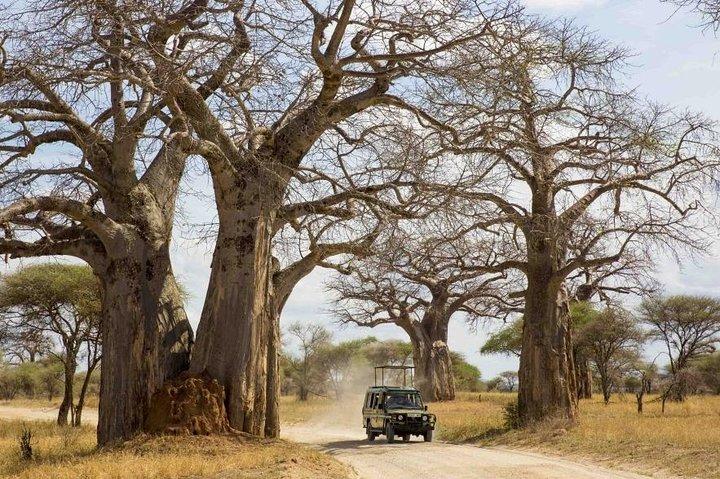
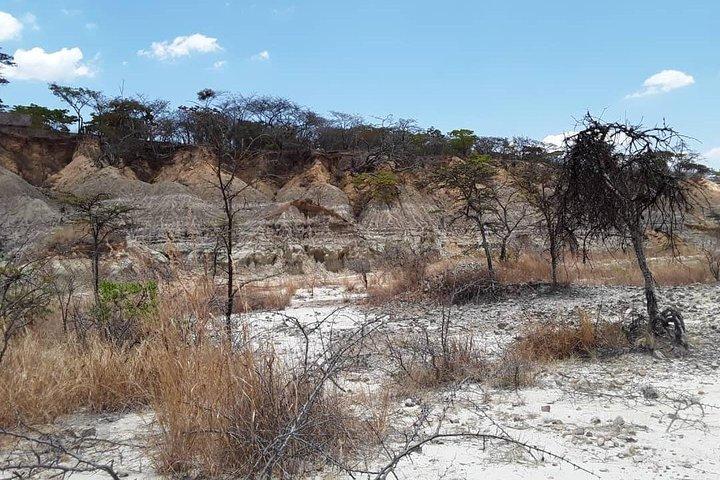
Iringa, located in Tanzania, is renowned for its cool climate, making it one of the most appealing regions for tourists from colder areas, particularly from Western Europe. As the administrative capital of the Iringa Region, the city provides a gateway to Ruaha National Park, one of Africa's largest national parks. The city's name, derived from the Hehe word 'lilinga,' meaning fort, reflects its rich cultural history. Visitors can enjoy the scenic beauty and explore the diverse wildlife of the nearby national park.
Iringa, located in Tanzania, is renowned for its cool climate, making it one of the most appealing regions for tourists from colder areas, particularly from Western Europe. As the administrative capital of the Iringa Region, the city provides a gateway to Ruaha National Park, one of Africa's largest national parks. The city's name, derived from the Hehe word 'lilinga,' meaning fort, reflects its rich cultural history. Visitors can enjoy the scenic beauty and explore the diverse wildlife of the nearby national park.
Proximity to Ruaha National Park.
Cool climate appealing to international tourists.
Rich cultural heritage.
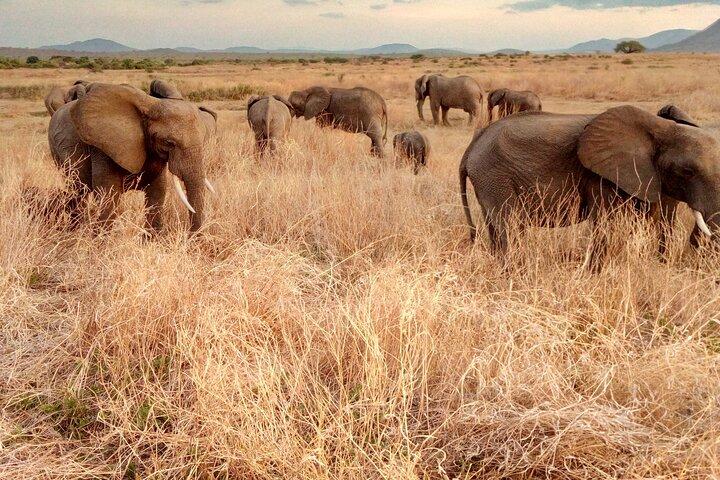
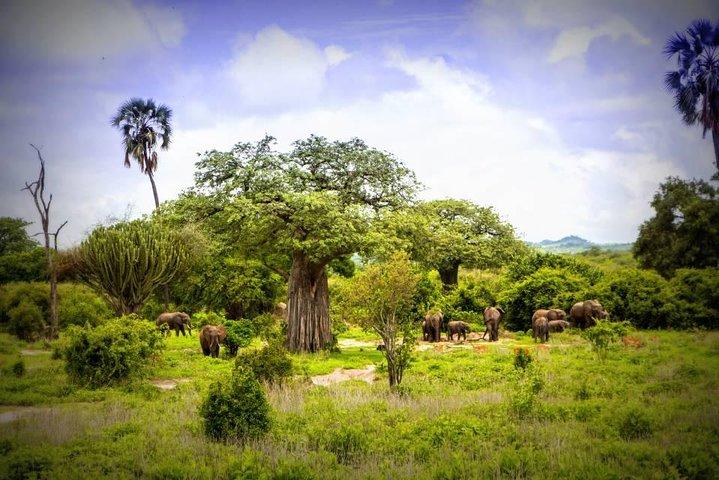
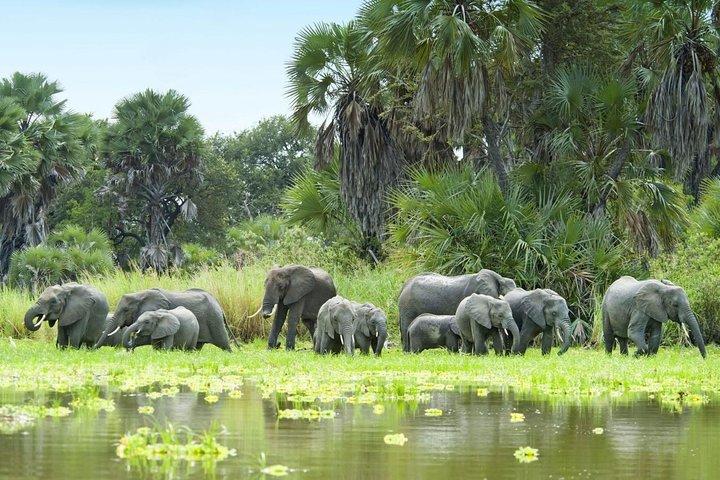
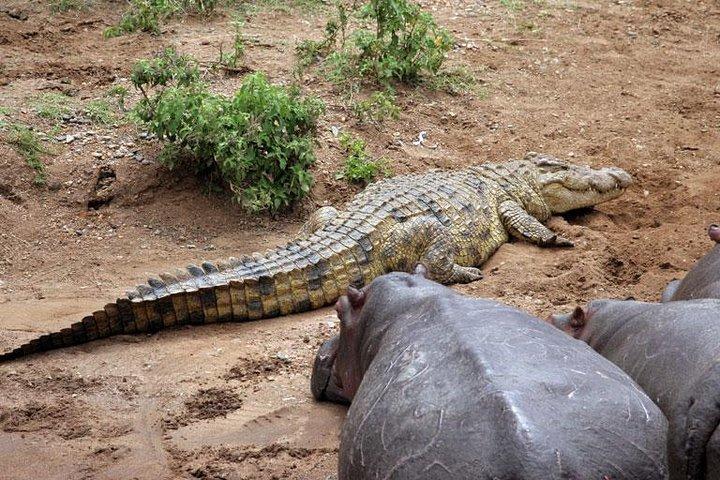
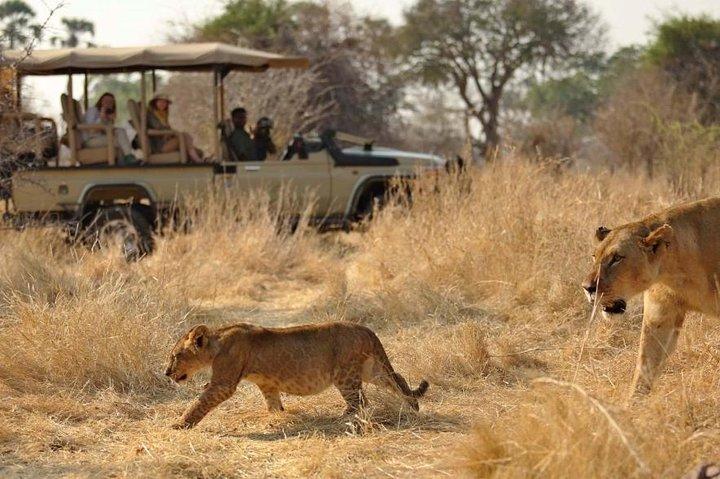
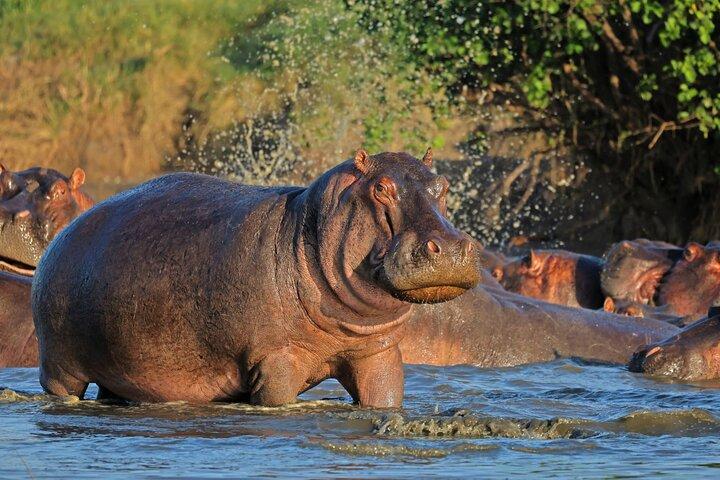
Close access to Ruaha National Park, ideal for wildlife viewing and photography.
Cool climate makes it a comfortable destination year-round.
Rich cultural heritage with local traditions and history.
Public transportation is available, but renting a car can provide more flexibility for exploring the surrounding areas.
Try local dishes that feature fresh ingredients from the region.
Nature enthusiasts and explorers.
TZS TSh
$50-$100 p/day
Swahili, English
Pack layers as Iringa can be cooler than other parts of Tanzania, especially in the evenings.
Iringa is generally safe, but it's always wise to stay alert and secure your belongings.
Nature, Adventure, Tourism
April-JuneSeptember-November
Spring is a great time to visit with mild weather and fewer tourists.
Summer can be cooler compared to other regions, making it comfortable for outdoor activities.
Fall offers pleasant temperatures, ideal for exploring the national park.
Winter is cooler, providing a unique experience for those escaping colder climates.