Prepare for Extreme Weather
Visitors should be well-prepared for harsh and unpredictable weather conditions.
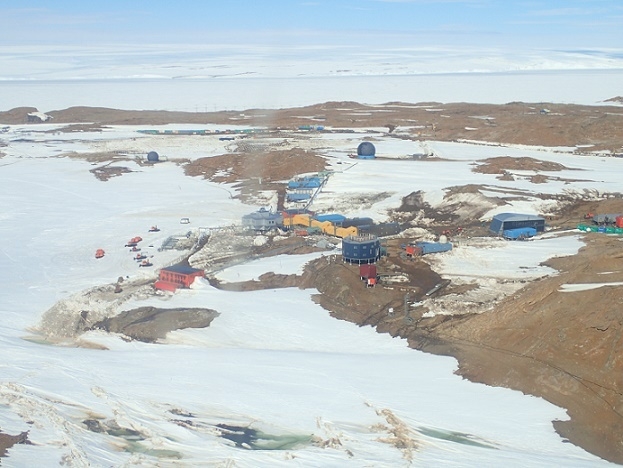
Showa Station, established in 1957, is a Japanese research facility situated on East Ongul Island in Queen Maud Land, Antarctica. It serves as a pivotal location for scientific studies in one of the most remote areas on the planet. The station operates under extreme environmental conditions, making it a unique destination for researchers and adventure seekers interested in polar exploration. With its historical significance and ongoing contributions to scientific knowledge, Showa Station is a testament to human curiosity and resilience.
Showa Station, established in 1957, is a Japanese research facility situated on East Ongul Island in Queen Maud Land, Antarctica. It serves as a pivotal location for scientific studies in one of the most remote areas on the planet. The station operates under extreme environmental conditions, making it a unique destination for researchers and adventure seekers interested in polar exploration. With its historical significance and ongoing contributions to scientific knowledge, Showa Station is a testament to human curiosity and resilience.
Japanese research station in Antarctica.
Established in 1957 during the Shōwa period.
Located on East Ongul Island.
Hub for scientific exploration.
Extreme environmental conditions.
Remote location with limited accessibility.
Harsh weather conditions requiring special preparation.
Significant historical and scientific importance.
Visitors should be well-prepared for harsh and unpredictable weather conditions.
Ensure you have the necessary permissions and arrangements for research activities.
Scientific research and polar exploration.
Japanese, English
Access to the station is limited and typically requires coordination with research organizations.
Respect the scientific and cultural significance of the site during your visit.
Follow strict environmental protocols to preserve the pristine Antarctic environment.