Spiritual Etiquette
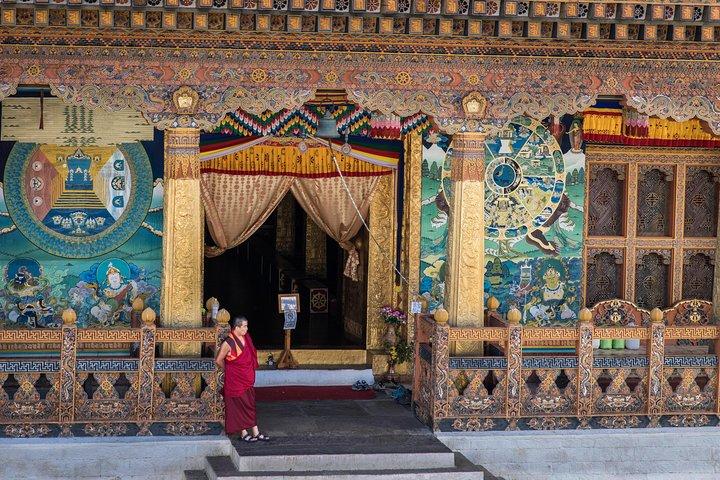
When visiting temples and dzongs, dress modestly with long sleeves and trousers, and always remove your shoes before entering.
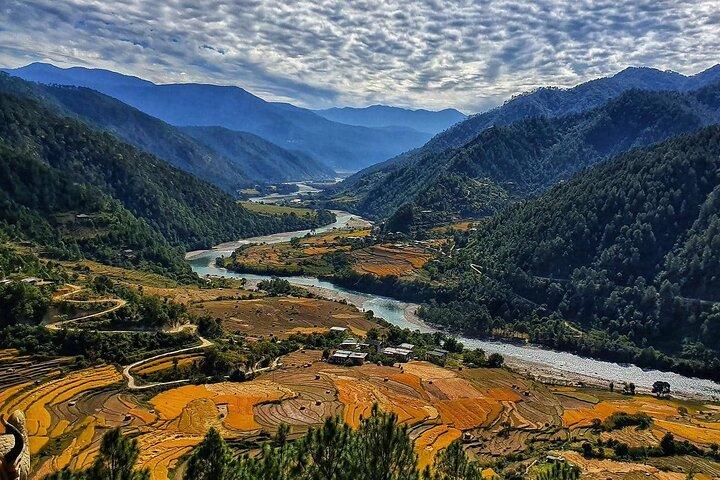
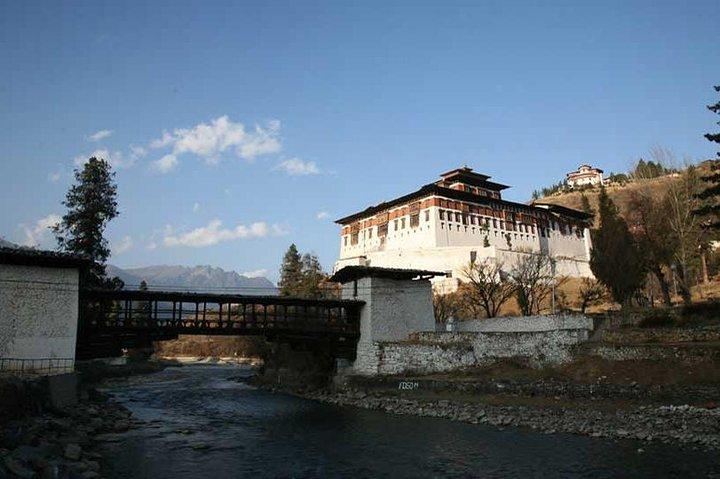
Jakar serves as the administrative and commercial heart of the Bumthang District, often described as the spiritual center of Bhutan. The town is nestled in a wide, picturesque valley and is famously overlooked by the Jakar Dzong, a 16th-century fortress known as the 'Castle of the White Bird.' Visitors use Jakar as a central hub to explore the four high valleys of Bumthang, which are densely packed with some of the kingdom's oldest and most sacred Buddhist temples and monasteries. Beyond its religious significance, the area is celebrated for its unique local culture, including the production of honey, Swiss-style cheese, and intricate 'yathra' woolen textiles. The surrounding landscape offers excellent opportunities for gentle day hikes through pine forests and traditional villages, providing an authentic glimpse into rural Bhutanese life.
Jakar serves as the administrative and commercial heart of the Bumthang District, often described as the spiritual center of Bhutan. The town is nestled in a wide, picturesque valley and is famously overlooked by the Jakar Dzong, a 16th-century fortress known as the 'Castle of the White Bird.' Visitors use Jakar as a central hub to explore the four high valleys of Bumthang, which are densely packed with some of the kingdom's oldest and most sacred Buddhist temples and monasteries. Beyond its religious significance, the area is celebrated for its unique local culture, including the production of honey, Swiss-style cheese, and intricate 'yathra' woolen textiles. The surrounding landscape offers excellent opportunities for gentle day hikes through pine forests and traditional villages, providing an authentic glimpse into rural Bhutanese life.
Jakar Dzong, the 'Castle of the White Bird,' overlooking the valley.
Gateway to the four sacred valleys of the Bumthang region.
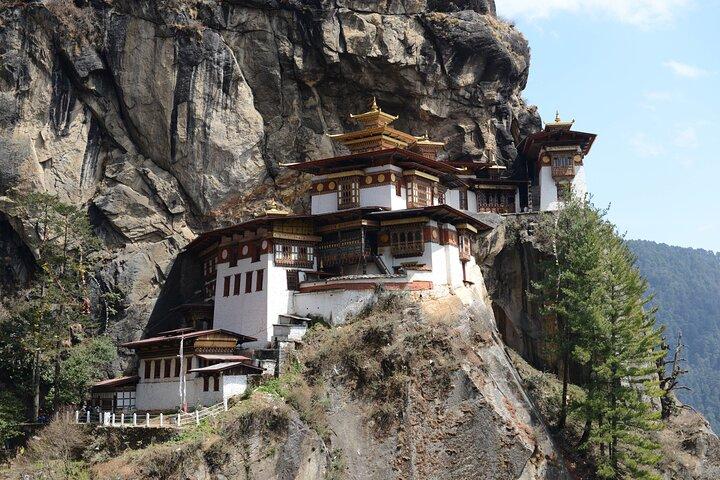
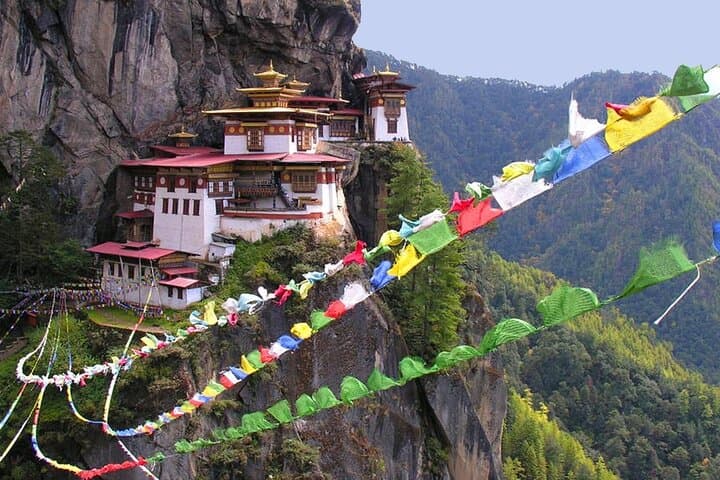
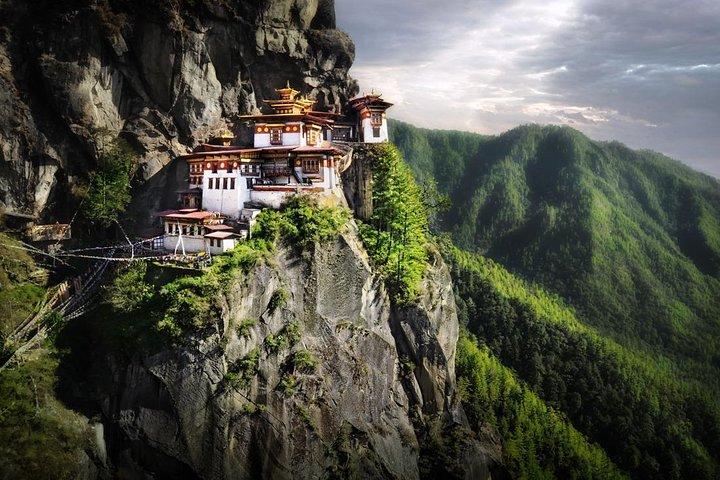
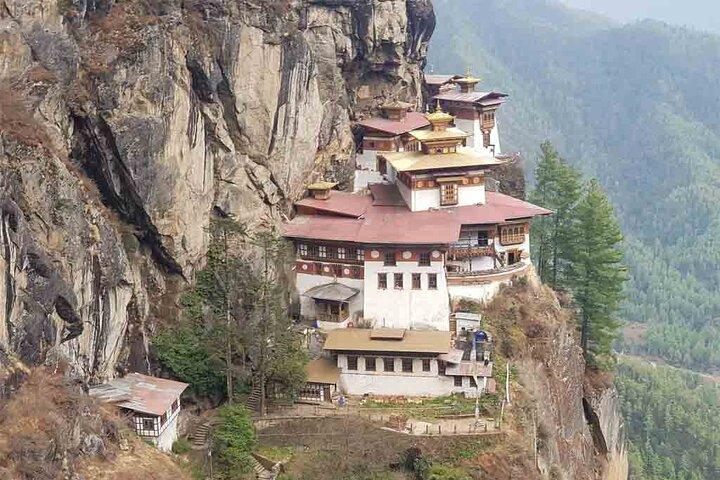
High concentration of ancient Buddhist monasteries and temples.
Scenic landscapes featuring pine forests and fertile farmland.
The town is the primary starting point for cultural tours and treks in central Bhutan.
Nightlife is minimal as the town follows a traditional schedule centered around daylight hours.
Temperatures can drop significantly after sunset, even during the warmer months.
When visiting temples and dzongs, dress modestly with long sleeves and trousers, and always remove your shoes before entering.
Don't miss the chance to try Bumthang's famous honey and 'yathra' textiles, which are hand-woven from sheep's wool.
Exploring Bhutan's spiritual heartland and ancient cultural heritage.
BTN Nu.
$200-$350 p/day
Dzongkha, English, Bumthangkha
Jakar is located at 2,600 meters; ensure you stay hydrated and allow time for acclimatization if arriving from lower altitudes.
March-May, September-November
March to May brings mild weather and blooming rhododendrons, making it the peak season for trekking.
June to August is the monsoon season; while the valleys are lush and green, rain can disrupt travel and mountain views.
September to November offers clear skies and pleasant temperatures, ideal for photography and attending local festivals.
December to February is cold but sunny; it is a quiet time to visit with fewer tourists and crisp mountain air.