Arrival Experience
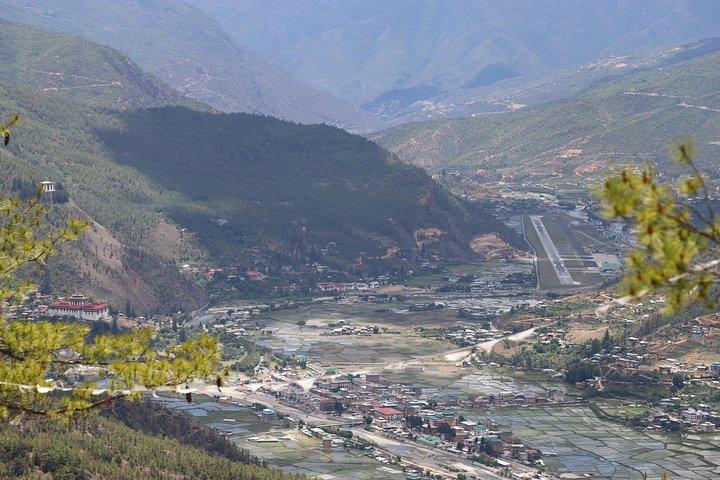
As the site of Bhutan's only international airport, the flight into Paro is considered one of the most spectacular and dramatic landings in the world.
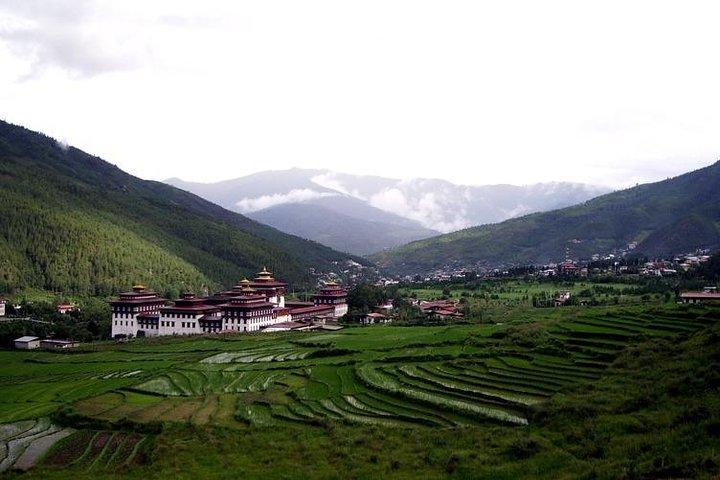
Paro District is one of Bhutan's most captivating regions, serving as the primary gateway for international visitors. Nestled in a historic valley, the area is renowned for its majestic mountain landscapes and significant cultural heritage. Due to its location near ancient trade routes, Paro maintains a unique and close cultural connection with Tibet, which is reflected in its local traditions and architecture. As the site of Bhutan's only international airport, it provides a breathtaking introduction to the kingdom's serene atmosphere and the national language, Dzongkha.
Paro District is one of Bhutan's most captivating regions, serving as the primary gateway for international visitors. Nestled in a historic valley, the area is renowned for its majestic mountain landscapes and significant cultural heritage. Due to its location near ancient trade routes, Paro maintains a unique and close cultural connection with Tibet, which is reflected in its local traditions and architecture. As the site of Bhutan's only international airport, it provides a breathtaking introduction to the kingdom's serene atmosphere and the national language, Dzongkha.
Home to Bhutan's only international airport.
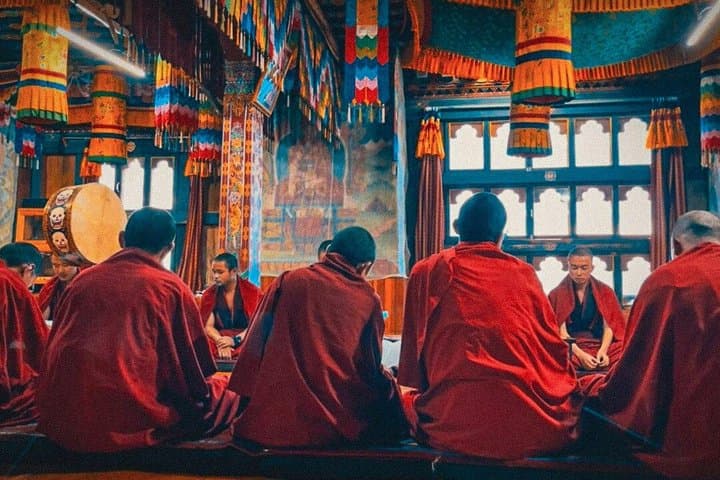
Deep cultural and historical connections to Tibet.
Stunning natural beauty within the historic Paro Valley.
A key entry point for travelers exploring the kingdom.
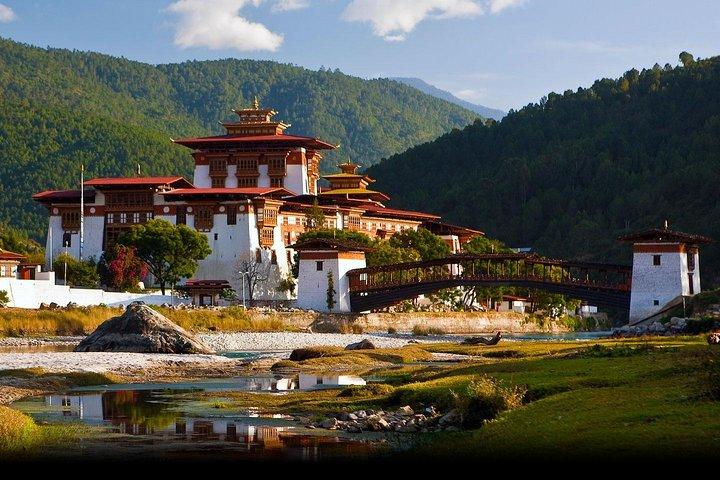
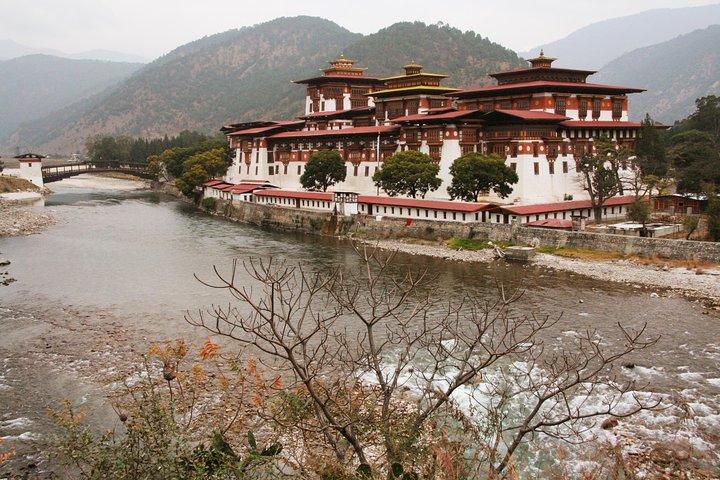
Rich heritage sites and traditional Bhutanese architecture.
It is the primary entry point for most international travelers to Bhutan.
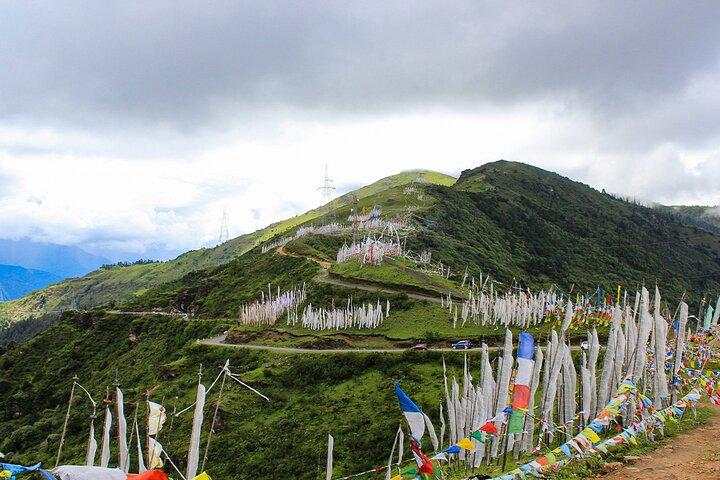
The region features high-altitude terrain typical of the Himalayas.
Paro is home to some of the most historic and culturally significant valleys in the country.
As the site of Bhutan's only international airport, the flight into Paro is considered one of the most spectacular and dramatic landings in the world.
Take time to explore the local architecture and historic sites that showcase the region's deep ties to Tibetan heritage.
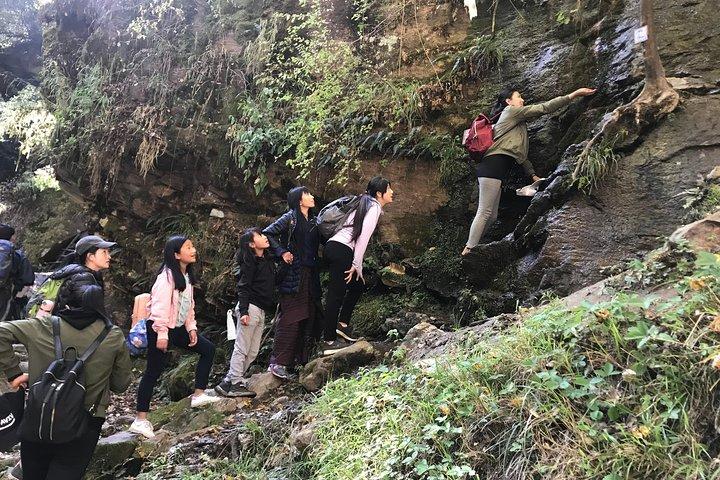
Cultural immersion and breathtaking Himalayan scenery.
BTN Nu.
$200-$300 p/day
Dzongkha, English
While Dzongkha is the primary language, English is widely used in tourism and official contexts throughout the district.
March-May, September-November
A popular time to visit with blooming flowers and clear views of the surrounding mountains.
The monsoon season brings lush greenery to the valley, though clouds may obscure mountain peaks.
Excellent visibility and pleasant temperatures make this an ideal time for cultural festivals and trekking.
Winters are cold but offer crisp, bright blue skies and a quieter experience with fewer tourists.