Getting Around
Thimphu does not have its own airport; the nearest airport is in Paro, about 52 kilometers away.
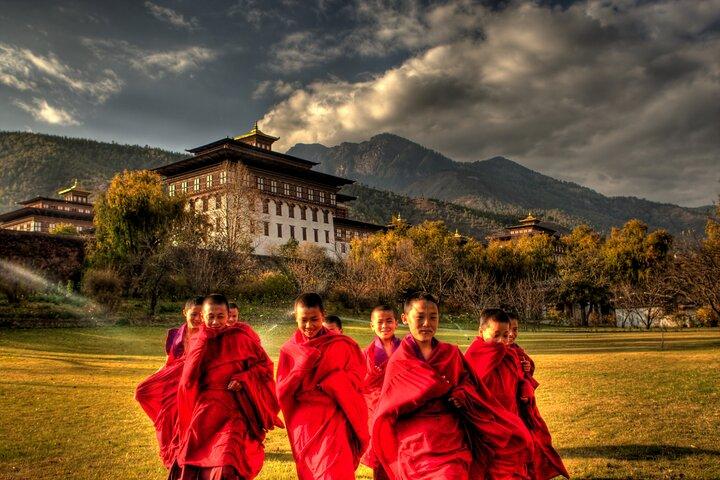
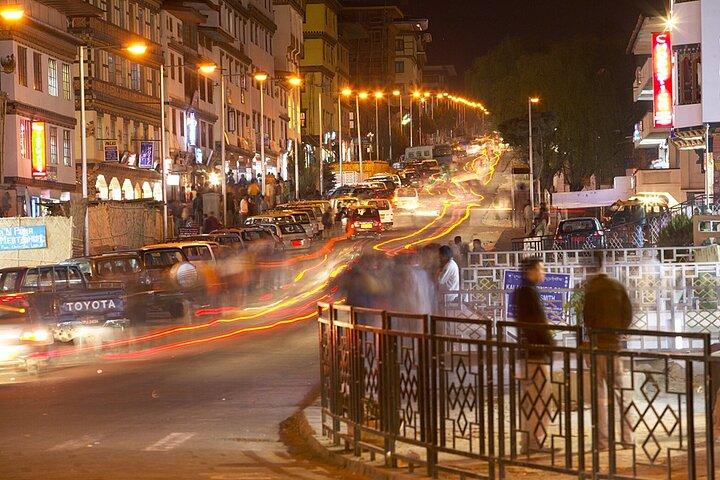
Thimphu is the capital and largest city of Bhutan, located in the western central part of the country. As the political and economic center, it plays a crucial role in Bhutan's governance and development. Despite its modernization, Thimphu maintains a rich cultural heritage, evident in its architecture, festivals, and daily life. The annual Tshechu festival is a major cultural event, showcasing traditional Cham dances. Thimphu's high-altitude setting offers breathtaking views and a unique experience for visitors interested in Bhutanese culture and scenic landscapes.
Thimphu is the capital and largest city of Bhutan, located in the western central part of the country. As the political and economic center, it plays a crucial role in Bhutan's governance and development. Despite its modernization, Thimphu maintains a rich cultural heritage, evident in its architecture, festivals, and daily life. The annual Tshechu festival is a major cultural event, showcasing traditional Cham dances. Thimphu's high-altitude setting offers breathtaking views and a unique experience for visitors interested in Bhutanese culture and scenic landscapes.
Capital and largest city of Bhutan.
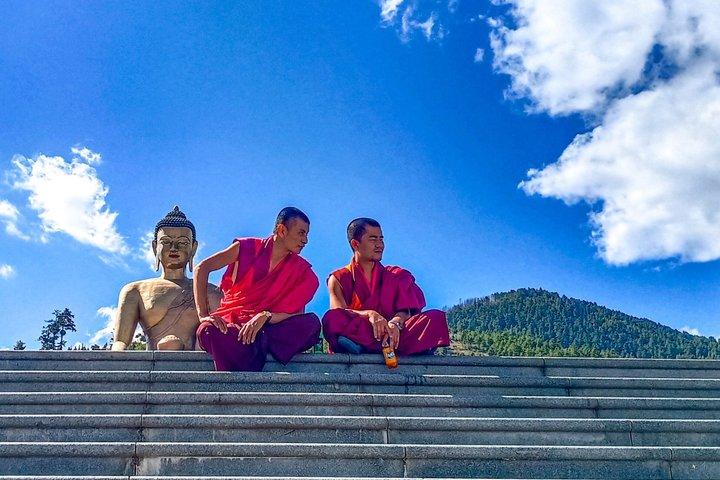
Rich cultural heritage with traditional festivals.
Political and economic center of Bhutan.
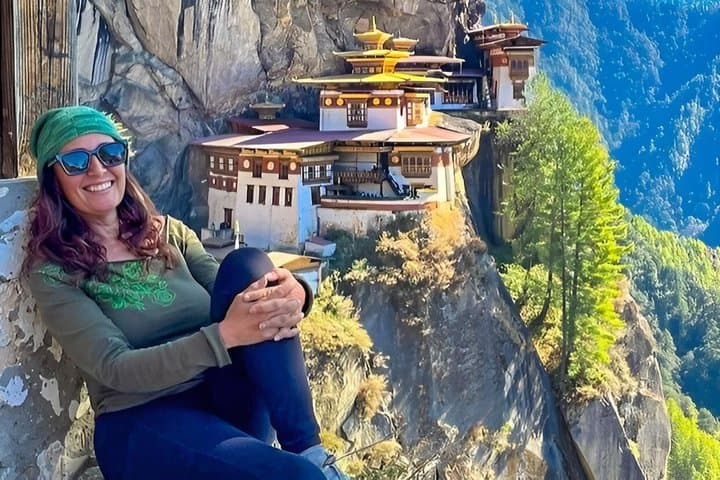
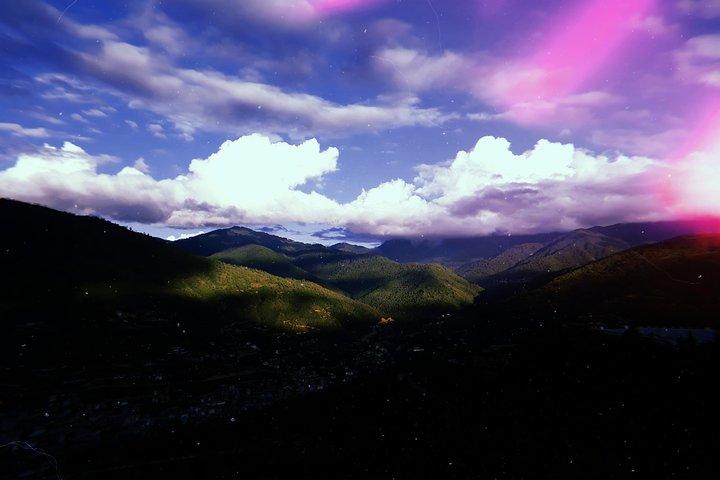
Scenic views in a high-altitude valley.
Blend of tradition and modernization.
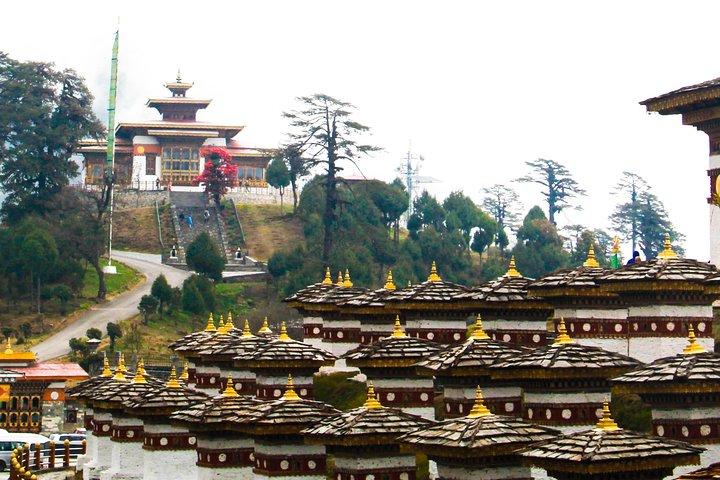
Rich cultural heritage with traditional festivals and architecture.
High-altitude location offering scenic views and unique experiences.
Political and economic center of Bhutan with significant historical sites.
Thimphu does not have its own airport; the nearest airport is in Paro, about 52 kilometers away.
Experience the annual Tshechu festival, featuring traditional mask dances.
Exploring Bhutanese culture and scenic landscapes.
BTN Nu.
$100-$200 p/day
Dzongkha, English
Thimphu is one of the highest capitals in the world, so be prepared for high-altitude conditions.
The city's economy is based on agriculture and livestock, contributing significantly to Bhutan's GNP.
Tourism is regulated to maintain a balance between tradition and modernization.
Cultural Exploration, Sightseeing, Nature Lovers, Festivals
March-MaySeptember-November
Spring in Thimphu is mild and pleasant, ideal for sightseeing and exploring the city.
Summers are warm with occasional rains, perfect for enjoying the lush green landscapes.
Fall is a great time to visit with clear skies and the famous Tshechu festival taking place.
Winters are cold, but the city is less crowded, offering a peaceful experience.