Winter Gear
Pack heavy-duty thermal layers, as temperatures in winter can drop well below -30°C.
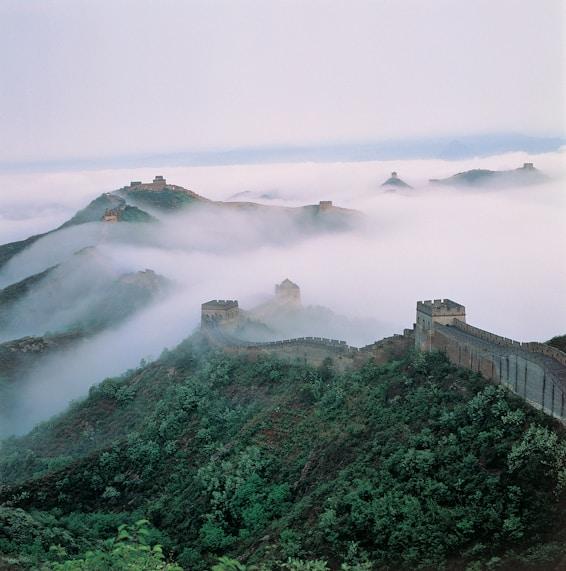

Heilongjiang serves as China's gateway to the north, defined by its long border with Russia and a distinct subarctic climate. The province is most famous for its capital, Harbin, which hosts one of the world's largest ice and snow festivals every winter, featuring massive, illuminated ice structures. Beyond the seasonal frost, the region offers a fascinating cultural tapestry where Chinese traditions meet Russian influence, visible in local architecture and hearty cuisine. Nature lovers can explore the volcanic terrain of Wudalianchi or the Zhalong wetlands, a sanctuary for rare red-crowned cranes. Whether seeking a cool summer retreat or a bone-chilling winter adventure, Heilongjiang offers a landscape of extreme beauty.
Heilongjiang serves as China's gateway to the north, defined by its long border with Russia and a distinct subarctic climate. The province is most famous for its capital, Harbin, which hosts one of the world's largest ice and snow festivals every winter, featuring massive, illuminated ice structures. Beyond the seasonal frost, the region offers a fascinating cultural tapestry where Chinese traditions meet Russian influence, visible in local architecture and hearty cuisine. Nature lovers can explore the volcanic terrain of Wudalianchi or the Zhalong wetlands, a sanctuary for rare red-crowned cranes. Whether seeking a cool summer retreat or a bone-chilling winter adventure, Heilongjiang offers a landscape of extreme beauty.
World-renowned Harbin Ice and Snow Festival.
Distinctive Russian-influenced architecture and cuisine.
Volcanic landscapes and mineral springs of Wudalianchi.
Rare red-crowned crane sightings in Zhalong wetlands.
Expansive northern frontier scenery along the Russian border.
Winter temperatures are among the lowest in China, requiring specialized clothing.
Distances between major attractions like Harbin and Wudalianchi can be significant.
The region offers a unique Russian-Chinese atmosphere not found elsewhere in China.
Pack heavy-duty thermal layers, as temperatures in winter can drop well below -30°C.
Visit Harbin between late December and February to experience the peak of the Ice and Snow Festival.
Winter enthusiasts, nature photographers, and cultural explorers.
CNY ¥
Mandarin, Russian, English
Try the unique fusion of Chinese and Russian flavors, including local sausages and hearty stews.
Plan a trip to Wudalianchi for its unique volcanic geology and mineral water springs.
December-February, June-August
Spring is a time of transition as ice melts; it is a good season for seeing migratory birds in the wetlands.
Summers are pleasantly cool compared to the rest of China, making it a popular retreat for hiking and nature.
The fall season is short but beautiful, with changing colors in the northern forests and crisp, clear air.
Winter is the peak season for tourism; though bone-chillingly cold, it is essential for the world-famous ice festivals.