Visiting the Terracotta Army
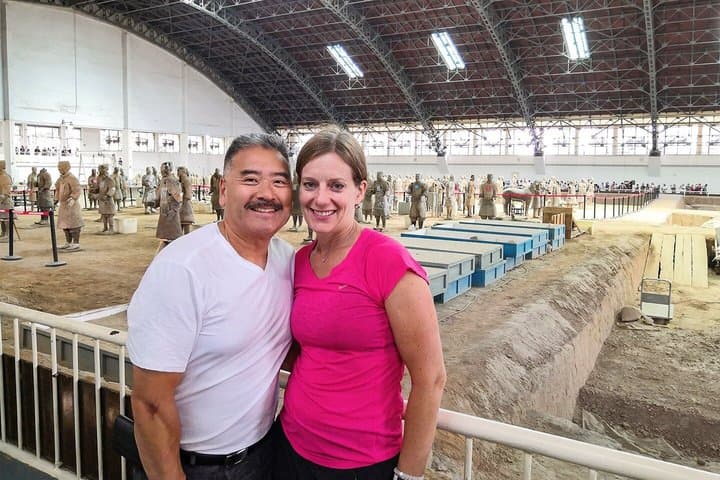
Plan to spend at least half a day exploring the Terracotta Army and the surrounding museum.
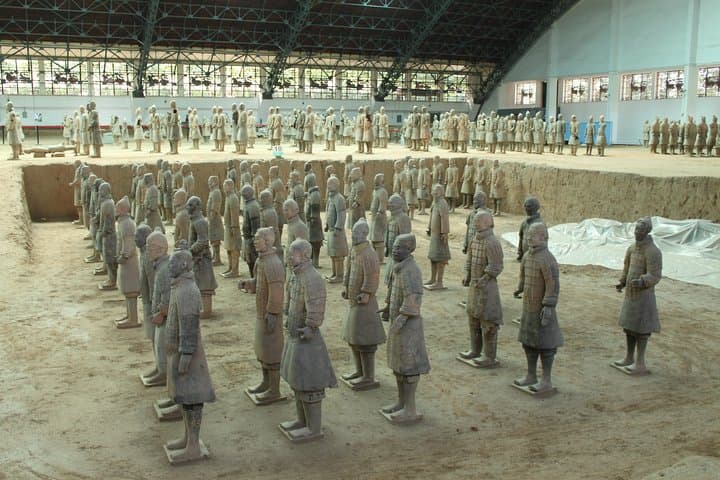
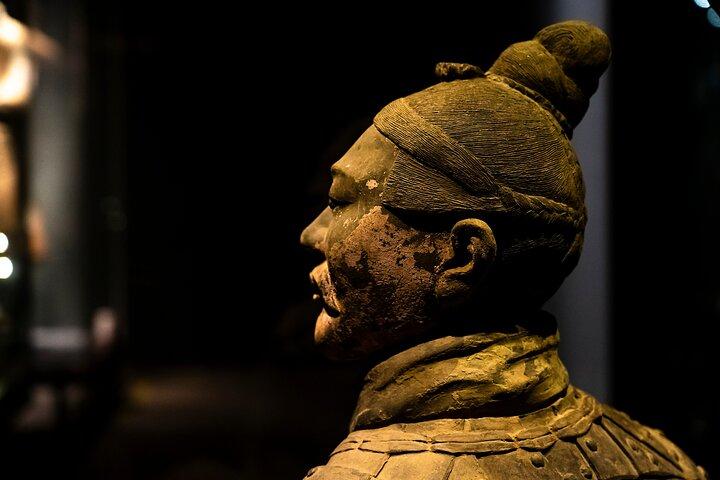
Lintong District in Xi'an, Shaanxi, is a historical and cultural gem, famous for housing the Terracotta Army and the Mausoleum of the First Qin Emperor. This district offers a deep dive into China's ancient history, with artifacts and sites that date back to the Qin Dynasty. Visitors can explore the Emperor Qinshihuang's Mausoleum Site Museum, which provides insights into the life and legacy of China's first emperor. Lintong is not only a place of historical importance but also a cultural hub with its unique blend of ancient and modern influences.
Lintong District in Xi'an, Shaanxi, is a historical and cultural gem, famous for housing the Terracotta Army and the Mausoleum of the First Qin Emperor. This district offers a deep dive into China's ancient history, with artifacts and sites that date back to the Qin Dynasty. Visitors can explore the Emperor Qinshihuang's Mausoleum Site Museum, which provides insights into the life and legacy of China's first emperor. Lintong is not only a place of historical importance but also a cultural hub with its unique blend of ancient and modern influences.
Home to the Terracotta Army.
Mausoleum of the First Qin Emperor.
Rich historical significance.
Cultural heritage sites.
Close access to the Terracotta Army, ideal for history enthusiasts.
Rich cultural heritage with several museums and historical sites.
Part of the larger Xi'an area, offering diverse cultural experiences.
Plan to spend at least half a day exploring the Terracotta Army and the surrounding museum.
Try local Shaanxi dishes such as biangbiang noodles and roujiamo while visiting.
History buffs and cultural tourists.
CNY ¥
$50-$100 p/day
Chinese, English
Public buses and taxis are available for easy access to major attractions.
Tourists, Cultural Exploration, Educational
April-JuneSeptember-November
Spring is a pleasant time to visit Lintong, with mild weather perfect for exploring outdoor sites.
Summers can be hot, but it's a great time for cultural festivals.
Fall offers cooler temperatures and is ideal for sightseeing.
Winters are cold but less crowded, offering a peaceful experience at major attractions.