Navigation
Download a reliable map app and a translation tool, as English is not universally spoken outside major tourist areas.
Shanghai is a city of layers, where the ultra-modern Lujiazui financial district stares across the Huangpu River at the historic, Art Deco buildings of the Bund. As China's largest urban area, it pulses with an energy fueled by international trade and a cosmopolitan lifestyle. Visitors can wander through the narrow alleys of traditional shikumen neighborhoods, explore the serene beauty of the 16th-century Yu Garden, or indulge in the city's legendary culinary scene, ranging from street-side soup dumplings to Michelin-starred dining. With the world's most extensive metro system and a skyline that ranks among the most impressive globally, Shanghai is a testament to China's rapid transformation and enduring heritage.
Shanghai is a city of layers, where the ultra-modern Lujiazui financial district stares across the Huangpu River at the historic, Art Deco buildings of the Bund. As China's largest urban area, it pulses with an energy fueled by international trade and a cosmopolitan lifestyle. Visitors can wander through the narrow alleys of traditional shikumen neighborhoods, explore the serene beauty of the 16th-century Yu Garden, or indulge in the city's legendary culinary scene, ranging from street-side soup dumplings to Michelin-starred dining. With the world's most extensive metro system and a skyline that ranks among the most impressive globally, Shanghai is a testament to China's rapid transformation and enduring heritage.
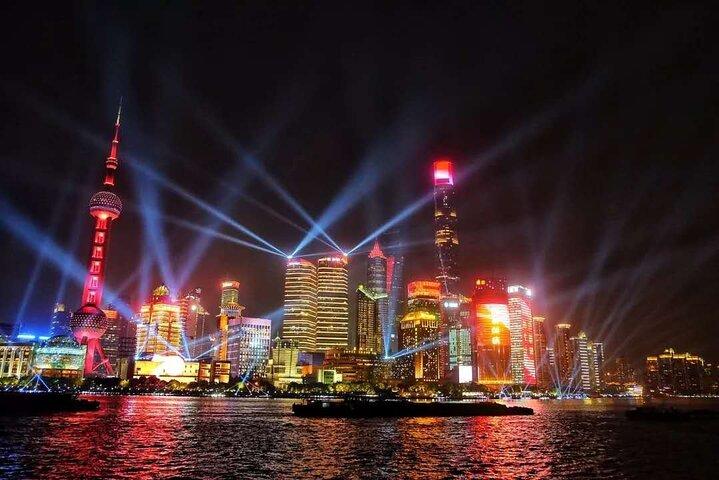
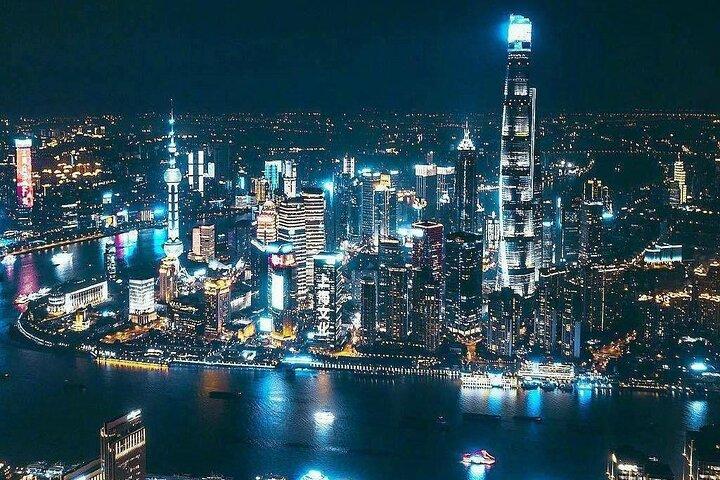
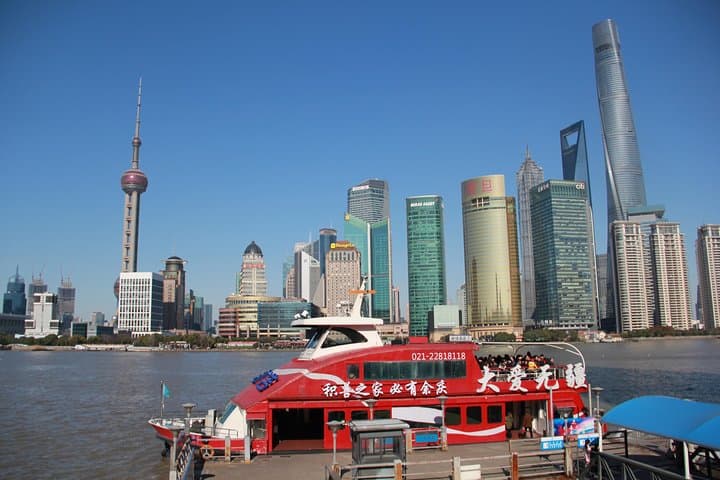
The iconic Lujiazui skyline with the Oriental Pearl Tower.
Historic colonial architecture along the waterfront Bund.
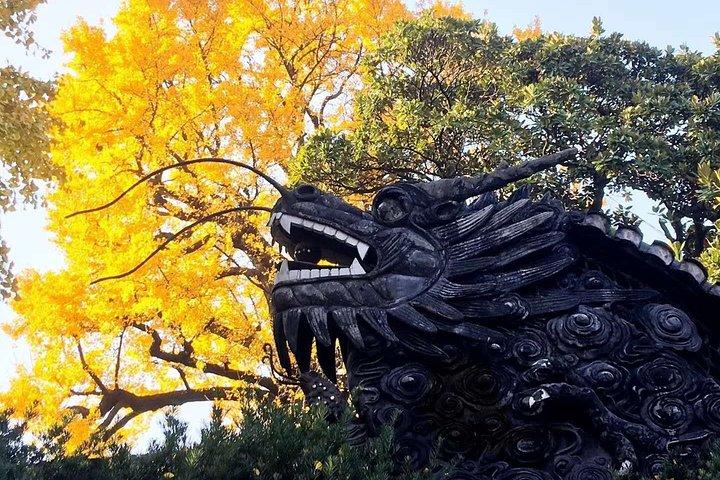
Traditional Yu Garden and the surrounding Old City.
The world's longest metro network for easy navigation.
Unique shikumen-style housing in Xintiandi.
Expect large crowds at major landmarks like the Bund, especially during weekends and public holidays.
Air quality can vary, so it is helpful to check the AQI forecast before planning long outdoor activities.
Internet access to many international sites requires a VPN or a specific international roaming plan.
Download a reliable map app and a translation tool, as English is not universally spoken outside major tourist areas.
The Shanghai Metro is the most efficient way to travel; consider purchasing a multi-day pass to save time.
Urban explorers, luxury shoppers, and architecture enthusiasts.
CNY ¥
$100-$200 p/day
Mandarin, Shanghainese, English
Mobile payments like Alipay or WeChat Pay are essential, as many vendors no longer prefer cash.
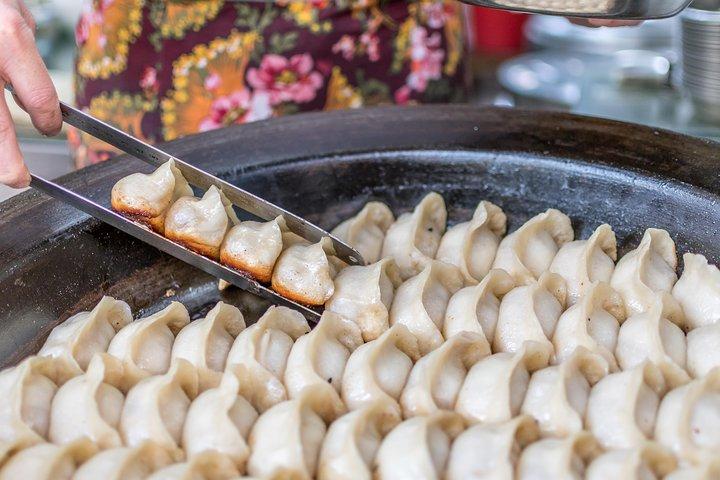
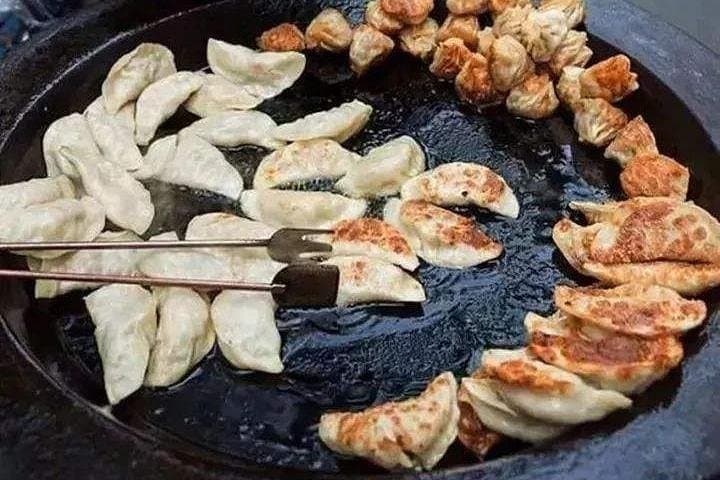
Don't leave without trying the famous Xiaolongbao (soup dumplings) and Shengjianbao (pan-fried buns).
March-May, September-November
Spring in Shanghai is pleasant with mild temperatures and blooming flowers, ideal for walking tours.
Summers are hot, humid, and rainy; stay hydrated and utilize the city's many air-conditioned indoor spaces.
Fall offers clear skies and comfortable weather, widely considered the best time to visit.
Winters are cold and damp; while it rarely snows, you will need heavy layers for outdoor sightseeing.