Altitude Adjustment
Lhasa is at a high altitude, so take it easy on arrival to acclimate.
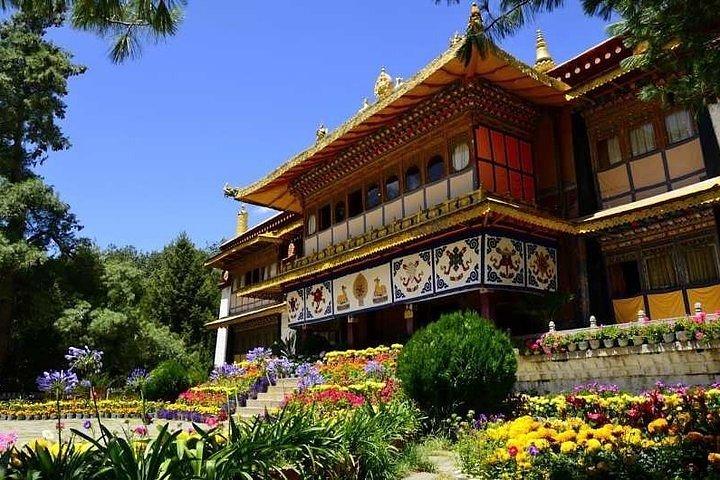
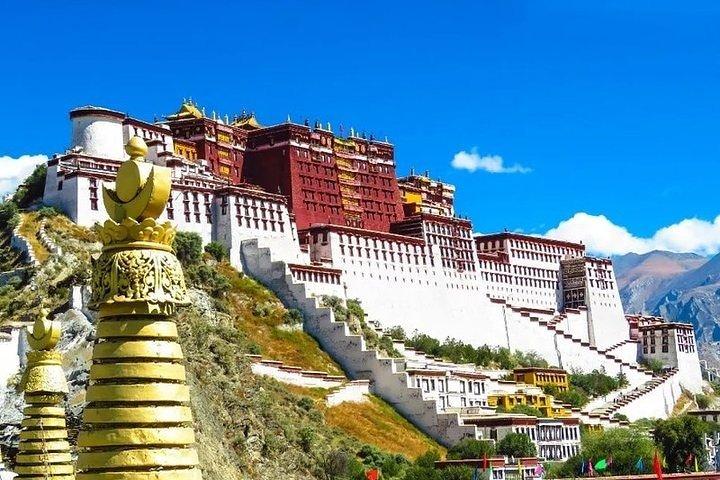
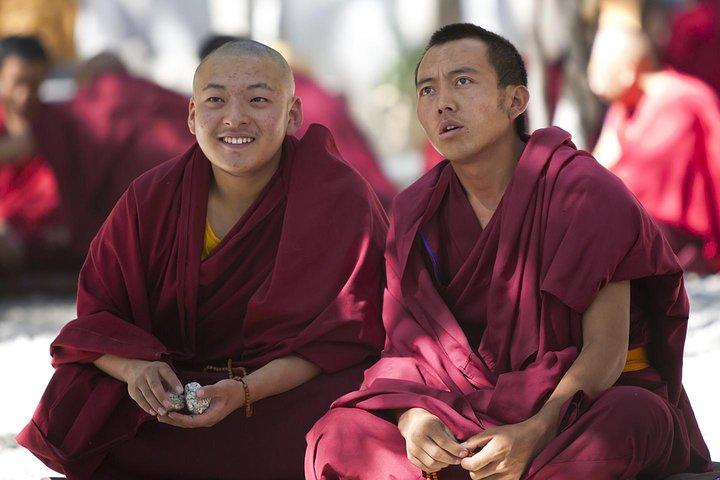
Lhasa, the heart of Tibet, offers a unique blend of spiritual and cultural experiences. As the capital city, it is home to historic monasteries and temples that showcase the rich Tibetan Buddhist heritage. Visitors can explore the stunning landscapes of the Himalayas and immerse themselves in the unique traditions and culture of the Tibetan people. With its serene atmosphere and breathtaking views, Lhasa is a destination for those seeking spiritual enrichment and cultural exploration.
Lhasa, the heart of Tibet, offers a unique blend of spiritual and cultural experiences. As the capital city, it is home to historic monasteries and temples that showcase the rich Tibetan Buddhist heritage. Visitors can explore the stunning landscapes of the Himalayas and immerse themselves in the unique traditions and culture of the Tibetan people. With its serene atmosphere and breathtaking views, Lhasa is a destination for those seeking spiritual enrichment and cultural exploration.
Rich Tibetan Buddhist heritage.
Stunning Himalayan landscapes.
Historic monasteries and temples.
Unique Tibetan culture and traditions.
High altitude may affect some visitors; acclimatization is important.
Cultural sensitivity is essential, especially in religious sites.
Limited public transportation; guided tours are recommended.
Lhasa is at a high altitude, so take it easy on arrival to acclimate.
Respect local customs, especially in religious sites.
Cultural exploration and spiritual journeys.
CNY ¥
$50-$100 p/day
Tibetan, Mandarin, English
Be prepared for variable weather; layers are recommended.
Public transport is limited; consider hiring a local guide for ease.
Always ask permission before taking photos of locals or inside temples.
Cultural Exploration, Spiritual Journey, Adventure, Sightseeing
April-JuneSeptember-November
Spring offers mild temperatures and blooming landscapes, ideal for sightseeing.
Summer is peak tourist season; expect crowds but enjoy vibrant festivals.
Fall provides pleasant weather and fewer tourists, perfect for exploring.
Winters are cold but offer a peaceful atmosphere and clear skies.