Local Cuisine
Try traditional Tibetan dishes such as tsampa and yak butter tea.

Qamdo Shi, officially known as Chamdo, is a vibrant city nestled in the eastern part of the Tibet Autonomous Region, China. As the third largest city in Tibet, it serves as a cultural hub, offering visitors a unique glimpse into Tibetan traditions and lifestyle. The city is surrounded by breathtaking mountainous landscapes, making it a perfect destination for nature lovers and adventure seekers. Visitors can explore various historical sites and enjoy the harmonious blend of modernity and tradition that Qamdo Shi embodies.
Qamdo Shi, officially known as Chamdo, is a vibrant city nestled in the eastern part of the Tibet Autonomous Region, China. As the third largest city in Tibet, it serves as a cultural hub, offering visitors a unique glimpse into Tibetan traditions and lifestyle. The city is surrounded by breathtaking mountainous landscapes, making it a perfect destination for nature lovers and adventure seekers. Visitors can explore various historical sites and enjoy the harmonious blend of modernity and tradition that Qamdo Shi embodies.
Tibet's third largest city.
Rich in Tibetan culture and history.
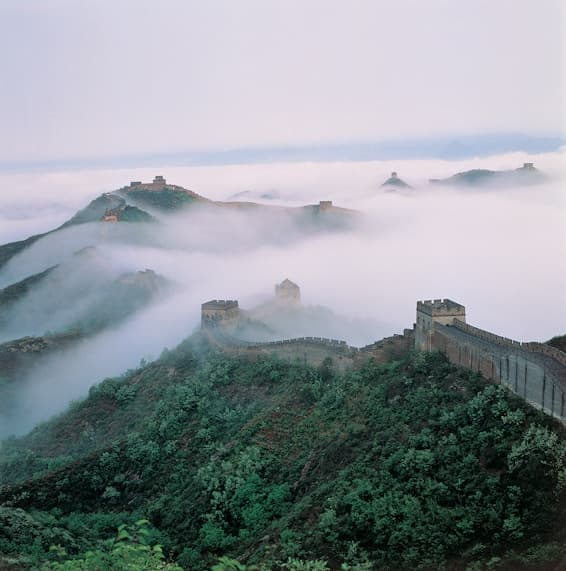
Surrounded by stunning mountainous terrain.
Offers a blend of modernity and tradition.
Close access to the Mekong River, ideal for scenic views and exploration.
Rich cultural heritage with several monasteries and historical sites.
Remote location with limited access to modern amenities.
Try traditional Tibetan dishes such as tsampa and yak butter tea.
Public transportation is limited, so consider hiring a local guide or renting a vehicle.
Exploring Tibetan culture and scenic landscapes.
CNY ¥
$50-$100 p/day
Tibetan, Chinese
Be prepared for high altitudes; acclimatization is recommended to avoid altitude sickness.
Cultural Exploration, Adventure, Nature
April-JuneSeptember-November
Spring is a great time to visit with mild temperatures and blooming landscapes.
Summers are warm and ideal for trekking and outdoor activities.
Fall offers stunning autumn colors and is a good time for cultural festivals.
Winters can be harsh, but it's a unique time to experience Tibetan winter traditions.