Local Cuisine
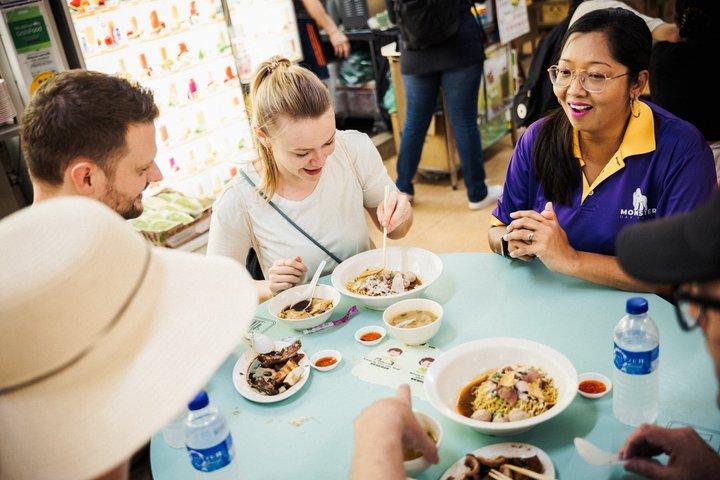
Explore local Xinjiang cuisine, known for its unique flavors and influences from various cultures.
Changji is a county-level city in Northern Xinjiang, China, approximately 40 km west of Ürümqi. It serves as the seat of the Changji Hui Autonomous Prefecture and is home to around 390,000 residents. The city is known for its agricultural economy, focusing on crop growing, animal husbandry, and oil crop production. Visitors can explore the archaeological remains of the Tang dynasty city, referred to as Ancient Changji, at the northeast corner of the modern city. Additionally, Changji hosts a Federation of Industry and Commerce and is home to Changji University, making it a hub of both historical and contemporary significance.
Changji is a county-level city in Northern Xinjiang, China, approximately 40 km west of Ürümqi. It serves as the seat of the Changji Hui Autonomous Prefecture and is home to around 390,000 residents. The city is known for its agricultural economy, focusing on crop growing, animal husbandry, and oil crop production. Visitors can explore the archaeological remains of the Tang dynasty city, referred to as Ancient Changji, at the northeast corner of the modern city. Additionally, Changji hosts a Federation of Industry and Commerce and is home to Changji University, making it a hub of both historical and contemporary significance.
Proximity to Ürümqi, the regional capital.
Home to Changji University.
Archaeological remains of the Tang dynasty city.
Focus on crop growing and animal husbandry.
Close access to Ürümqi, the regional capital.
Rich agricultural landscape with opportunities to learn about local farming practices.
Significant historical sites from the Tang dynasty.
Explore local Xinjiang cuisine, known for its unique flavors and influences from various cultures.
Public transport is available, but renting a car can offer more flexibility to explore the surrounding areas.
Exploring historical sites and experiencing local agriculture.
CNY ¥
$50-$100 p/day
Chinese, Uighur
Respect local customs and traditions, especially in areas with significant Hui Muslim populations.
Visit the ancient city ruins for a glimpse into the region's Tang dynasty history.
April-JuneSeptember-November
Spring is ideal for visiting with mild weather, perfect for exploring the city's historical sites.
Summers can be hot, but it's a great time for agricultural tours and outdoor activities.
Fall offers pleasant weather and fewer tourists, making it a great time to explore the city.
Winters are cold, but it's a quiet time to visit historical sites without the crowds.