Getting Around
Tbilisi has a reliable public transport system including buses and a metro, making it easy to explore the city.
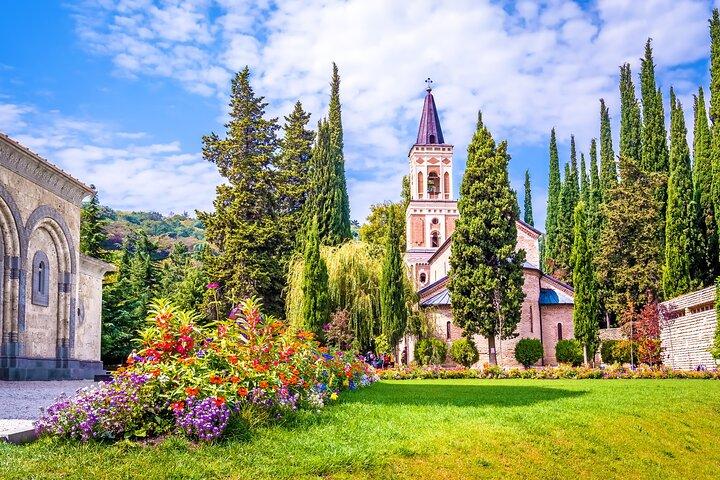
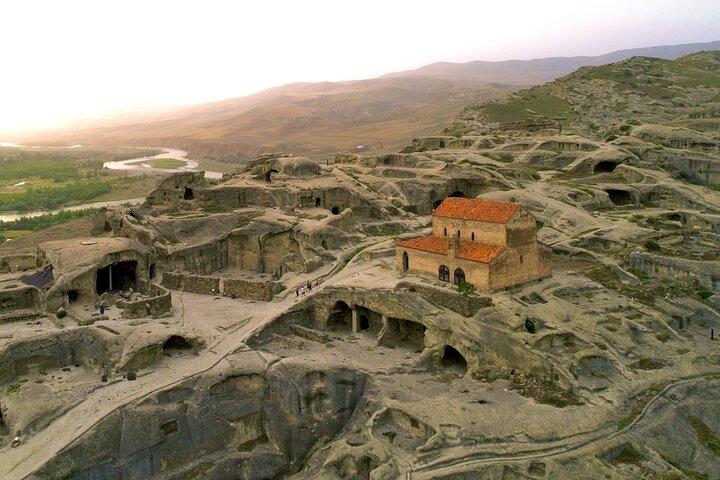
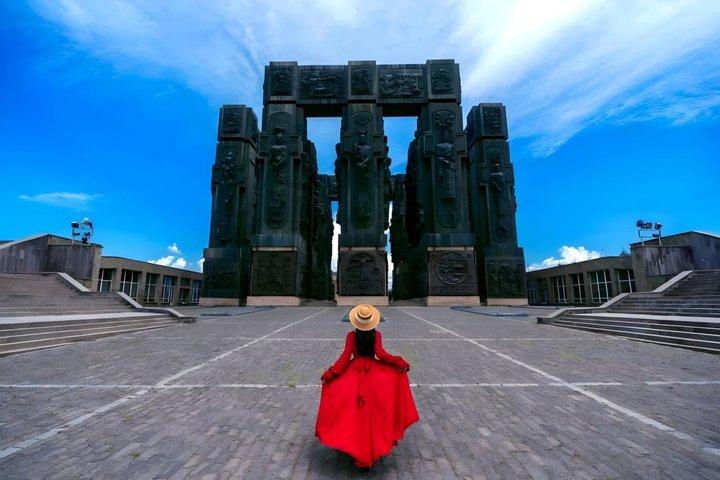
Tbilisi, the capital of Georgia, is a city that beautifully blends its historical roots with modern vibrancy. Founded in the fifth century, it has served as a pivotal point along the Silk Road, attracting a diverse mix of cultures and influences. Visitors can explore its varied architecture, from medieval fortresses to modern structures, and enjoy its rich cultural offerings, including theaters and museums. The city is also known for its welcoming atmosphere and vibrant street life, making it a must-visit for those interested in history and culture.
Tbilisi, the capital of Georgia, is a city that beautifully blends its historical roots with modern vibrancy. Founded in the fifth century, it has served as a pivotal point along the Silk Road, attracting a diverse mix of cultures and influences. Visitors can explore its varied architecture, from medieval fortresses to modern structures, and enjoy its rich cultural offerings, including theaters and museums. The city is also known for its welcoming atmosphere and vibrant street life, making it a must-visit for those interested in history and culture.
Rich mix of architectural styles.
Historical significance as a Silk Road hub.
Diverse cultural and religious heritage.
Notable landmarks like Narikala Fortress.
Vibrant arts and theater scene.
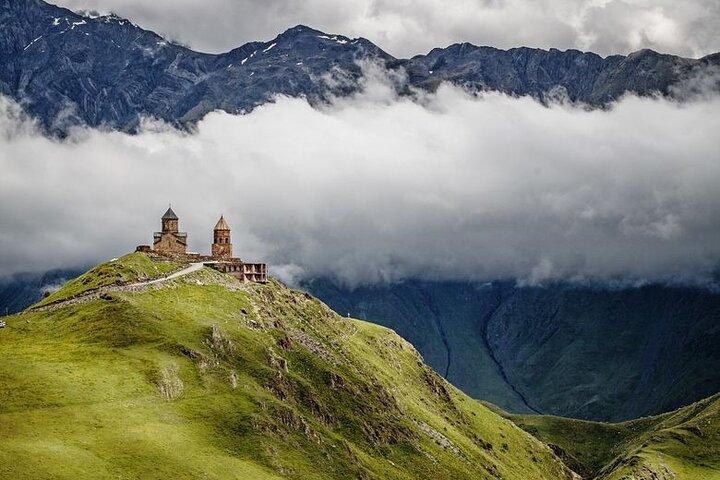
Close access to the Caucasus Mountains, ideal for hiking and nature activities.
Rich cultural heritage with numerous museums and historical sites.
Vibrant nightlife and arts scene, offering a mix of traditional and modern experiences.
Tbilisi has a reliable public transport system including buses and a metro, making it easy to explore the city.
Try traditional Georgian dishes like khinkali and khachapuri at local eateries.
History buffs and cultural explorers.
GEL ₾
$50-$100 p/day
Georgian, Russian, English
Respect local customs, especially when visiting religious sites; modest dress is recommended.
Tbilisi is generally safe, but like any city, keep an eye on your belongings in crowded areas.
Tourists, Cultural Exploration, History
April-JuneSeptember-November
Spring is a pleasant time to visit Tbilisi, with mild temperatures and blooming landscapes.
Summers can be hot, but it's a great time for outdoor festivals and events.
Fall offers cooler weather and is perfect for exploring the city's historical sites.
Winters are mild, making it a good time to enjoy Tbilisi's indoor attractions and cozy cafes.