Permits Required
Ensure you have the Inner Line Permit (ILP) for Indian citizens or the Protected Area Permit (PAP) for foreigners before traveling.
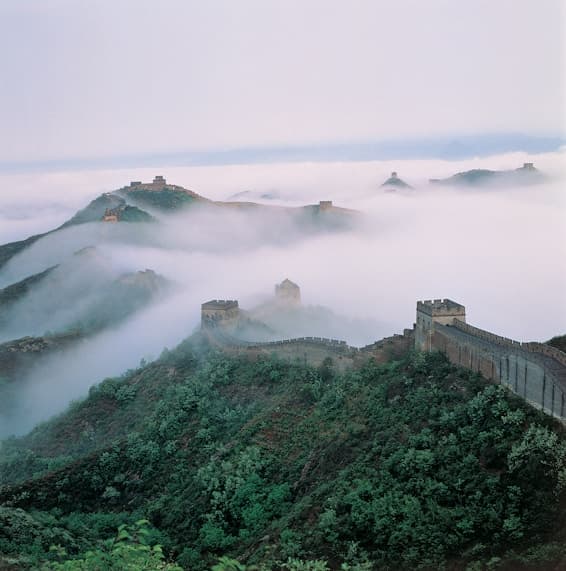
Khonsa is a hidden gem located in the easternmost part of India, nestled within the verdant hills of Arunachal Pradesh. As the headquarters of the Tirap district, it is a significant center for the Nocte tribe, where visitors can witness traditional customs and vibrant local markets. The town is characterized by its misty mornings, rolling green ridges, and a peaceful atmosphere that remains largely untouched by mainstream tourism. While the infrastructure is modest, the area provides unparalleled opportunities for cultural exploration and nature walks. It is a destination for the intrepid traveler looking to experience the raw beauty and diverse human tapestry of the Himalayan foothills.
Khonsa is a hidden gem located in the easternmost part of India, nestled within the verdant hills of Arunachal Pradesh. As the headquarters of the Tirap district, it is a significant center for the Nocte tribe, where visitors can witness traditional customs and vibrant local markets. The town is characterized by its misty mornings, rolling green ridges, and a peaceful atmosphere that remains largely untouched by mainstream tourism. While the infrastructure is modest, the area provides unparalleled opportunities for cultural exploration and nature walks. It is a destination for the intrepid traveler looking to experience the raw beauty and diverse human tapestry of the Himalayan foothills.
Gateway to the unique tribal cultures of the Nocte and Wancho people.
Surrounded by the lush, rolling hills of the Patkai mountain range.
Authentic, non-commercialized atmosphere of remote Northeast India.
Scenic trekking opportunities through verdant valleys and forests.
Limited luxury accommodation; most stays are basic guesthouses or government lodges.
The region is remote, and mobile connectivity can be inconsistent.
Monsoon season can lead to road blockages due to landslides.
Ensure you have the Inner Line Permit (ILP) for Indian citizens or the Protected Area Permit (PAP) for foreigners before traveling.
Visit the town center early in the morning to see local artisans selling traditional beadwork and bamboo crafts.
Cultural immersion and scenic mountain views.
INR ₹
$30-$60 p/day
Hindi, English, Nocte
Always seek permission before photographing tribal elders or entering community longhouses.
Roads can be winding and travel times longer than expected; hire a sturdy vehicle for the journey.
October to April
March to May offers pleasant temperatures and clear views, making it the best time for trekking.
June to August is the monsoon season; expect heavy rains and potential travel disruptions.
September to November features crisp air and lush greenery following the rains.
December to February is cold but dry, providing excellent visibility of the surrounding mountain peaks.


