Historical Context
Safdarjung Airport is a significant site for those interested in aviation history, as it was India's second airport.
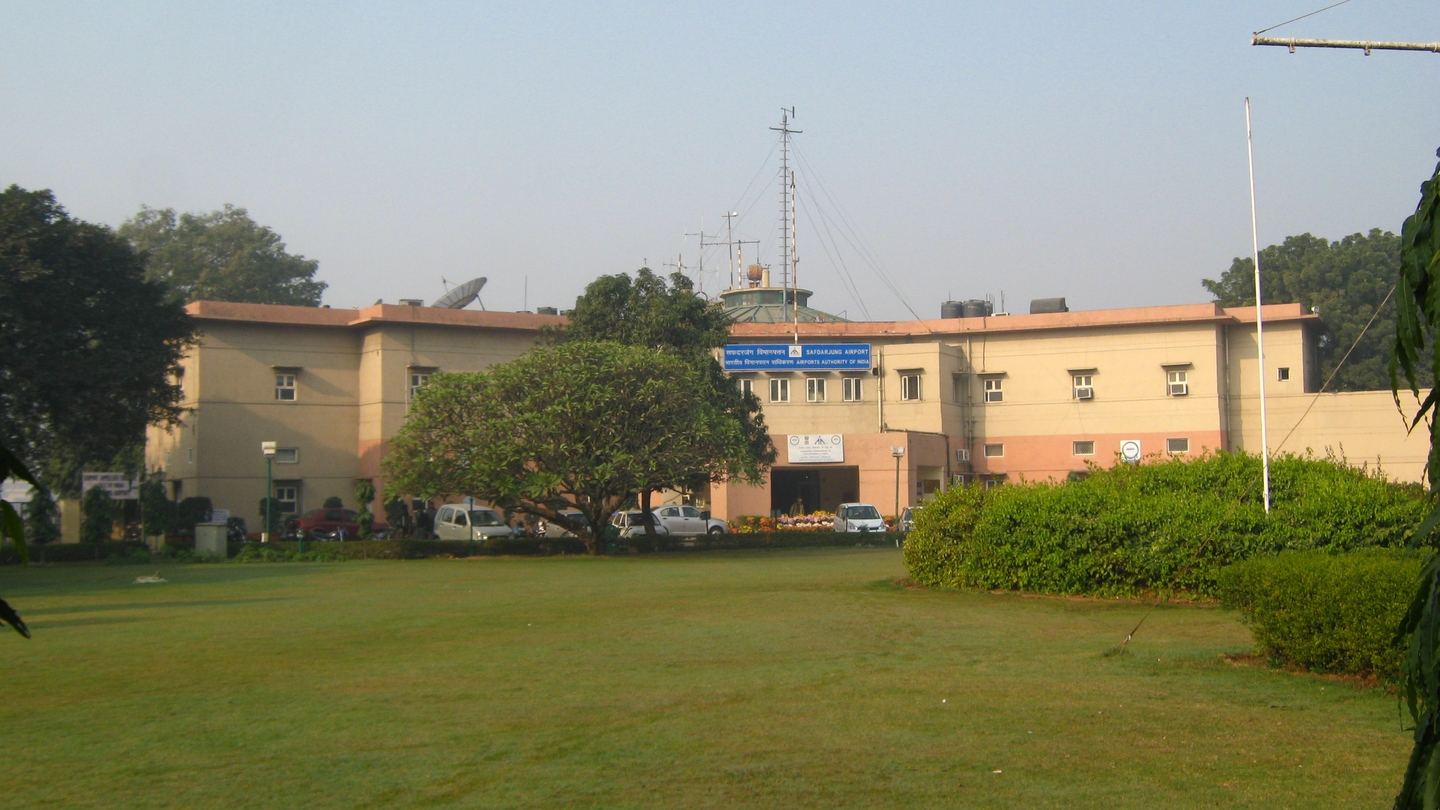
Safdarjung Airport, located in New Delhi, India, is a significant historical site in aviation history. Established in 1929 as Willingdon Airfield, it was the second airport in India and played a crucial role during WWII. Although it ceased commercial operations in the 1960s, it remains active for VVIP helicopter flights, including those for the President and Prime Minister. The airport also hosts the Ministry of Civil Aviation and the Airports Authority of India. While not open to the public for air travel, its historical importance and central location make it a notable landmark.
Safdarjung Airport, located in New Delhi, India, is a significant historical site in aviation history. Established in 1929 as Willingdon Airfield, it was the second airport in India and played a crucial role during WWII. Although it ceased commercial operations in the 1960s, it remains active for VVIP helicopter flights, including those for the President and Prime Minister. The airport also hosts the Ministry of Civil Aviation and the Airports Authority of India. While not open to the public for air travel, its historical importance and central location make it a notable landmark.
Historical significance as India's second airport.
Key role during WWII and early aviation milestones.
VVIP helicopter operations for government officials.
Home to the Ministry of Civil Aviation offices.
Surrounded by green spaces in central Delhi.
Not open to public for air travel.
Primarily serves VVIP operations.
Historical significance in aviation.
Safdarjung Airport is a significant site for those interested in aviation history, as it was India's second airport.
The airport is not open to the public for tours or recreational use.
Aviation enthusiasts and history buffs.
INR ₹
$50-$100 p/day
Hindi, English
Located near Safdarjung’s Tomb and Lodhi Gardens, offering additional historical sites to explore.
Tourists, History Lovers