Safari Bookings
Book your safari permits well in advance, especially during peak tourist seasons, as they sell out quickly.
Established in 1936, Jim Corbett National Park is a cornerstone of Indian wildlife conservation and a premier destination for nature lovers. Spanning over 500 square kilometers, the park features a stunning variety of terrain, including dense forests, open grasslands, and riverine belts that support a vast array of flora and fauna. Visitors can embark on organized jeep or elephant safaris to explore the wilderness and catch a glimpse of the elusive Bengal tiger. Beyond the thrill of the safari, the park provides educational opportunities through its visitor center, which details the history and conservation efforts of the region. Whether you are a dedicated bird watcher or an adventure seeker, the park offers an immersive experience in one of India's most iconic natural habitats.
Established in 1936, Jim Corbett National Park is a cornerstone of Indian wildlife conservation and a premier destination for nature lovers. Spanning over 500 square kilometers, the park features a stunning variety of terrain, including dense forests, open grasslands, and riverine belts that support a vast array of flora and fauna. Visitors can embark on organized jeep or elephant safaris to explore the wilderness and catch a glimpse of the elusive Bengal tiger. Beyond the thrill of the safari, the park provides educational opportunities through its visitor center, which details the history and conservation efforts of the region. Whether you are a dedicated bird watcher or an adventure seeker, the park offers an immersive experience in one of India's most iconic natural habitats.
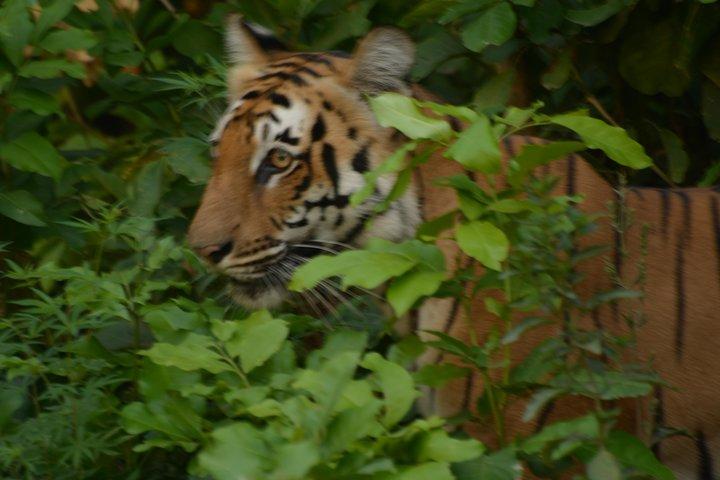
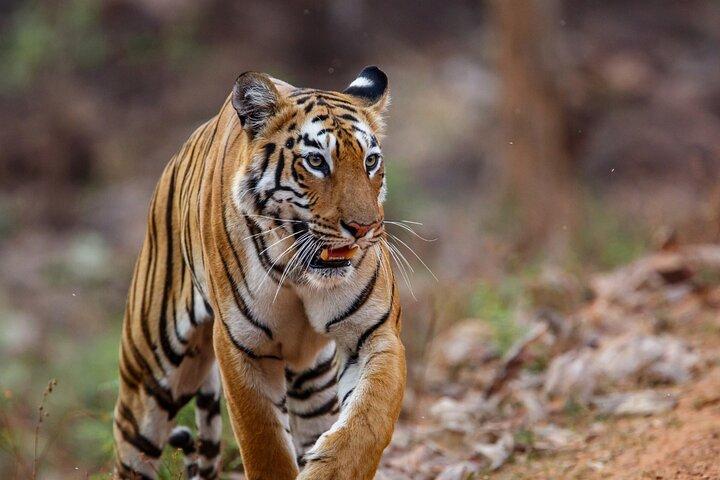
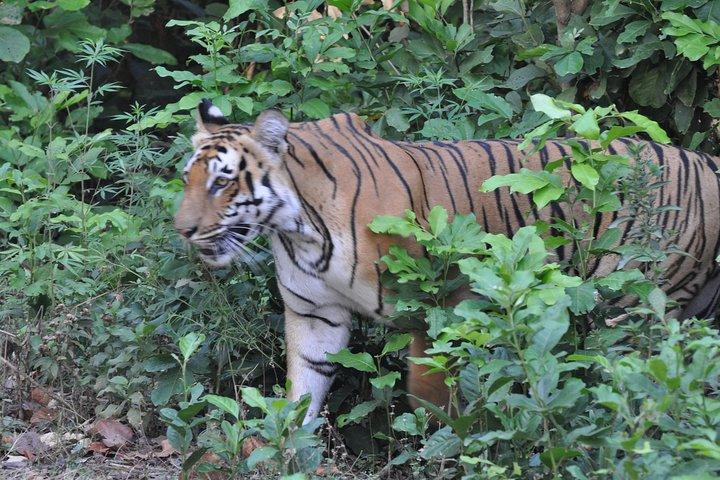
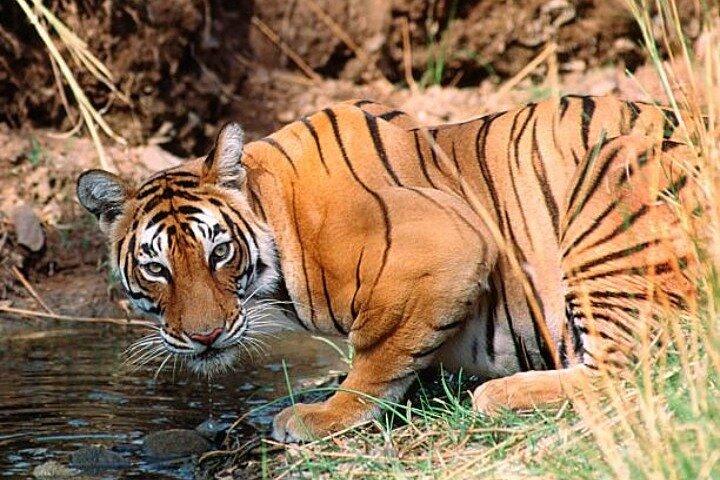
Home to a significant population of Bengal tigers.
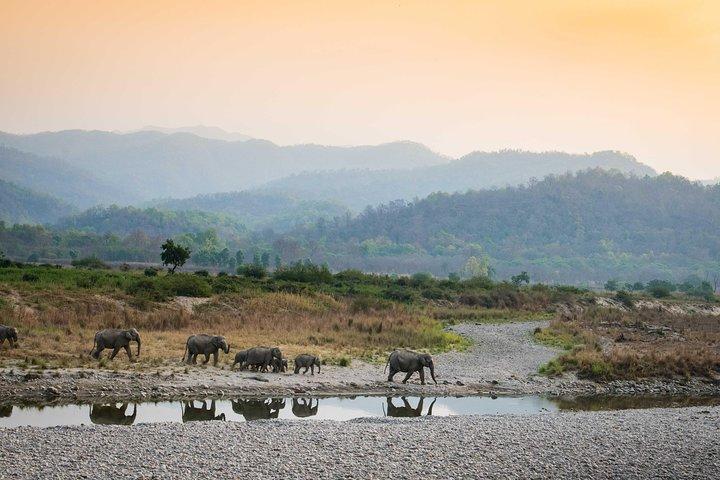
Diverse landscapes including grasslands and riverine belts.
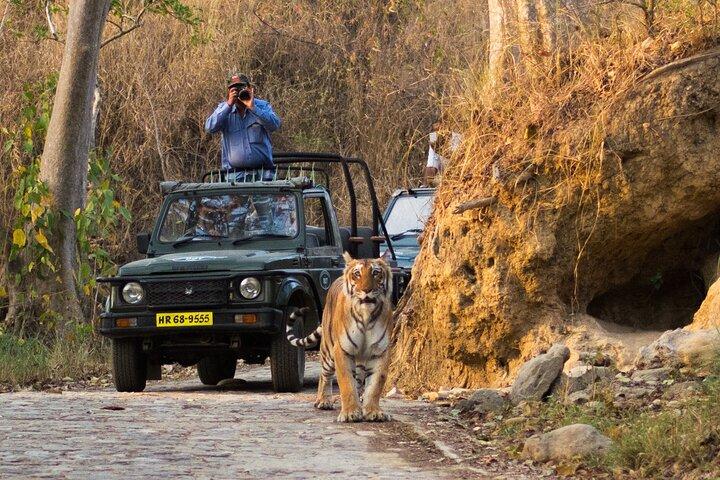
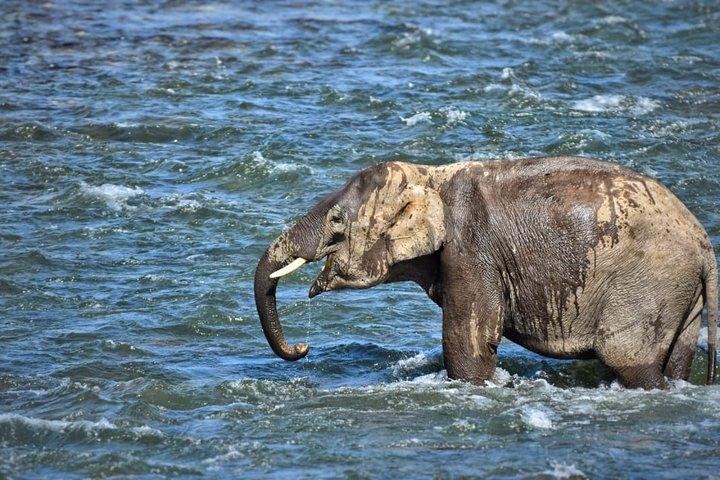
Organized jeep and elephant safari tours.
Comprehensive visitor center with conservation insights.
Excellent opportunities for bird watching.
The park is divided into different zones, each offering unique wildlife viewing experiences.
Weather conditions can significantly impact safari accessibility, particularly during the monsoon season.
Respect the local ecosystem by adhering to 'leave no trace' principles during your visit.
Book your safari permits well in advance, especially during peak tourist seasons, as they sell out quickly.
Carry binoculars and a camera with a good zoom lens to make the most of wildlife spotting opportunities.
Wildlife enthusiasts, safari seekers, and bird watchers.
INR ₹
$50-$150 p/day
Hindi, English
Wear neutral-colored clothing that blends with the forest environment to avoid startling the wildlife.
Always stay with your designated guide and follow park rules to ensure both your safety and the protection of the animals.
Carry plenty of water, as safari routes can be long and the weather in the forest can get quite warm.
November to June
The weather is pleasant and wildlife sightings are frequent as animals gather around water holes.
It gets quite hot, but this is the best time for spotting tigers as they venture out to water sources.
The park reopens after the monsoon, offering lush green landscapes and excellent bird watching.
Cool, comfortable weather makes for enjoyable safari rides, though mornings can be quite chilly.