Getting Around
The city center is very walkable, but renting a bicycle is recommended for reaching the outer temples and rural landscapes.

Sasayama, officially known as Tamba-Sasayama, is a cultural treasure nestled in the mountains of Hyōgo Prefecture. This former castle town retains its historical soul, particularly in the Kawaramachi merchant district where traditional buildings house small shops and cafes. Visitors can explore the site of Sasayama Castle, built by Tokugawa Ieyasu, or visit the many museums dedicated to local history and the arts. The area is also the gateway to Tamba-yaki pottery, one of Japan's ancient ceramic styles. Known for its rich agricultural heritage, the city is a must-visit for foodies looking to sample authentic regional ingredients like wild boar and premium black soybeans in a serene, slow-paced environment.
Sasayama, officially known as Tamba-Sasayama, is a cultural treasure nestled in the mountains of Hyōgo Prefecture. This former castle town retains its historical soul, particularly in the Kawaramachi merchant district where traditional buildings house small shops and cafes. Visitors can explore the site of Sasayama Castle, built by Tokugawa Ieyasu, or visit the many museums dedicated to local history and the arts. The area is also the gateway to Tamba-yaki pottery, one of Japan's ancient ceramic styles. Known for its rich agricultural heritage, the city is a must-visit for foodies looking to sample authentic regional ingredients like wild boar and premium black soybeans in a serene, slow-paced environment.
Well-preserved Edo-period streets and samurai residences.
Sasayama Castle ruins and the reconstructed Oshoin grand hall.
Famous regional specialties like Tamba black soybeans.
Proximity to ancient pottery kilns and artisan workshops.
Preserved historical atmosphere with many authentic Edo-period structures.
Famous for unique regional agricultural products and high-quality crafts.
Significantly quieter and less crowded than major tourist hubs like Kyoto.
Public transportation to and from the city can be less frequent than in urban centers.
The city center is very walkable, but renting a bicycle is recommended for reaching the outer temples and rural landscapes.
Don't leave without trying Tamba black soybean products, ranging from savory snacks to sweets and tea.
History enthusiasts and those seeking a quiet, traditional Japanese experience.
JPY ¥
$100-$150 p/day
Japanese, English
Purchase a combined entry ticket if you plan to visit multiple historical sites like the castle and the samurai residences.
Take a short bus or taxi ride to the nearby Tachikui Pottery Village to see traditional climbing kilns.
April-May, October-November
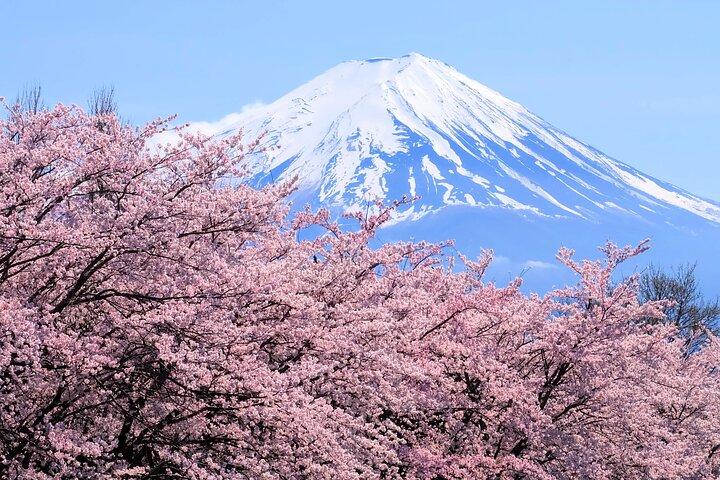
Cherry blossoms surround the castle ruins, creating a stunning backdrop for seasonal walks.
The Dekansho Festival in August brings the town to life with traditional folk dancing and music.
The harvest season offers the best local produce and vibrant autumn colors in the surrounding mountains.
A quiet time to enjoy the town's cozy atmosphere and traditional winter dishes like wild boar hot pot.