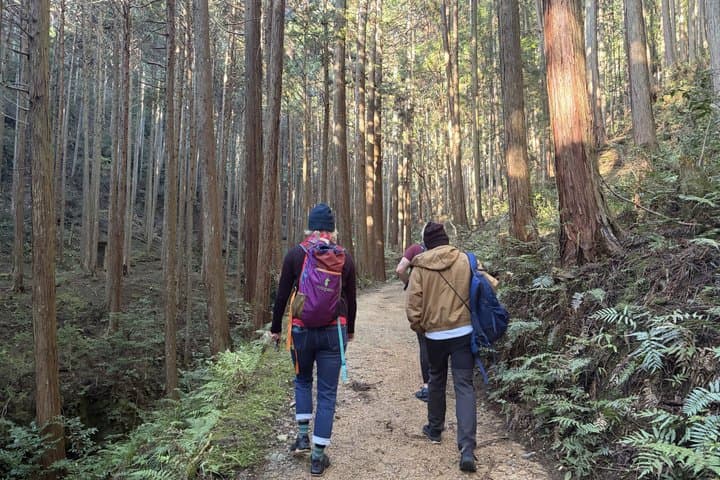
Getting Around
Rent an electric bicycle near Asuka Station to easily navigate the scattered archaeological sites across the valley.
Asuka is a peaceful village in Nara Prefecture that serves as a living museum of Japan's earliest history. Known as the site of the country's first imperial capitals, it is home to mysterious stone monuments, ancient burial mounds (kofun), and historic temples like Asuka-dera. The landscape is characterized by rolling hills and traditional rice paddies, making it a popular destination for cycling and walking tours. Visitors can experience a slower pace of life while uncovering the archaeological secrets of the Asuka period. The area is particularly beautiful during the autumn harvest and spring blossom seasons, providing a perfect backdrop for exploring Japan's cultural heritage.
Asuka is a peaceful village in Nara Prefecture that serves as a living museum of Japan's earliest history. Known as the site of the country's first imperial capitals, it is home to mysterious stone monuments, ancient burial mounds (kofun), and historic temples like Asuka-dera. The landscape is characterized by rolling hills and traditional rice paddies, making it a popular destination for cycling and walking tours. Visitors can experience a slower pace of life while uncovering the archaeological secrets of the Asuka period. The area is particularly beautiful during the autumn harvest and spring blossom seasons, providing a perfect backdrop for exploring Japan's cultural heritage.
Ancient Ishibutai Kofun stone tomb.
Scenic terraced rice paddies of Inabuchi.
Asuka-dera, one of Japan's oldest temples.
Mysterious granite carvings like Sakafune-ishi.
Well-maintained cycling paths through the valley.
Home to some of Japan's oldest archaeological discoveries.
Rural setting with limited dining options outside the main village center.
Best explored at a slow pace via bicycle or on foot.
Rent an electric bicycle near Asuka Station to easily navigate the scattered archaeological sites across the valley.
Visit the Ishibutai Kofun, a massive 7th-century stone tomb that is the village's most iconic landmark.
History enthusiasts and scenic rural cycling.
JPY ¥
$70-$130 p/day
Japanese, English
Walk through the Inabuchi rice terraces to see traditional Japanese agricultural landscapes at their finest.
March-May, September-November
Mild weather and cherry blossoms make it the most popular time for cycling through the ruins.
Hot and humid; plan outdoor activities for early morning and stay hydrated.
The harvest season offers stunning views of golden rice fields and vibrant red spider lilies.
Quiet and peaceful, though the landscape is more dormant and the air is chilly.