Cultural Etiquette
When visiting shrines like Kashihara-jingu, follow local customs such as bowing at the torii gate and purifying your hands at the temizuya.

Kashihara-shi, located in the heart of Nara Prefecture, is a destination steeped in history and tradition. Known as the site of Fujiwara-kyo, Japan's first capital, the city is a treasure trove for history enthusiasts and those looking to escape the more crowded tourist paths. Visitors can explore the vast, forested grounds of Kashihara-jingu Shrine or wander through the remarkably preserved streets of the Imaicho district, which retains the atmosphere of a wealthy Edo-period merchant town. The city provides a unique blend of archaeological significance and a relaxed, local atmosphere, serving as a perfect base for exploring the wider Yamato region.
Kashihara-shi, located in the heart of Nara Prefecture, is a destination steeped in history and tradition. Known as the site of Fujiwara-kyo, Japan's first capital, the city is a treasure trove for history enthusiasts and those looking to escape the more crowded tourist paths. Visitors can explore the vast, forested grounds of Kashihara-jingu Shrine or wander through the remarkably preserved streets of the Imaicho district, which retains the atmosphere of a wealthy Edo-period merchant town. The city provides a unique blend of archaeological significance and a relaxed, local atmosphere, serving as a perfect base for exploring the wider Yamato region.
Site of Fujiwara-kyo, Japan's first imperial capital.
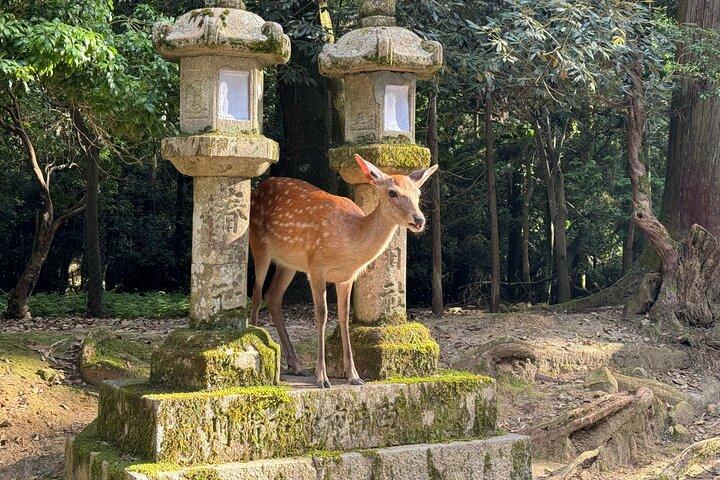
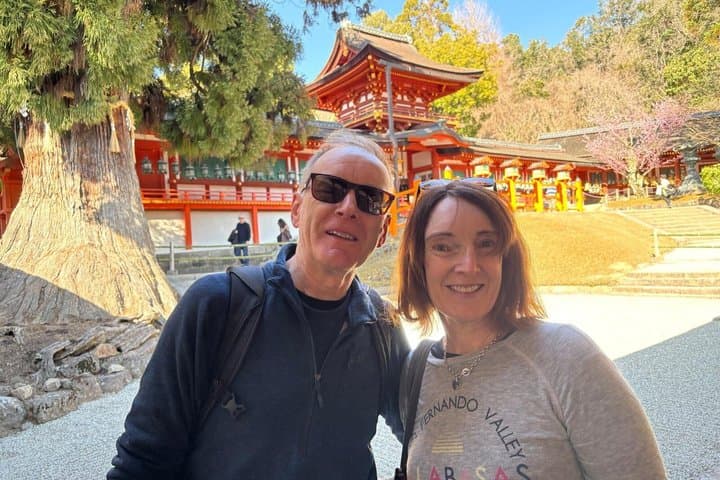
The grand and serene Kashihara-jingu Shrine.
Well-preserved Edo-period merchant houses in the Imaicho district.
Rich archaeological sites and local history museums.
Excellent rail connectivity to Nara, Osaka, and Kyoto.
The city is more spread out than Nara City, so some walking or local bus use is required.
It offers a much quieter nightlife compared to nearby Osaka.
Many historical sites and museums have early closing times, typically around 16:30 or 17:00.
When visiting shrines like Kashihara-jingu, follow local customs such as bowing at the torii gate and purifying your hands at the temizuya.
The city is a major hub for the Kintetsu Railway; use Yamato-Yagi or Kashiharajingu-mae stations for easy access to surrounding regions.
History enthusiasts and travelers seeking a quiet, traditional Japanese experience.
JPY ¥
$100-$150 p/day
Japanese, English
The Imaicho district is best explored on foot to fully appreciate the intricate details of the preserved historical buildings.
March-May, October-November
Spring is beautiful as cherry blossoms bloom around the shrine moats and local parks.
Summers are hot and humid; look for local festivals and enjoy the shaded areas of the shrine grounds.
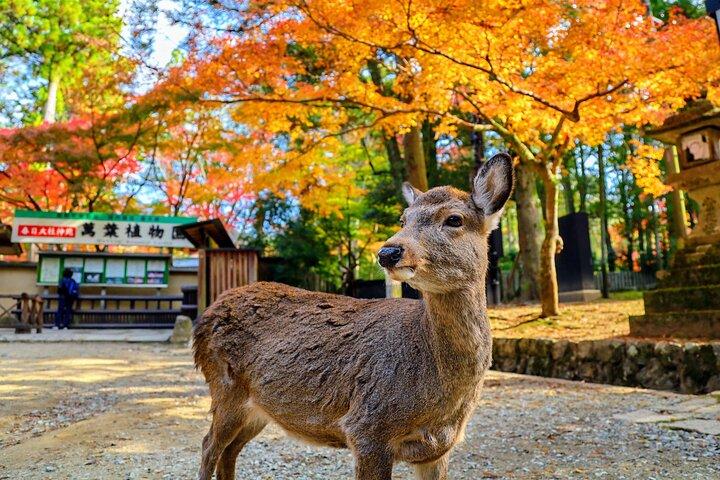
The autumn foliage in the Nara region is spectacular, and the cooler weather is perfect for exploring archaeological sites.
Winters are cold but often clear and dry, offering a peaceful time to visit without any crowds.