Getting Around
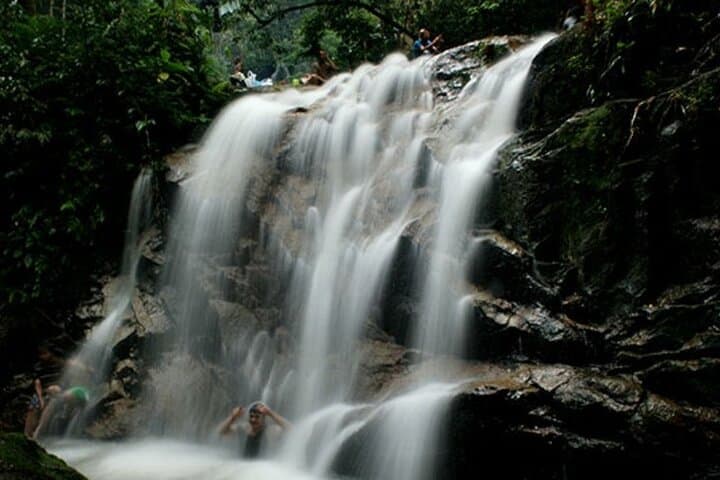
Rent a pink taxi van or a motorbike to easily navigate the island's perimeter road.

Pangkor is a scenic island retreat in the Perak region of Malaysia, offering a slower pace of life compared to the mainland. The island is characterized by its lush greenery, quiet coves, and active fishing communities. Visitors can explore the ruins of the Dutch Fort, watch hornbills gather at sunset, or enjoy water sports at Teluk Nipah. With a population of around 10,000, the island maintains a close-knit community feel, making it a perfect spot for travelers looking to experience genuine Malaysian coastal culture and fresh, locally-sourced cuisine.
Pangkor is a scenic island retreat in the Perak region of Malaysia, offering a slower pace of life compared to the mainland. The island is characterized by its lush greenery, quiet coves, and active fishing communities. Visitors can explore the ruins of the Dutch Fort, watch hornbills gather at sunset, or enjoy water sports at Teluk Nipah. With a population of around 10,000, the island maintains a close-knit community feel, making it a perfect spot for travelers looking to experience genuine Malaysian coastal culture and fresh, locally-sourced cuisine.
Pristine sandy beaches at Teluk Nipah and Pasir Bogak.
Abundant local wildlife including wild Oriental Pied Hornbills.
Historical 17th-century Dutch Fort at Teluk Gedung.
Fresh seafood markets and traditional fishing boat sightings.
Quieter and more local atmosphere than Langkawi or Penang.
Accessible via a short ferry ride from Lumut or Marina Island.
Limited nightlife compared to major Malaysian cities.
Rent a pink taxi van or a motorbike to easily navigate the island's perimeter road.
Keep an eye out for hornbills; they are very common on the island and often visit guest houses.
Relaxed beach holidays and authentic local seafood.
MYR RM
$40-$80 p/day
Malay, English
Visit the local markets for famous satay fish and other dried seafood products.
Head to Teluk Nipah for a lively atmosphere and water sports, or Pasir Bogak for a more central, convenient swim.
Tourists, Locals, Family, Solo
January-February, June-August
Warm and mostly dry, ideal for boat tours and exploring the historical sites.
Generally sunny and a popular time for local visitors; book accommodation in advance.
The start of the wetter season; expect afternoon rain showers but fewer crowds.
January and February are typically the driest months, offering excellent beach weather.