Getting Around
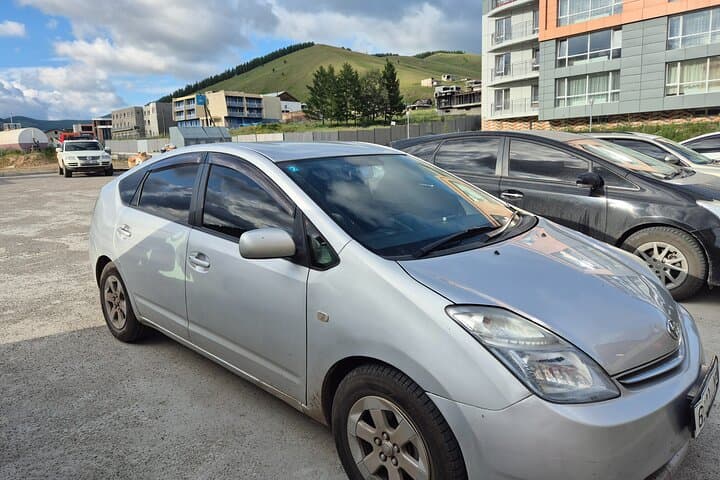
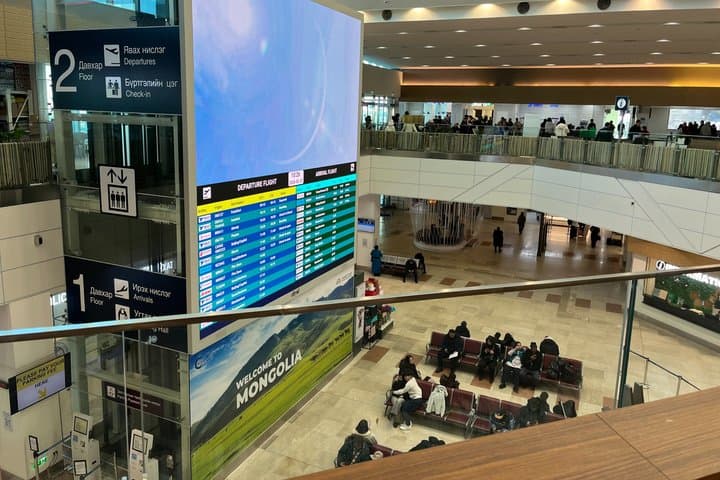
Ulan Bator has a developing public transport system, including buses and taxis, but traffic can be heavy.
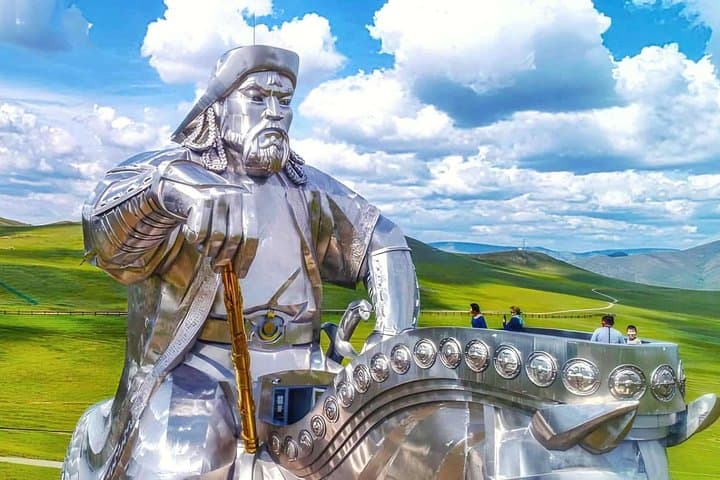
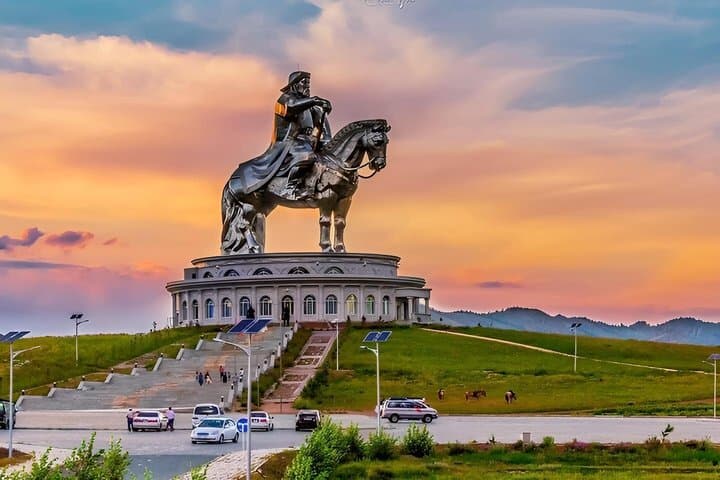
Ulan Bator, also known as Ulaanbaatar, is Mongolia's bustling capital city, offering a unique blend of historical and modern attractions. Founded in 1639 as a nomadic Buddhist monastic center, it has evolved into the country's cultural and industrial heart. Visitors can explore its rich Buddhist heritage, Soviet-era architecture, and witness the rapid urban growth that defines this vibrant city. Despite its cold climate and winter pollution challenges, Ulan Bator remains a central hub for transport and industry, drawing visitors interested in Mongolia's dynamic cultural landscape.
Ulan Bator, also known as Ulaanbaatar, is Mongolia's bustling capital city, offering a unique blend of historical and modern attractions. Founded in 1639 as a nomadic Buddhist monastic center, it has evolved into the country's cultural and industrial heart. Visitors can explore its rich Buddhist heritage, Soviet-era architecture, and witness the rapid urban growth that defines this vibrant city. Despite its cold climate and winter pollution challenges, Ulan Bator remains a central hub for transport and industry, drawing visitors interested in Mongolia's dynamic cultural landscape.
Rich Buddhist heritage with historical sites.
Dynamic urban growth and cultural fusion.
Cold climate with significant winter pollution.
Central hub for Mongolian transport and industry.
Cold climate with significant winter pollution.
Rich cultural and historical heritage.
Rapid urban growth with modern amenities.
Ulan Bator has a developing public transport system, including buses and taxis, but traffic can be heavy.
Try traditional Mongolian dishes like buuz and khuushuur at local eateries.
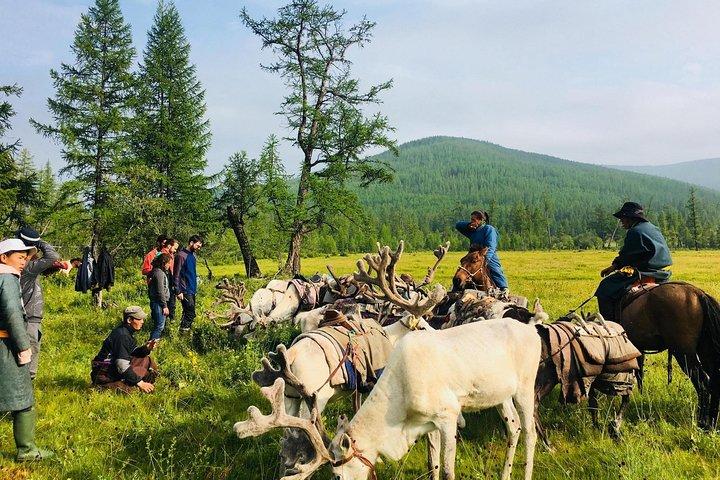
Cultural exploration and historical insights.
MNT ₮
$50-$100 p/day
Mongolian, English
Prepare for cold weather, especially in winter months, and consider air quality when planning outdoor activities.
Respect local customs and traditions, especially when visiting religious sites.
Cultural Exploration, Historical Sightseeing, Urban Adventure
April-JuneSeptember-October
Spring is a pleasant time to visit Ulan Bator with milder temperatures and blooming landscapes.
Summers are warm and suitable for exploring outdoor attractions and cultural festivals.
Autumn offers cooler temperatures and beautiful scenery, ideal for sightseeing.
Winters are extremely cold, and air pollution is at its peak, so plan indoor activities accordingly.