Guided Tours
Most visits to this region are part of strictly organized state-run tours, so ensure your itinerary includes Sariwon.
North Hwanghae serves as a vital corridor in North Korea, connecting the capital to the southern territories. The region is characterized by its dual nature: the fertile plains of the Migok Cooperative Farm represent its agricultural heart, while the city of Sariwon offers a curated experience of traditional Korean life at Folk Street. Nature enthusiasts can explore Mount Jongbang, home to the ancient Songbul Temple and panoramic views of the rugged terrain. This province provides a unique perspective on the country's industrious spirit and historical roots.
North Hwanghae serves as a vital corridor in North Korea, connecting the capital to the southern territories. The region is characterized by its dual nature: the fertile plains of the Migok Cooperative Farm represent its agricultural heart, while the city of Sariwon offers a curated experience of traditional Korean life at Folk Street. Nature enthusiasts can explore Mount Jongbang, home to the ancient Songbul Temple and panoramic views of the rugged terrain. This province provides a unique perspective on the country's industrious spirit and historical roots.
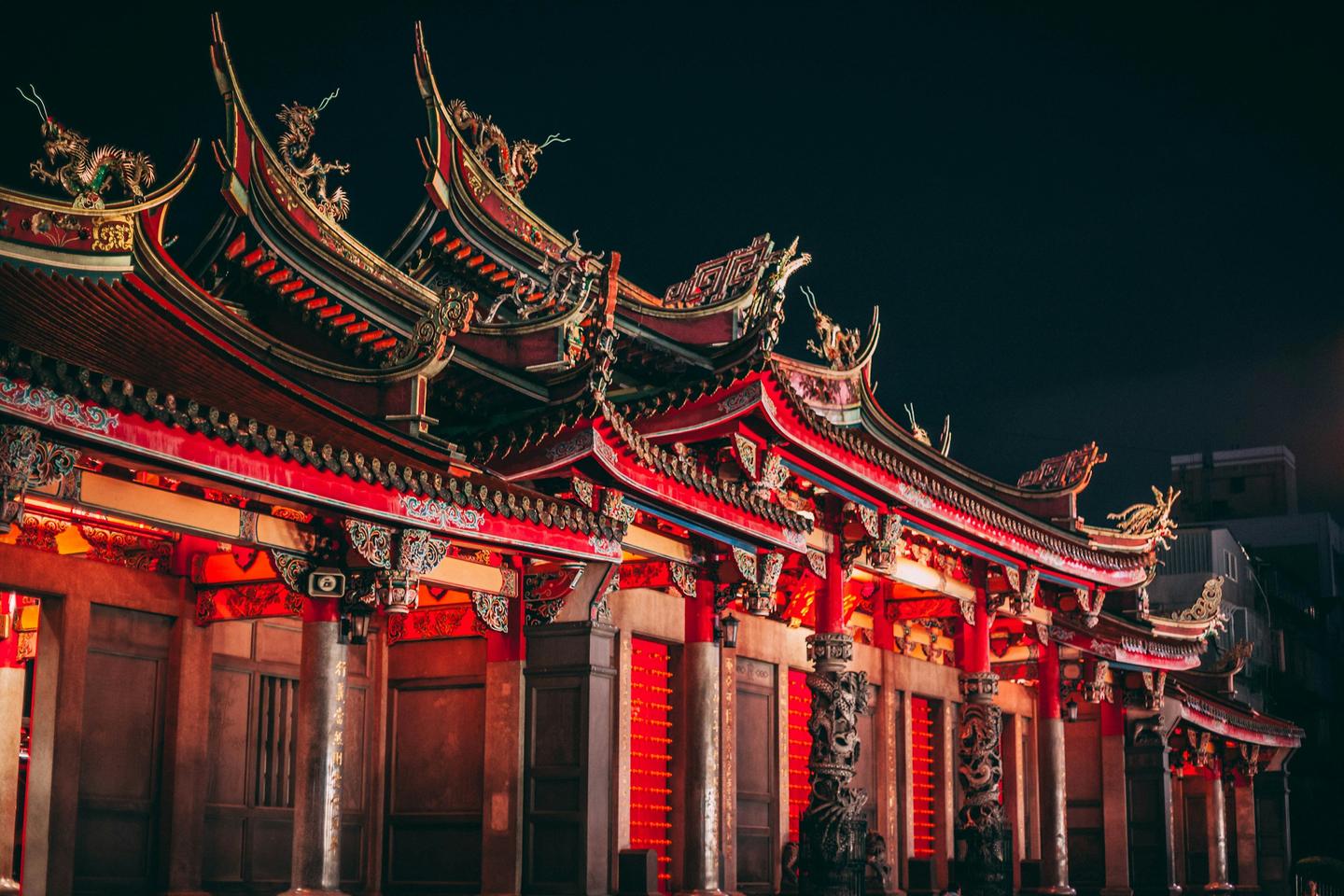
Sariwon Folk Street showcasing traditional Korean life.
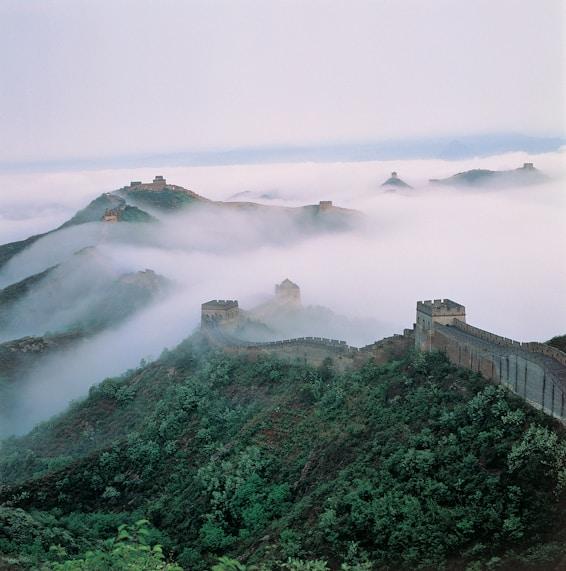
Mount Jongbang featuring the historic Songbul Temple.
Migok Cooperative Farm, a center for local agriculture.
Strategic gateway between the capital and southern provinces.
Limited independent travel as most visitors must be accompanied by official guides.
Significant agricultural and industrial landscape compared to more urbanized regions.
Home to important historical sites like the Songbul Temple on Mount Jongbang.
Most visits to this region are part of strictly organized state-run tours, so ensure your itinerary includes Sariwon.
Respect local traditions and political sensitivities, especially when visiting cooperative farms or monuments.
Cultural exploration and scenic mountain views.
KPW ₩
Korean
Always ask your guide before taking photos, particularly of industrial sites or local residents.
May-June, September-October
Mild temperatures make it a good time for visiting farms and outdoor historical sites.
Expect humid and rainy weather, which is the peak growing season for the region's vast farms.
Harvest season offers a unique look at the region's agricultural productivity under clear skies.
Cold and dry; some rural areas may be more difficult to access due to snow.