Guided Tours
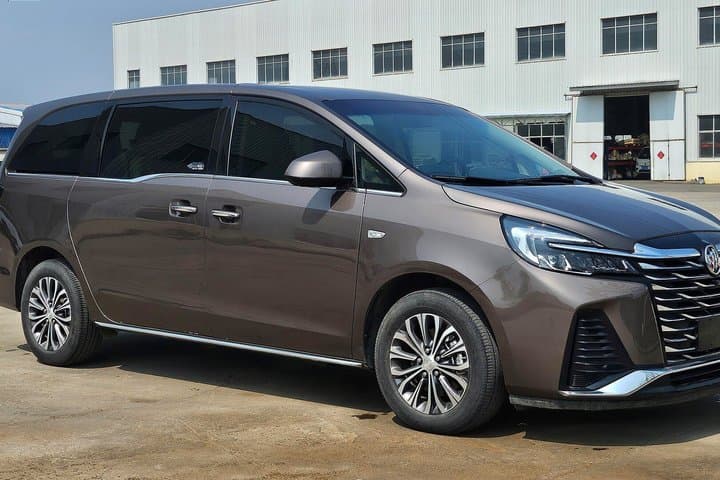
Most visitors can only explore the city through strictly organized, state-sanctioned guided tours.
Pyongyang stands as the definitive political and cultural center of North Korea. Rebuilt extensively with Soviet assistance after the Korean War, the city showcases a distinct architectural style characterized by wide boulevards and grand monuments. Beyond its modern political significance, it holds deep roots in Korean history, having served as the capital for the ancient kingdoms of Gojoseon and Goguryeo. Today, it remains the nation's industrial and transport hub, housing the headquarters of the Workers' Party and major government institutions, all set against the backdrop of the Taedong River.
Pyongyang stands as the definitive political and cultural center of North Korea. Rebuilt extensively with Soviet assistance after the Korean War, the city showcases a distinct architectural style characterized by wide boulevards and grand monuments. Beyond its modern political significance, it holds deep roots in Korean history, having served as the capital for the ancient kingdoms of Gojoseon and Goguryeo. Today, it remains the nation's industrial and transport hub, housing the headquarters of the Workers' Party and major government institutions, all set against the backdrop of the Taedong River.
Strategic location along the scenic Taedong River.
Unique Soviet-influenced architectural landscape rebuilt post-1953.
Rich historical legacy as the capital of ancient Korean kingdoms.
Central hub for North Korea's major government institutions.
Strict travel regulations and the requirement of authorized guides for all movements.
Limited access to international internet services and mobile networks for visitors.
Significant historical sites dating back to the Goguryeo and Gojoseon kingdoms.
Most visitors can only explore the city through strictly organized, state-sanctioned guided tours.
Always ask your guides before taking photos, especially of military personnel or construction sites.
Political history and monumental Soviet-style architecture.
KPW ₩
$100-$200 p/day
Korean
Showing respect at national monuments and statues of leaders is a mandatory part of the local culture.
April-June, September-October
Mild temperatures make it a pleasant time for seeing the city's parks and monuments.
Can be hot and humid with significant rainfall; outdoor sightseeing may be interrupted.
Clear skies and cooler weather provide the best conditions for exploring the urban landscape.
Cold and dry, often with snow, offering a stark and quiet perspective of the city's architecture.