Historical Context
Learn about the Battle of the Chosin Reservoir to fully appreciate the area's significance.
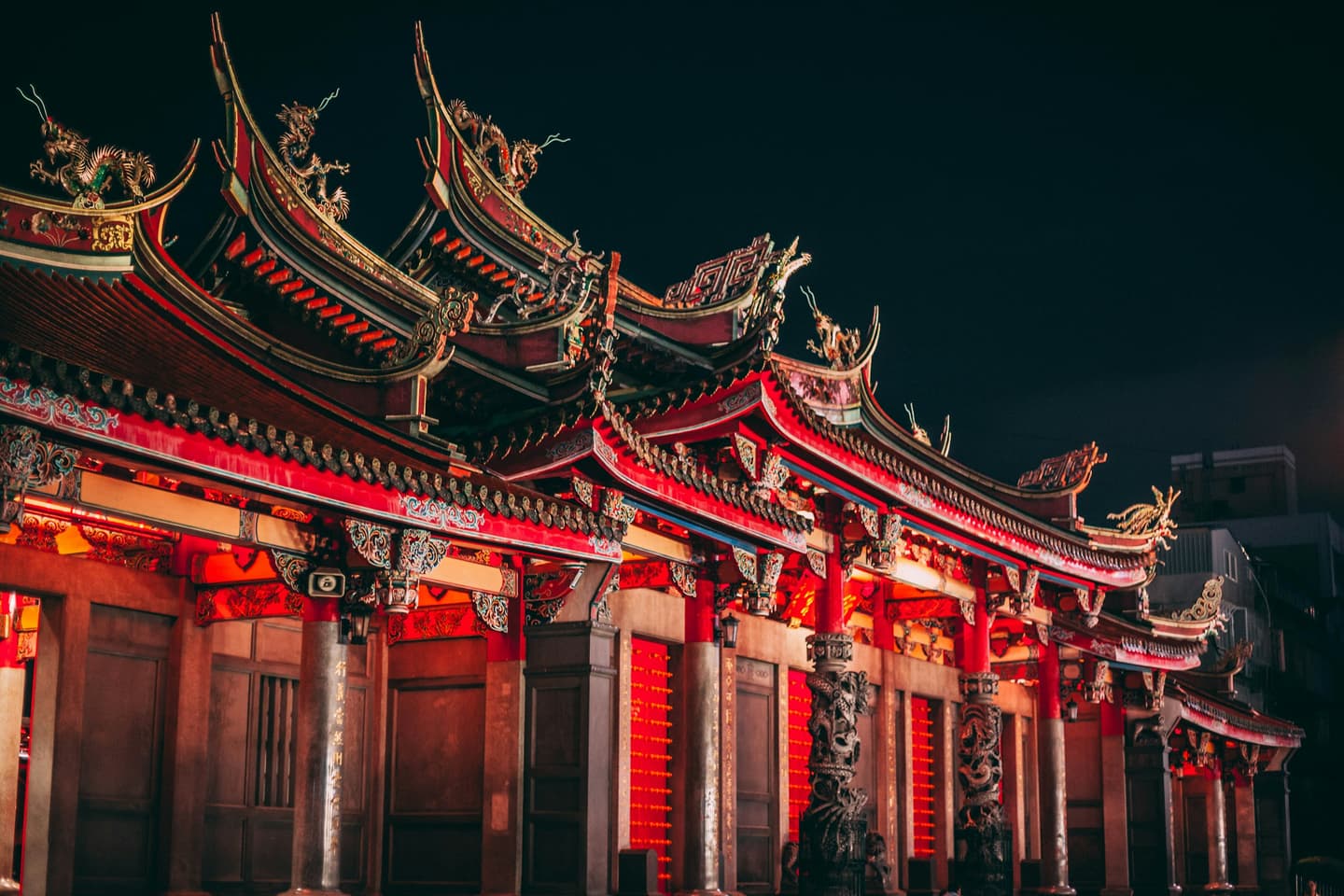
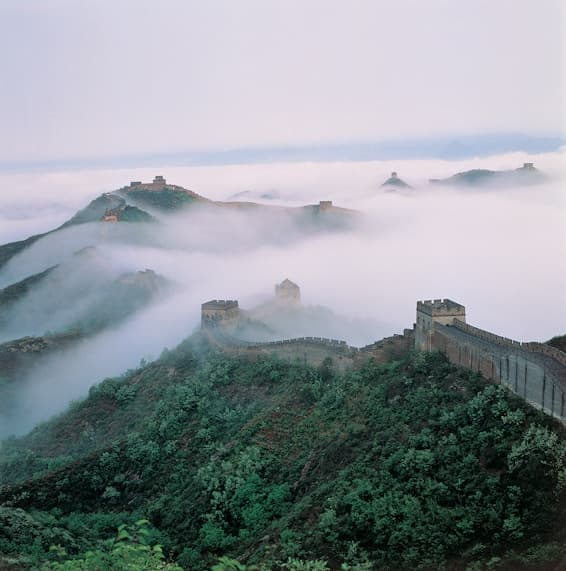



Changjin-gun, located in the rugged terrain of South Hamgyong Province, North Korea, is a place of both natural beauty and historical importance. The county is famously known for the Battle of the Chosin Reservoir during the Korean War, a significant event that left a lasting impact on the region. Visitors can explore the mountainous landscapes and reflect on the area's rich history. The climate is notably cold, adding to the remote and serene atmosphere of this unique destination.
Changjin-gun, located in the rugged terrain of South Hamgyong Province, North Korea, is a place of both natural beauty and historical importance. The county is famously known for the Battle of the Chosin Reservoir during the Korean War, a significant event that left a lasting impact on the region. Visitors can explore the mountainous landscapes and reflect on the area's rich history. The climate is notably cold, adding to the remote and serene atmosphere of this unique destination.
Site of the Battle of the Chosin Reservoir.
Mountainous landscapes.
Historical significance in the Korean War.
The region is known for its cold climate, especially in winter.
Changjin-gun holds significant historical importance due to the Korean War.
Remote location with limited access for international travelers.
Learn about the Battle of the Chosin Reservoir to fully appreciate the area's significance.
Prepare for cold weather, especially if visiting during the winter months.
History enthusiasts and nature lovers.
KPW ₩
Korean
History, Nature
Be aware of travel restrictions and necessary permissions when planning a visit to North Korea.
April-JuneSeptember-November
Spring offers milder weather, making it a more comfortable time to explore the mountainous terrain.
Summers are relatively mild, providing a good opportunity for hiking and outdoor activities.
Fall presents a picturesque landscape with changing foliage, ideal for photography.
Winters are harsh and cold, reflecting the historical conditions during the Korean War.