Getting Around
Muscat has limited public transportation, so renting a car or using taxis is recommended.
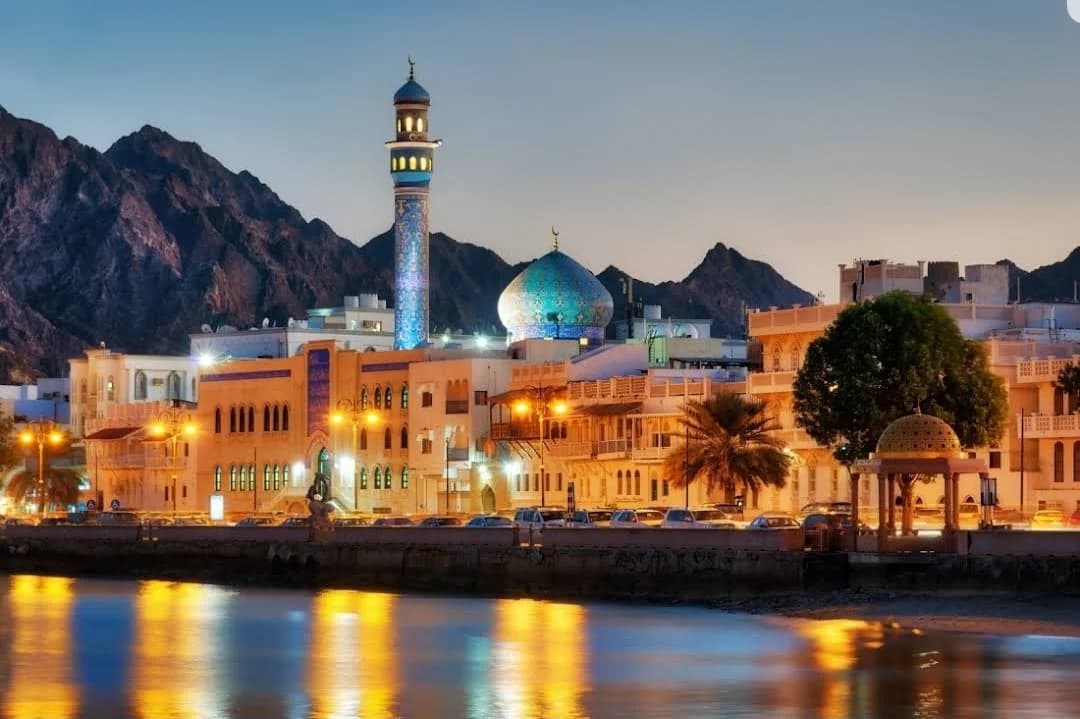
Muscat, the capital city of Oman, is a hub of cultural and historical significance. Nestled along the Gulf of Oman, it has been a vital port city since the early 1st century CE, attracting traders and settlers from various regions. The city is characterized by its low-lying white buildings, traditional architecture, and the striking backdrop of the Hajar Mountains. Muscat's economy thrives on trade, petroleum, and liquefied natural gas, making it a bustling metropolis with a multicultural population. The city offers a unique blend of the old and new, with its historic port district of Muttrah and modern infrastructural developments.
Muscat, the capital city of Oman, is a hub of cultural and historical significance. Nestled along the Gulf of Oman, it has been a vital port city since the early 1st century CE, attracting traders and settlers from various regions. The city is characterized by its low-lying white buildings, traditional architecture, and the striking backdrop of the Hajar Mountains. Muscat's economy thrives on trade, petroleum, and liquefied natural gas, making it a bustling metropolis with a multicultural population. The city offers a unique blend of the old and new, with its historic port district of Muttrah and modern infrastructural developments.
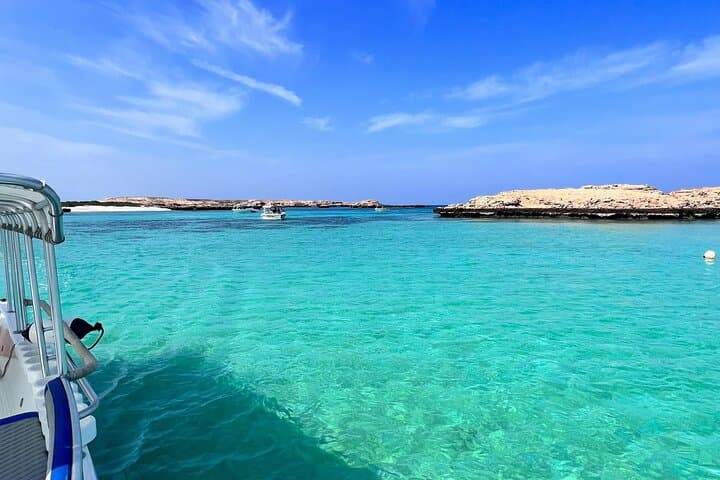
Strategic location along the Gulf of Oman.
Rich history with influences from various empires.
Blend of traditional and modern architecture.
Vibrant economy driven by trade and petroleum.
Diverse cultural influences and population.
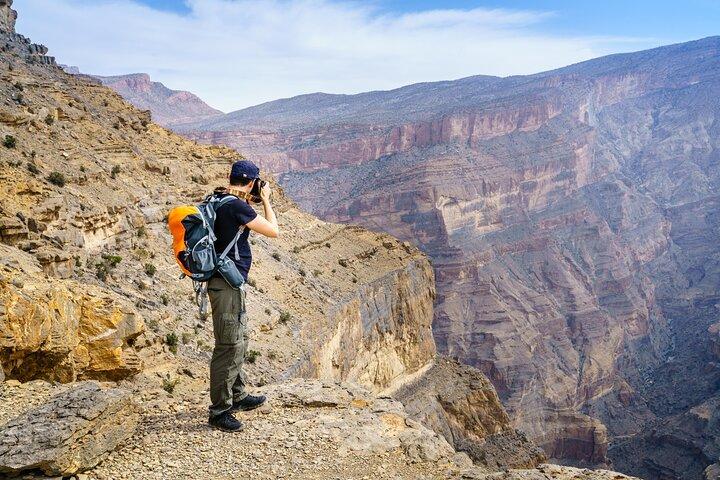
Close access to the Hajar Mountains, ideal for hiking and photography.
Rich cultural heritage with several museums and historical sites.
Strategic location makes it a key trade hub in the region.
Muscat has limited public transportation, so renting a car or using taxis is recommended.
Try traditional Omani dishes like shuwa and majboos at local restaurants.
Exploring Oman's cultural and historical heritage.
OMR ر.ع.
$100-$200 p/day
Arabic, English
Dress modestly, especially when visiting religious sites.
Muscat can be extremely hot in summer, so plan outdoor activities for early morning or evening.
Tourists, History Buffs, Culture Seekers
October-April
Spring offers mild temperatures, making it ideal for sightseeing and outdoor activities.
Summers are extremely hot; it's best to stay indoors during peak hours.
Fall sees pleasant weather, perfect for exploring the city and its surroundings.
Winters are mild, providing a comfortable climate for visiting attractions.