Getting Around
Gilgit is a key junction on the Karakoram Highway, offering road connections to major cities in Pakistan and China.
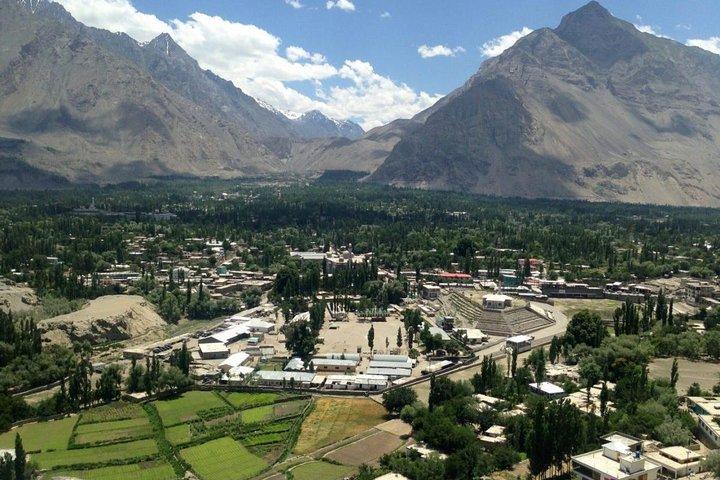
Gilgit, situated in the heart of Gilgit-Baltistan, Pakistan, serves as a major hub for trekking and mountaineering expeditions in the Karakoram mountain range. The city is steeped in history, having been a significant stop on the ancient Silk Road. Its location at the confluence of the Gilgit and Hunza rivers adds to its scenic beauty, making it a picturesque destination for adventurers and history enthusiasts alike. The local economy is largely agricultural, with wheat, maize, and barley as staple crops. Gilgit's unique blend of natural beauty and historical significance makes it a must-visit for those exploring Northern Pakistan.
Gilgit, situated in the heart of Gilgit-Baltistan, Pakistan, serves as a major hub for trekking and mountaineering expeditions in the Karakoram mountain range. The city is steeped in history, having been a significant stop on the ancient Silk Road. Its location at the confluence of the Gilgit and Hunza rivers adds to its scenic beauty, making it a picturesque destination for adventurers and history enthusiasts alike. The local economy is largely agricultural, with wheat, maize, and barley as staple crops. Gilgit's unique blend of natural beauty and historical significance makes it a must-visit for those exploring Northern Pakistan.
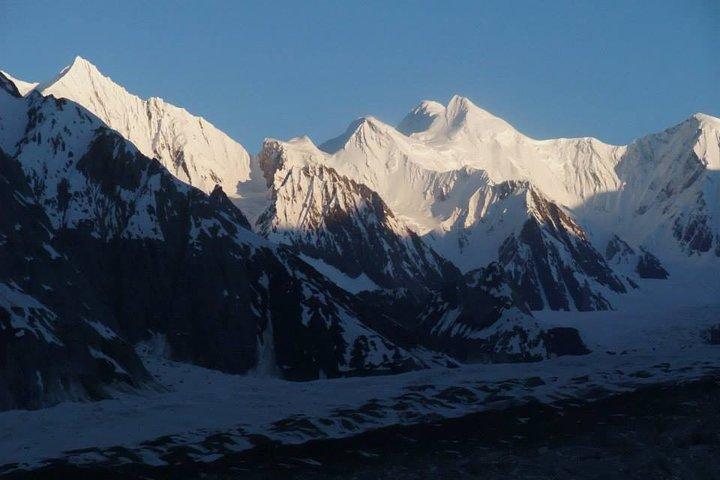
Gateway to the Karakoram mountain range.
Rich history as a Silk Road stop.
Confluence of Gilgit and Hunza rivers.
Cultural hub with historical significance.
Close access to the Karakoram mountain range, ideal for trekking and mountaineering.
Rich cultural heritage with historical significance as a Silk Road stop.
Beautiful natural surroundings with river confluences and scenic valleys.
Gilgit is a key junction on the Karakoram Highway, offering road connections to major cities in Pakistan and China.
Try local dishes made from fresh agricultural produce like wheat and barley.
Trekking and mountaineering adventures.
PKR ₨
$50-$100 p/day
Urdu, Shina, English
Ensure you are well-prepared for high-altitude trekking and check weather conditions before setting out.
Respect local customs and traditions, especially when visiting historical sites.
April-June, September-November
Spring is ideal for trekking with mild temperatures and blooming landscapes.
Summers are warm and busy with trekking activities, perfect for adventure seekers.
Autumn offers cooler weather and fewer tourists, ideal for exploring the city and its surroundings.
Winters can be harsh; however, the snow-capped mountains offer breathtaking views.