

Getting Around
Islamabad has a reliable public transportation system, including buses and taxis.
Islamabad, the capital city of Pakistan, is renowned for its modern architecture, planned layout, and lush green spaces. Developed in the 1960s, it replaced Karachi as the national capital and is known for its distinct zones, including residential, commercial, and diplomatic areas. The city is home to the Faisal Mosque, Pakistan's largest mosque, and offers numerous parks and natural attractions like the Margalla Hills National Park. With a high standard of living and a focus on safety, Islamabad is a hub for education and culture, hosting several universities and cultural landmarks.
Islamabad, the capital city of Pakistan, is renowned for its modern architecture, planned layout, and lush green spaces. Developed in the 1960s, it replaced Karachi as the national capital and is known for its distinct zones, including residential, commercial, and diplomatic areas. The city is home to the Faisal Mosque, Pakistan's largest mosque, and offers numerous parks and natural attractions like the Margalla Hills National Park. With a high standard of living and a focus on safety, Islamabad is a hub for education and culture, hosting several universities and cultural landmarks.
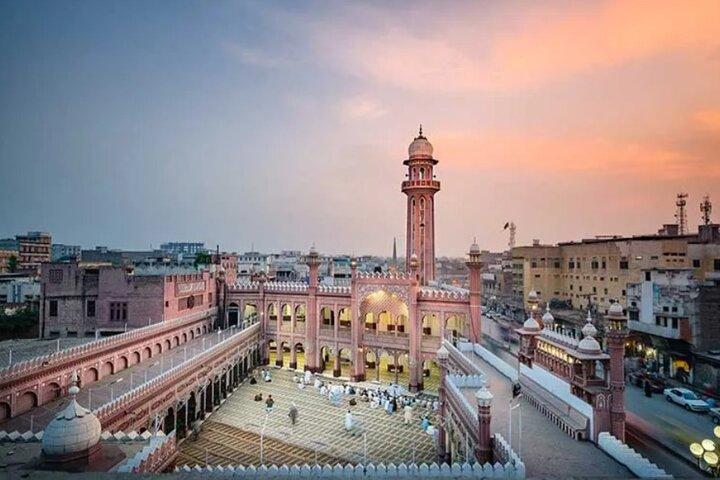
Home to the iconic Faisal Mosque.
Features the scenic Margalla Hills National Park.
Planned city with distinct zones for residential and commercial areas.
Known for its safety and high standard of living.
Hosts a variety of universities and educational institutions.
High cost of living compared to other Pakistani cities.
Known for its safety and organized infrastructure.
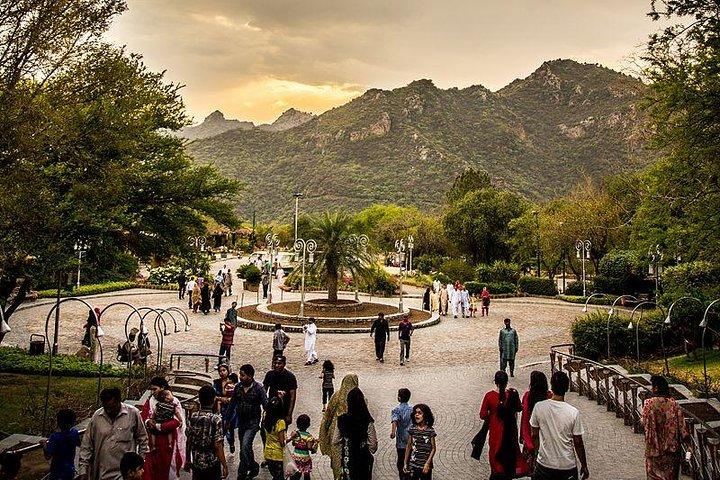
Abundant green spaces and parks for outdoor activities.
Islamabad has a reliable public transportation system, including buses and taxis.
Try local Pakistani dishes at various restaurants throughout the city.
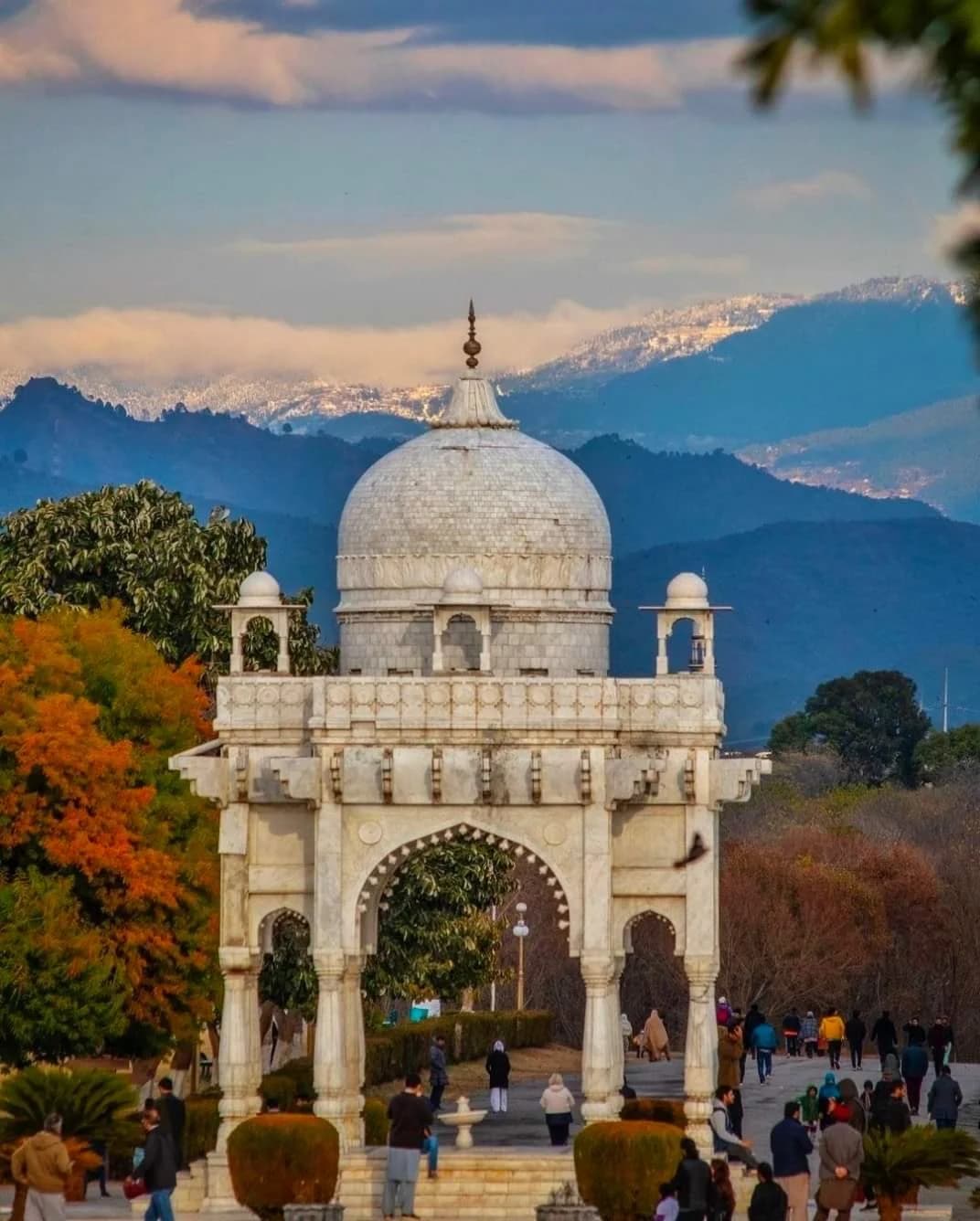
Exploring cultural landmarks and enjoying green spaces.
PKR ₨
$50-$100 p/day
Urdu, English
Islamabad is one of the safest cities in Pakistan, but it's always wise to stay alert.
Visit the Margalla Hills for hiking and panoramic views of the city.
Dress modestly and respect local customs when visiting religious sites.
Sightseeing, Cultural Exploration, Nature Lovers, Educational Trips
March-MaySeptember-November
Spring in Islamabad is pleasant with blooming flowers and mild temperatures, ideal for outdoor activities.
Summers can be hot, but the evenings are cooler, perfect for exploring the city.
Fall offers mild weather and is a great time to enjoy the city's parks and cultural sites.
Winters are cool and dry, making it a comfortable time for sightseeing.