Hire a Guide
To fully appreciate the historical context of the ruins, consider hiring a licensed local guide at the entrance.
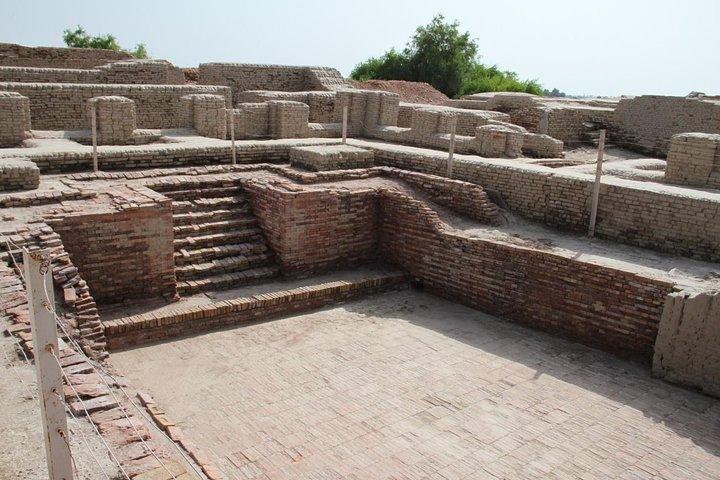
Harappa is one of the most significant archaeological sites in South Asia, located in the Punjab province of Pakistan. As a major center of the Indus Valley Civilization dating back to approximately 2600 BCE, the site provides an extraordinary window into the Bronze Age. Visitors can walk through the remains of a once-thriving city, observing the advanced brickwork and residential layouts that defined early urban life. The on-site Harappa Museum is a highlight, housing a vast collection of artifacts including the famous unicorn seals, terracotta figurines, and intricate jewelry. While much of the ancient city remains unexcavated, the visible ruins offer a powerful connection to the roots of human history and culture.
Harappa is one of the most significant archaeological sites in South Asia, located in the Punjab province of Pakistan. As a major center of the Indus Valley Civilization dating back to approximately 2600 BCE, the site provides an extraordinary window into the Bronze Age. Visitors can walk through the remains of a once-thriving city, observing the advanced brickwork and residential layouts that defined early urban life. The on-site Harappa Museum is a highlight, housing a vast collection of artifacts including the famous unicorn seals, terracotta figurines, and intricate jewelry. While much of the ancient city remains unexcavated, the visible ruins offer a powerful connection to the roots of human history and culture.
Excavated ruins of the 5,000-year-old Indus Valley Civilization.
Harappa Museum featuring ancient seals, pottery, and jewelry.
Remnants of sophisticated Bronze Age urban drainage systems.
The Great Granary and ancient residential quarters.
The site is a major historical landmark of the Indus Valley Civilization.
Modern amenities and dining options are limited in the immediate vicinity of the ruins.
Summer temperatures in Punjab can be extremely high, often exceeding 40°C (104°F).
To fully appreciate the historical context of the ruins, consider hiring a licensed local guide at the entrance.
The Harappa Museum contains the most significant artifacts found on-site; visit it before walking the grounds to better understand the ruins.
History buffs and archaeology enthusiasts.
PKR ₨
$30-$60 p/day
Punjabi, Urdu, English
Wear comfortable walking shoes as the site is expansive and involves walking on uneven, dusty paths.
October-March
Pleasant temperatures in March and April are ideal for exploring the outdoor ruins comfortably.
Extremely hot and dry; if visiting, go very early in the morning to avoid the intense midday sun.
October and November offer cooler, comfortable weather perfect for long walks through the archaeological site.
The peak season for visitors, featuring cool days and clear skies, though it can be chilly in the early mornings.