Arrival
The airport is small; tricycles are the most common way to reach nearby accommodations.
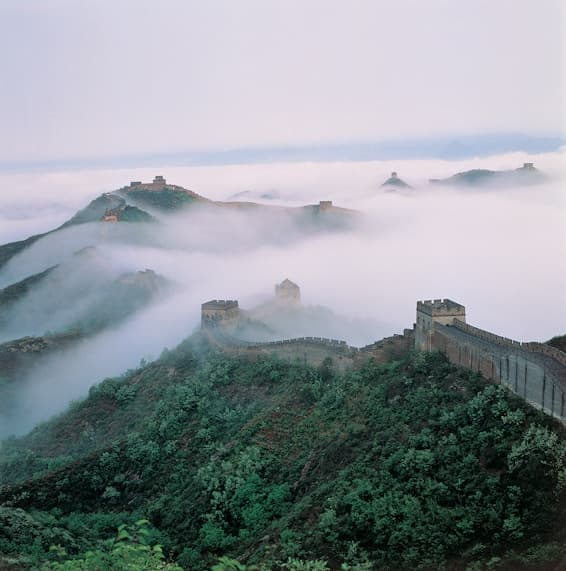

Sanga-Sanga is a small city located in the Tawi-Tawi province of the Autonomous Region in Muslim Mindanao. It is primarily known for hosting the Sanga-Sanga Airport, which is the lifeline connecting this remote archipelago to the rest of the Philippines. The town itself offers a slow-paced, coastal lifestyle and serves as a base for visitors heading to the nearby provincial capital of Bongao. From here, travelers can explore the sacred Bud Bongao mountain or take boats to the pristine, less-visited islands of the Sulu Sea. The area is characterized by its rich cultural heritage and stunning marine environments, making it a unique destination for off-the-beaten-path exploration.
Sanga-Sanga is a small city located in the Tawi-Tawi province of the Autonomous Region in Muslim Mindanao. It is primarily known for hosting the Sanga-Sanga Airport, which is the lifeline connecting this remote archipelago to the rest of the Philippines. The town itself offers a slow-paced, coastal lifestyle and serves as a base for visitors heading to the nearby provincial capital of Bongao. From here, travelers can explore the sacred Bud Bongao mountain or take boats to the pristine, less-visited islands of the Sulu Sea. The area is characterized by its rich cultural heritage and stunning marine environments, making it a unique destination for off-the-beaten-path exploration.
Primary gateway via Sanga-Sanga Airport.
Access to the scenic Bud Bongao hiking trails.
Proximity to untouched white sand beaches.
Limited tourism infrastructure compared to northern provinces.
Main transit point for the Tawi-Tawi island group.
Beautiful, unspoiled natural scenery and marine life.
The airport is small; tricycles are the most common way to reach nearby accommodations.
Respect the local culture by dressing modestly and asking permission before taking photos of people.
Adventurous travelers and island hoppers.
PHP ₱
$30-$50 p/day
Tausug, Sama, English
Ensure you have enough Philippine Pesos before arriving, as banking facilities are limited.
March-May
The best time to visit with calm seas and clear skies for island hopping.
Very hot and humid; plan outdoor activities for early morning or late afternoon.
The start of the rainy season; sea travel may be affected by weather conditions.
Generally cooler and pleasant, though sea conditions can be choppy.