

Getting Around
The most common way to get around is by tricycle or habal-habal (motorcycle taxi) for short distances.
Culaba is a small, inviting municipality situated on the eastern coast of Biliran Island in the Philippines. With a modest population and a lifestyle deeply connected to the sea and land, it provides a stark contrast to the country's bustling urban centers. Visitors can enjoy the tranquil environment, scenic coastal vistas, and the warm hospitality of a close-knit community. While it remains largely untouched by mass tourism, it serves as an excellent base for those looking to explore the rugged mountains and waterfalls of the wider Biliran region, offering a truly local perspective on island life.
Culaba is a small, inviting municipality situated on the eastern coast of Biliran Island in the Philippines. With a modest population and a lifestyle deeply connected to the sea and land, it provides a stark contrast to the country's bustling urban centers. Visitors can enjoy the tranquil environment, scenic coastal vistas, and the warm hospitality of a close-knit community. While it remains largely untouched by mass tourism, it serves as an excellent base for those looking to explore the rugged mountains and waterfalls of the wider Biliran region, offering a truly local perspective on island life.
Scenic views of the Biliran Strait.
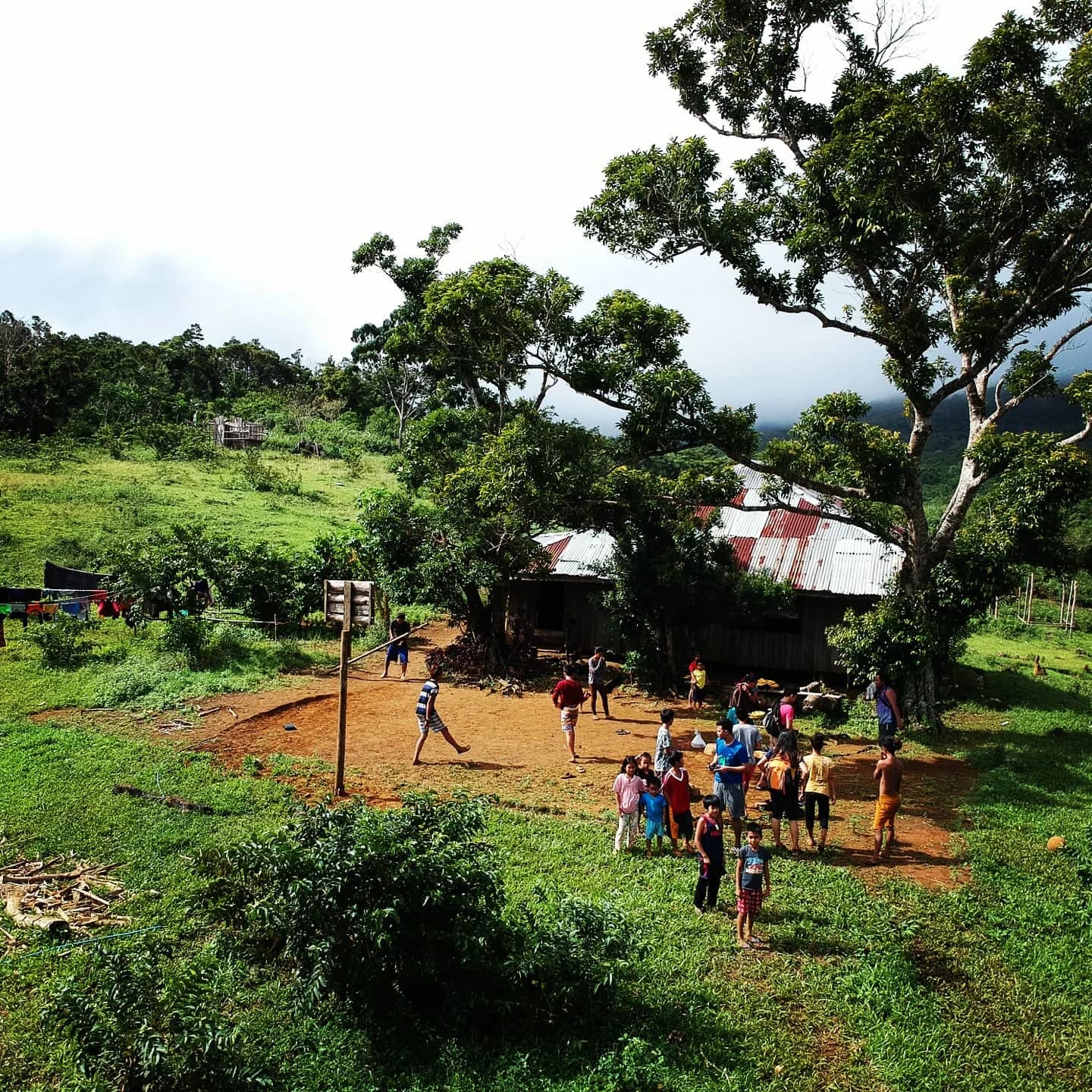
Authentic rural Filipino community atmosphere.
Gateway to exploring the natural beauty of Biliran province.
Quiet coastal roads perfect for slow-paced travel.
Limited tourist infrastructure compared to major Philippine destinations.
Beautiful coastal scenery but fewer developed commercial beach resorts.
Best suited for travelers who enjoy slow-paced, local-centric exploration.
The most common way to get around is by tricycle or habal-habal (motorcycle taxi) for short distances.
Expect a very quiet atmosphere; most local establishments close early in the evening.
Quiet coastal retreats and authentic local experiences.
PHP ₱
$20-$40 p/day
Waray-Waray, Cebuano, English
Mobile signal can be spotty in certain areas, so it is wise to download offline maps before arriving.
March-May
March to May is the dry season, offering the best weather for exploring the coast and nearby hills.
June to August can be hot with occasional rain showers; still good for travel but stay hydrated.
September to November marks the start of the wetter season; keep an eye on weather forecasts for tropical depressions.
December to February is cooler and can be quite rainy in the Eastern Visayas region.