Maehwa Festival
Visit in mid-to-late March to catch the plum blossoms at their peak in Daemak-ri village.
Situated along the southern coast of South Korea, Gwangyang is a city defined by its dual identity. As the site of the Gwangyang Steelworks and a major international container terminal, it serves as a vital engine for the nation's economy. However, the city is equally famous for its natural splendor. Every March, the Maehwa Village is blanketed in white and pink plum blossoms, drawing visitors from across the country to the banks of the Seomjin River. Beyond the flowers, the rugged peaks of Baegunsan Mountain provide excellent hiking opportunities and panoramic views of the bay, while the city's food culture offers a taste of authentic Jeolla province flavors.
Situated along the southern coast of South Korea, Gwangyang is a city defined by its dual identity. As the site of the Gwangyang Steelworks and a major international container terminal, it serves as a vital engine for the nation's economy. However, the city is equally famous for its natural splendor. Every March, the Maehwa Village is blanketed in white and pink plum blossoms, drawing visitors from across the country to the banks of the Seomjin River. Beyond the flowers, the rugged peaks of Baegunsan Mountain provide excellent hiking opportunities and panoramic views of the bay, while the city's food culture offers a taste of authentic Jeolla province flavors.
Home to one of the world's largest and most advanced steelworks.
Famous for the Gwangyang Maehwa Festival, featuring vast plum blossom orchards.
Breathtaking views of the Seomjin River and surrounding mountains.
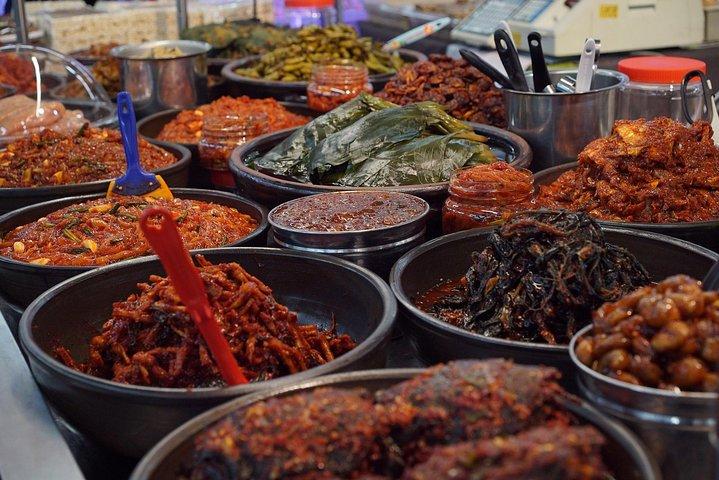
Renowned local culinary scene, specifically its unique charcoal-grilled bulgogi.
The city has a heavy industrial atmosphere in certain districts which may not suit all leisure travelers.
Traffic can be extremely heavy during the peak of the Plum Blossom Festival.
Public transportation to the more remote scenic areas can be infrequent.
Visit in mid-to-late March to catch the plum blossoms at their peak in Daemak-ri village.
Don't leave without trying Gwangyang Bulgogi, which is seasoned and grilled over high-quality charcoal.
Spring blossom viewing and exploring South Korea's industrial landscape.
KRW ₩
$70-$120 p/day
Korean, English
While the city center is accessible, renting a car is recommended to reach the mountain trails and riverside orchards.
Look for opportunities to tour the POSCO steelworks, though these often require advance booking.
March-May, September-November
The most popular time to visit, specifically March for blossoms and April for mild hiking.
Hot and humid with occasional heavy rains; coastal areas offer a slight breeze.
Excellent weather for outdoor activities and enjoying the changing foliage on Baegunsan Mountain.
Cold and dry; a quiet season suitable for visiting urban cultural sites without the crowds.