Physical Preparation
The climb to the top involves 1,200 steps; ensure you are in reasonably good health and stay hydrated.
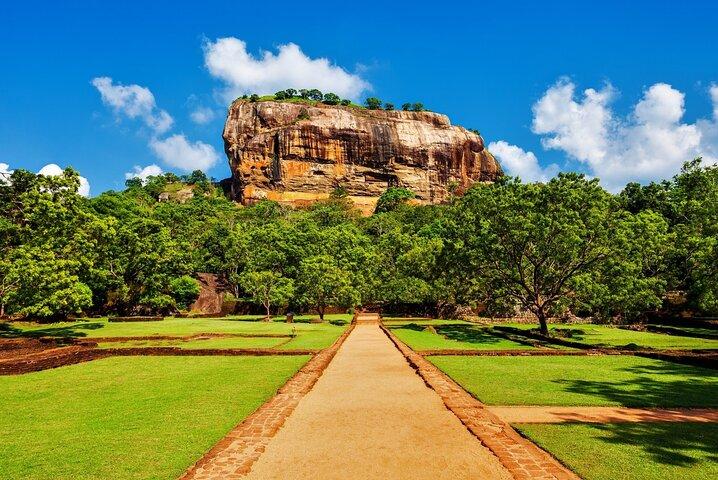
Sigiriya, also known as the Lion Rock, is a premier archaeological site and UNESCO World Heritage destination in Sri Lanka. Rising 180 meters above the surrounding plains, this massive granite peak was chosen by King Kashyapa in the 5th century as the site for his new capital and sky palace. The ascent takes visitors past the famous Sigiriya frescoes—vibrant paintings of celestial maidens—and through the remains of the colossal Lion Gate. Beyond its defensive capabilities, the site is a masterpiece of ancient urban planning, featuring intricate water gardens and boulder gardens at its base. After the royal era, it served as a Buddhist monastery, leaving behind a rich legacy of spiritual and architectural history. Today, it remains one of the most visited landmarks in Sri Lanka, offering a unique window into the island's royal past.
Sigiriya, also known as the Lion Rock, is a premier archaeological site and UNESCO World Heritage destination in Sri Lanka. Rising 180 meters above the surrounding plains, this massive granite peak was chosen by King Kashyapa in the 5th century as the site for his new capital and sky palace. The ascent takes visitors past the famous Sigiriya frescoes—vibrant paintings of celestial maidens—and through the remains of the colossal Lion Gate. Beyond its defensive capabilities, the site is a masterpiece of ancient urban planning, featuring intricate water gardens and boulder gardens at its base. After the royal era, it served as a Buddhist monastery, leaving behind a rich legacy of spiritual and architectural history. Today, it remains one of the most visited landmarks in Sri Lanka, offering a unique window into the island's royal past.
Massive 180-meter high granite rock fortress.
Ancient colorful frescoes decorating the rock face.
Enormous lion-shaped gateway known as Sinhagiri.
Well-preserved examples of ancient urban planning.
UNESCO World Heritage status with rich archaeological history.
Significant physical effort required to reach the summit.
Exposure to heights on the staircases clinging to the rock side.
UNESCO World Heritage site with strict conservation rules.
The climb to the top involves 1,200 steps; ensure you are in reasonably good health and stay hydrated.
Consider hiring a licensed guide at the entrance to fully appreciate the complex history and urban planning.
History buffs, hikers, and cultural explorers.
LKR ₨
$50-$100 p/day
Sinhala, Tamil, English
Be aware of monkeys around the site; keep food and loose belongings secure.
January-March
March and April are hot but dry, offering clear views from the summit.
Expect high temperatures; the surrounding greenery is lush, but the climb is best done at dawn.
The monsoon season can bring heavy rains, which might make the rock paths slippery.
The most popular time to visit due to cooler temperatures and dry conditions.