Historical Context
Arabia Petraea was a Roman province from the 2nd to the 7th century, known for its strategic importance.





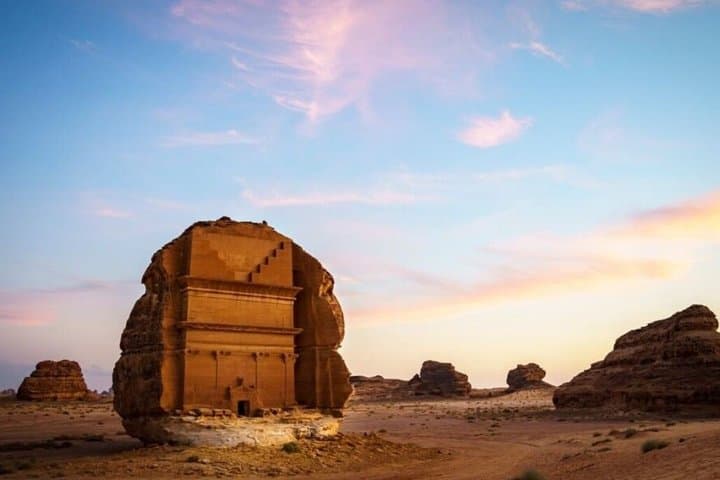
Arabia Petraea, located in modern-day Syria, was a Roman province established after the conquest of the Nabataean Kingdom in 106 AD. This region played a crucial role in the Roman Empire, serving as a strategic location along the Limes Arabicus. The province was known for its vast desert landscapes and urban settlements near the Jordan River. Visitors can explore the remnants of its Roman past and gain insights into its historical significance during the Roman and Byzantine periods.
Arabia Petraea, located in modern-day Syria, was a Roman province established after the conquest of the Nabataean Kingdom in 106 AD. This region played a crucial role in the Roman Empire, serving as a strategic location along the Limes Arabicus. The province was known for its vast desert landscapes and urban settlements near the Jordan River. Visitors can explore the remnants of its Roman past and gain insights into its historical significance during the Roman and Byzantine periods.
Roman provincial history
Archaeological significance
Connection to Nabataean Kingdom
Rich in Roman history and archaeological sites.
Once a key province in the Roman Empire.
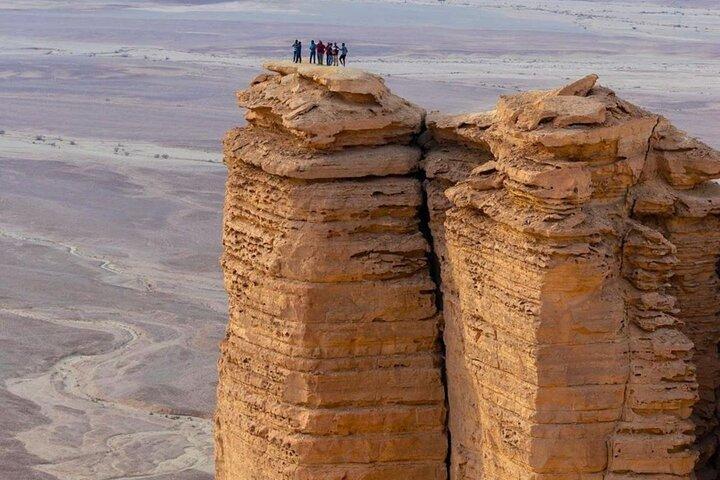
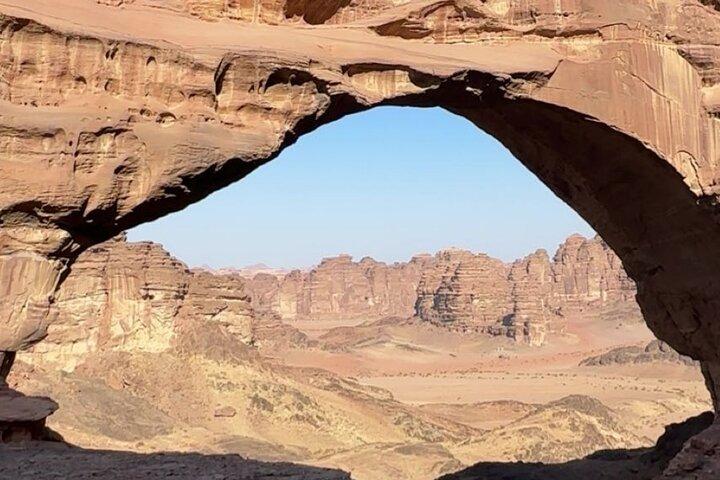
Sparse desert landscapes with historical settlements.
Arabia Petraea was a Roman province from the 2nd to the 7th century, known for its strategic importance.
Visit Petra and Bosra, which served as capitals during different periods.
History enthusiasts and archaeology buffs.
SYP £
$50-$100 p/day
Arabic, English
Explore the blend of Roman and Nabataean influences in the region.
Historical Tour, Educational Visit
April-JuneSeptember-November
Spring offers mild weather, ideal for exploring archaeological sites.
Summers can be extremely hot; plan early morning visits.
Fall provides comfortable temperatures, perfect for outdoor exploration.
Winters are cooler, making it a good time for historical tours.