Transportation
Renting a scooter is the most efficient way to navigate the island's steep and winding roads.


Nangan is the most populous island of the Matsu archipelago and serves as its primary transportation hub. The island is famous for its military heritage, most notably the Beihai Tunnel, an expansive underground system once used for naval vessels. Beyond its history, Nangan offers breathtaking natural beauty with steep hills and rocky shores. Visitors can explore the preserved stone architecture of Jinsha Village or visit the massive Matsu Statue at the Religious Culture Park. The island provides a peaceful escape with a distinct cultural identity influenced by its proximity to the Fujian coast and its unique Eastern Min traditions.
Nangan is the most populous island of the Matsu archipelago and serves as its primary transportation hub. The island is famous for its military heritage, most notably the Beihai Tunnel, an expansive underground system once used for naval vessels. Beyond its history, Nangan offers breathtaking natural beauty with steep hills and rocky shores. Visitors can explore the preserved stone architecture of Jinsha Village or visit the massive Matsu Statue at the Religious Culture Park. The island provides a peaceful escape with a distinct cultural identity influenced by its proximity to the Fujian coast and its unique Eastern Min traditions.
Beihai Tunnel's impressive granite excavations.
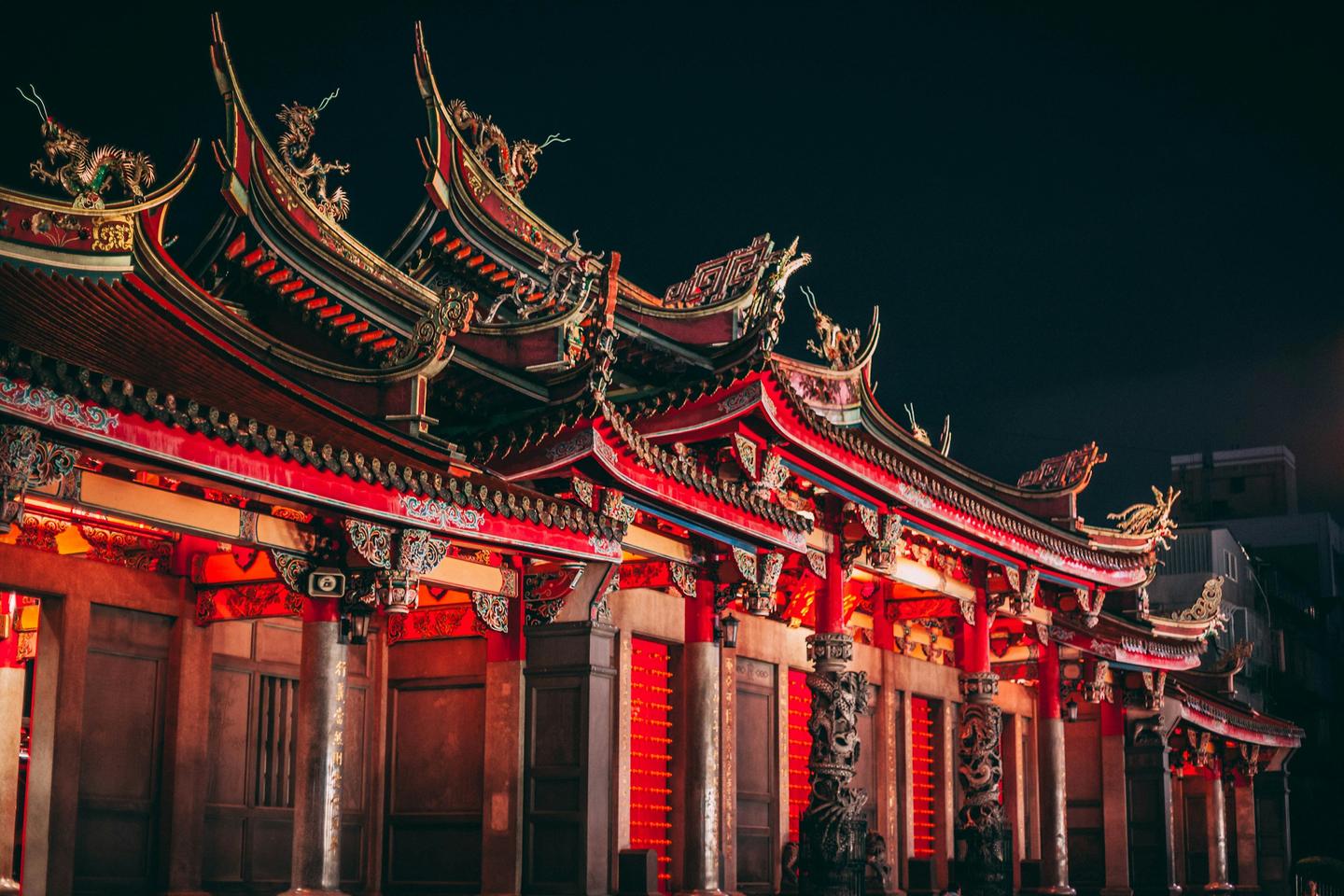
Traditional stone architecture in Jinsha Village.
The world's tallest bronze Matsu statue.
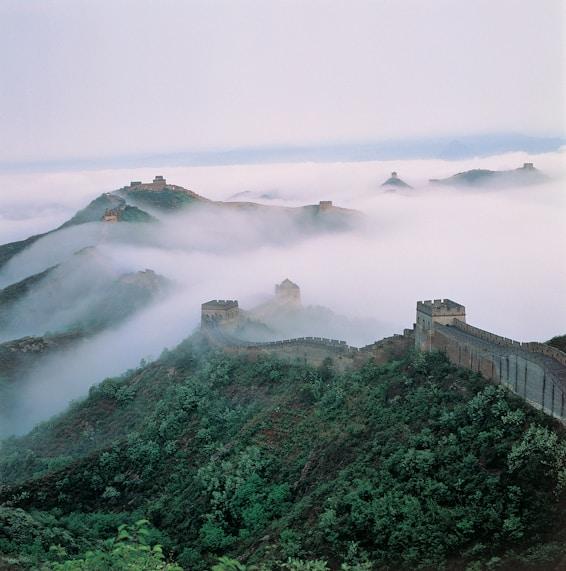
Panoramic views from the island's steep peaks.
The island's terrain is exceptionally hilly, requiring caution when driving or cycling.
Flights and ferries are frequently delayed or cancelled during the spring fog season.
Be mindful of active military zones where photography or entry may be restricted.
Renting a scooter is the most efficient way to navigate the island's steep and winding roads.
Visit between April and August for a chance to witness the bioluminescent 'Blue Tears' phenomenon along the coast.
Exploring military history and rugged coastal landscapes.
TWD $
$60-$110 p/day
Mandarin, Matsu dialect, English
Sample traditional Matsu specialties like kompyang (Matsu burgers) and dishes seasoned with local red yeast rice.
September-November
Foggy conditions are common, potentially affecting travel plans, but it marks the start of the Blue Tears season.
Hot and humid weather is typical; it is a great time for coastal views but be aware of typhoon risks.
The most pleasant season with stable weather and clear skies, ideal for outdoor sightseeing.
Strong winds and cooler temperatures make this the off-peak season, offering a very quiet experience.