Walking the Old Town
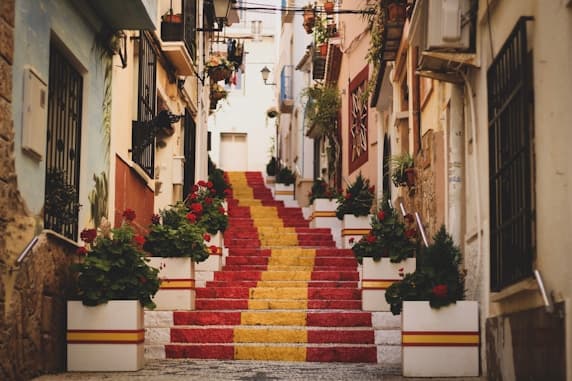
Wear sturdy shoes as the city is famous for its thousands of stone steps and polished limestone paths.

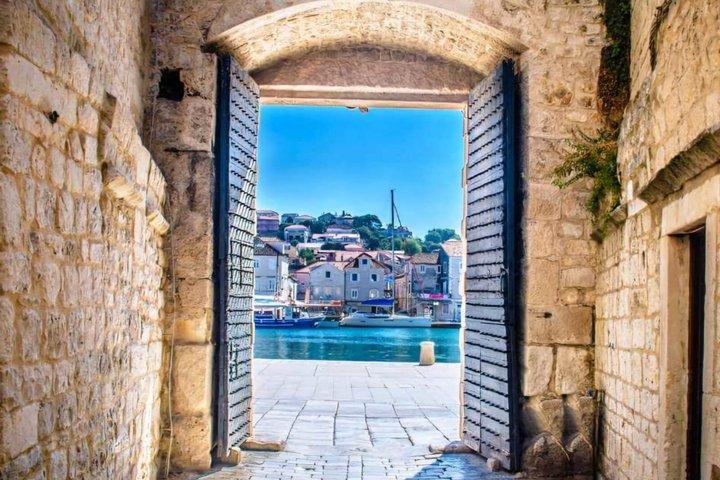
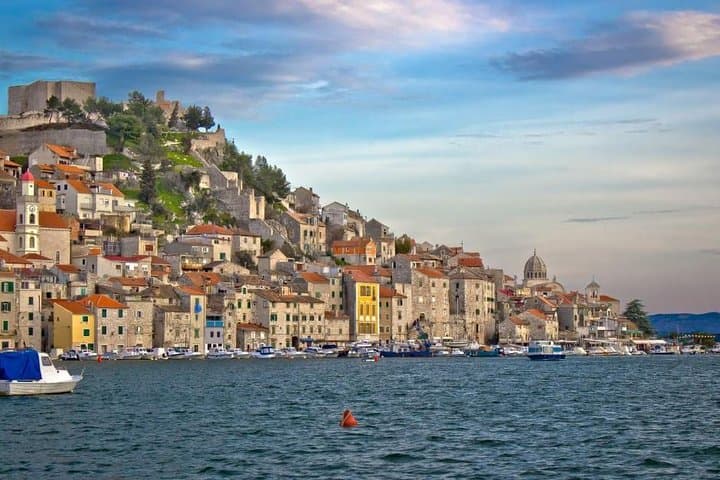
Sibenik distinguishes itself on the Dalmatian coast as a city built entirely of stone, creating a strikingly cohesive and historic aesthetic. Unlike many other coastal towns, it was founded by Croats, giving it a unique cultural footprint visible in its labyrinthine streets and grand squares. The city is home to impressive medieval fortifications and sits at the mouth of the Krka River, providing a scenic backdrop where fresh water meets the salt of the Adriatic. Visitors can wander through the car-free old town, discover hidden churches, and enjoy local Dalmatian cuisine in quiet courtyards. Its central location also makes it an ideal starting point for excursions to nearby national parks and the islands of the Sibenik archipelago.
Sibenik distinguishes itself on the Dalmatian coast as a city built entirely of stone, creating a strikingly cohesive and historic aesthetic. Unlike many other coastal towns, it was founded by Croats, giving it a unique cultural footprint visible in its labyrinthine streets and grand squares. The city is home to impressive medieval fortifications and sits at the mouth of the Krka River, providing a scenic backdrop where fresh water meets the salt of the Adriatic. Visitors can wander through the car-free old town, discover hidden churches, and enjoy local Dalmatian cuisine in quiet courtyards. Its central location also makes it an ideal starting point for excursions to nearby national parks and the islands of the Sibenik archipelago.
Intricate stone-built old town with narrow alleys.
Strategic coastal location near the Krka River.
Rich medieval heritage and impressive fortifications.
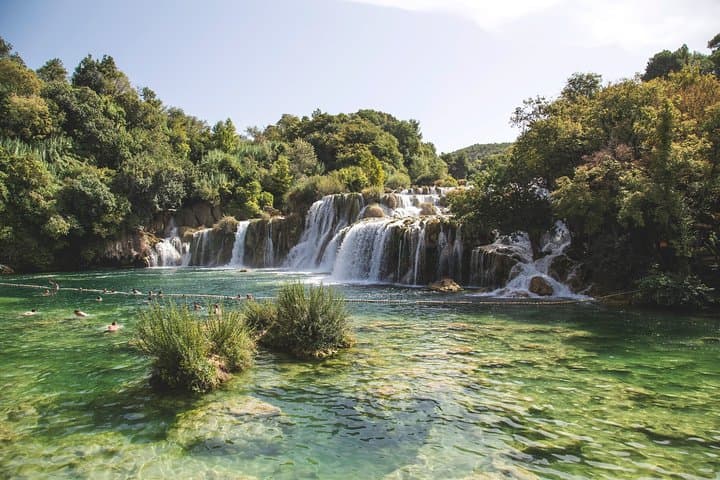
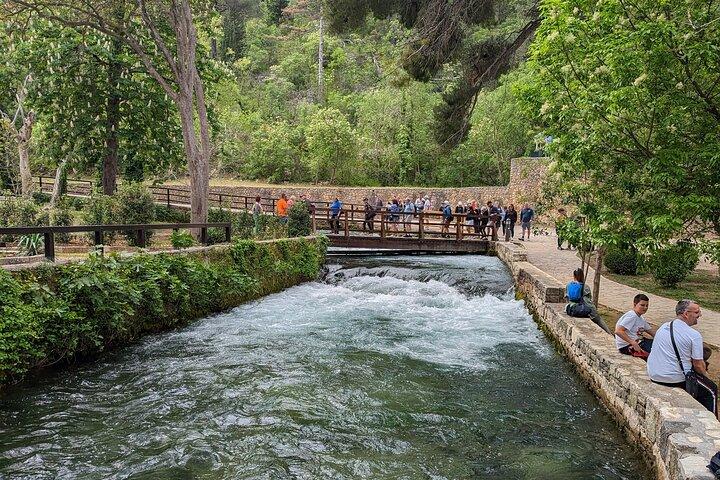
Gateway to the Kornati and Krka National Parks.
The city is very hilly with many stairs, which may be difficult for strollers or those with mobility issues.
It is generally quieter and less commercialized than Split or Dubrovnik.
Parking near the historic center can be limited and challenging during peak season.
Wear sturdy shoes as the city is famous for its thousands of stone steps and polished limestone paths.
Use the city as a base for early morning trips to Krka National Park to beat the midday crowds.
History lovers and travelers seeking an authentic Adriatic atmosphere.
EUR €
$80-$140 p/day
Croatian, English, German
Look for 'konobas' (traditional taverns) in the side streets for the most authentic and reasonably priced seafood.
May-June, September-October
Mild weather is perfect for hiking in nearby national parks and exploring the city without the summer heat.
The peak season offers vibrant nightlife and perfect conditions for boat trips, though temperatures can be high.
September and October provide warm sea temperatures and fewer tourists, ideal for a relaxed visit.
A quiet time when the city belongs to the locals; some tourist facilities may have reduced hours.