Transport
Use the local 'Number 37' bus to easily travel between Split, Trogir, and the airport.
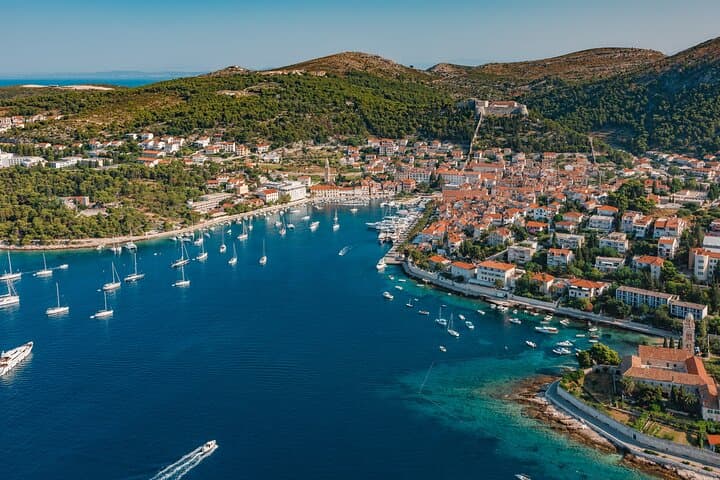
Kaštel Novi is one of the seven historic settlements that make up the town of Kaštela, situated along the stunning bay between Split and Trogir. Founded in 1512 with the construction of the Cippico Tower, the town retains much of its old-world Dalmatian character with narrow stone streets and traditional houses. Visitors can enjoy leisurely walks along the Riva (waterfront), explore local vineyards, or use the town as a quiet base to visit nearby cultural landmarks. Its location offers a more authentic, local experience compared to the busier neighboring cities while still providing access to beautiful pebble beaches and clear Adriatic waters.
Kaštel Novi is one of the seven historic settlements that make up the town of Kaštela, situated along the stunning bay between Split and Trogir. Founded in 1512 with the construction of the Cippico Tower, the town retains much of its old-world Dalmatian character with narrow stone streets and traditional houses. Visitors can enjoy leisurely walks along the Riva (waterfront), explore local vineyards, or use the town as a quiet base to visit nearby cultural landmarks. Its location offers a more authentic, local experience compared to the busier neighboring cities while still providing access to beautiful pebble beaches and clear Adriatic waters.
The 16th-century Cippico Tower and historic town center.
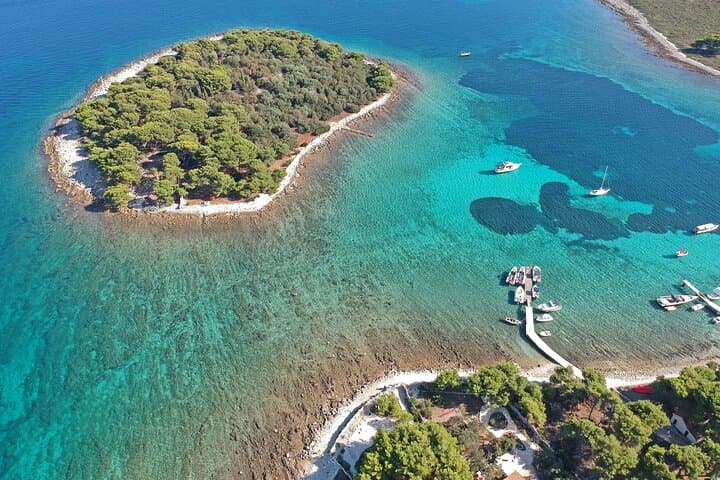
Scenic waterfront promenades along the Adriatic Sea.
Proximity to the UNESCO World Heritage sites of Split and Trogir.
Authentic local atmosphere away from the main tourist hubs.
Proximity to the airport makes it convenient but can result in occasional aircraft noise.
The town is significantly quieter than Split, making it better for families or those seeking relaxation.
Walking between the seven Kaštela towns is possible via the coastal path.
Use the local 'Number 37' bus to easily travel between Split, Trogir, and the airport.
The area is the ancestral home of the Zinfandel grape; look for local 'Crljenak Kaštelanski' labels.
Quiet seaside stays and exploring the Dalmatian coast.
EUR €
$70-$120 p/day
Croatian, English
Pack water shoes as most local beaches are pebbly, which is typical for the region.
May-June, September-October
Mild weather and blooming landscapes make it ideal for hiking and exploring historical sites without the summer heat.
The peak season for swimming and local festivals, though temperatures and tourist numbers are at their highest.
Warm sea temperatures and fewer crowds make September a perfect time for a coastal visit.
A very quiet period where some tourist facilities may close, but the local life remains authentic and peaceful.