Getting Around
Split has a reliable public transport system, including buses and ferries to nearby islands.
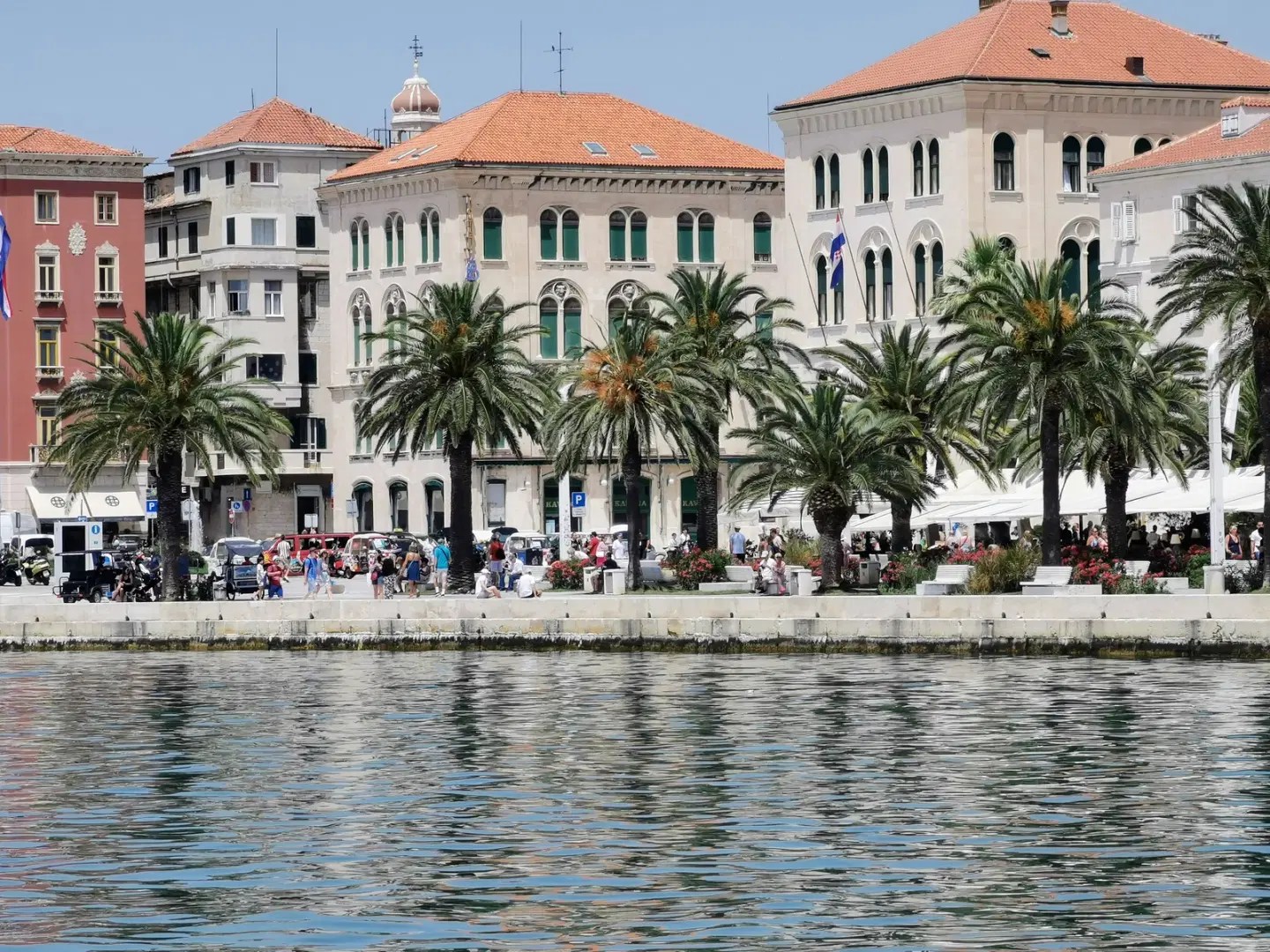
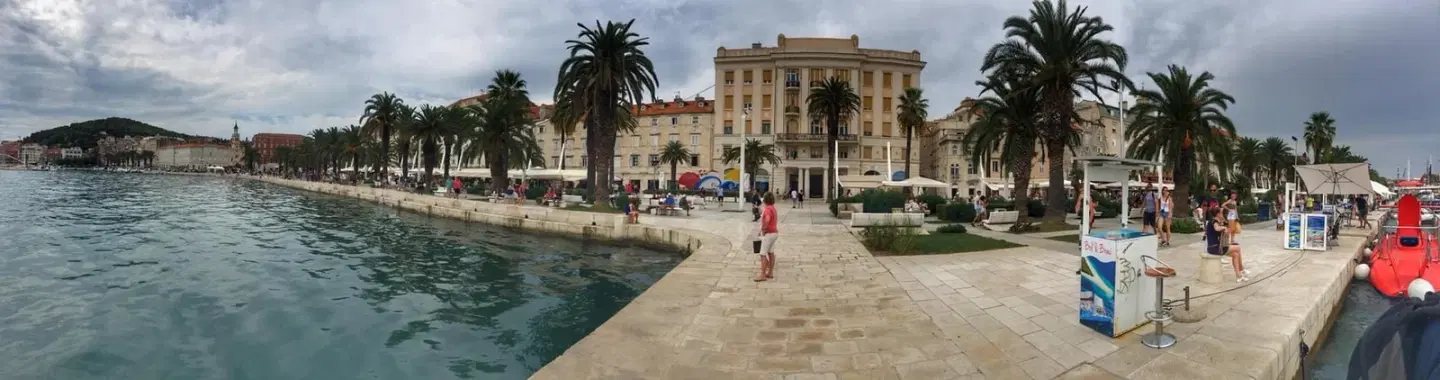
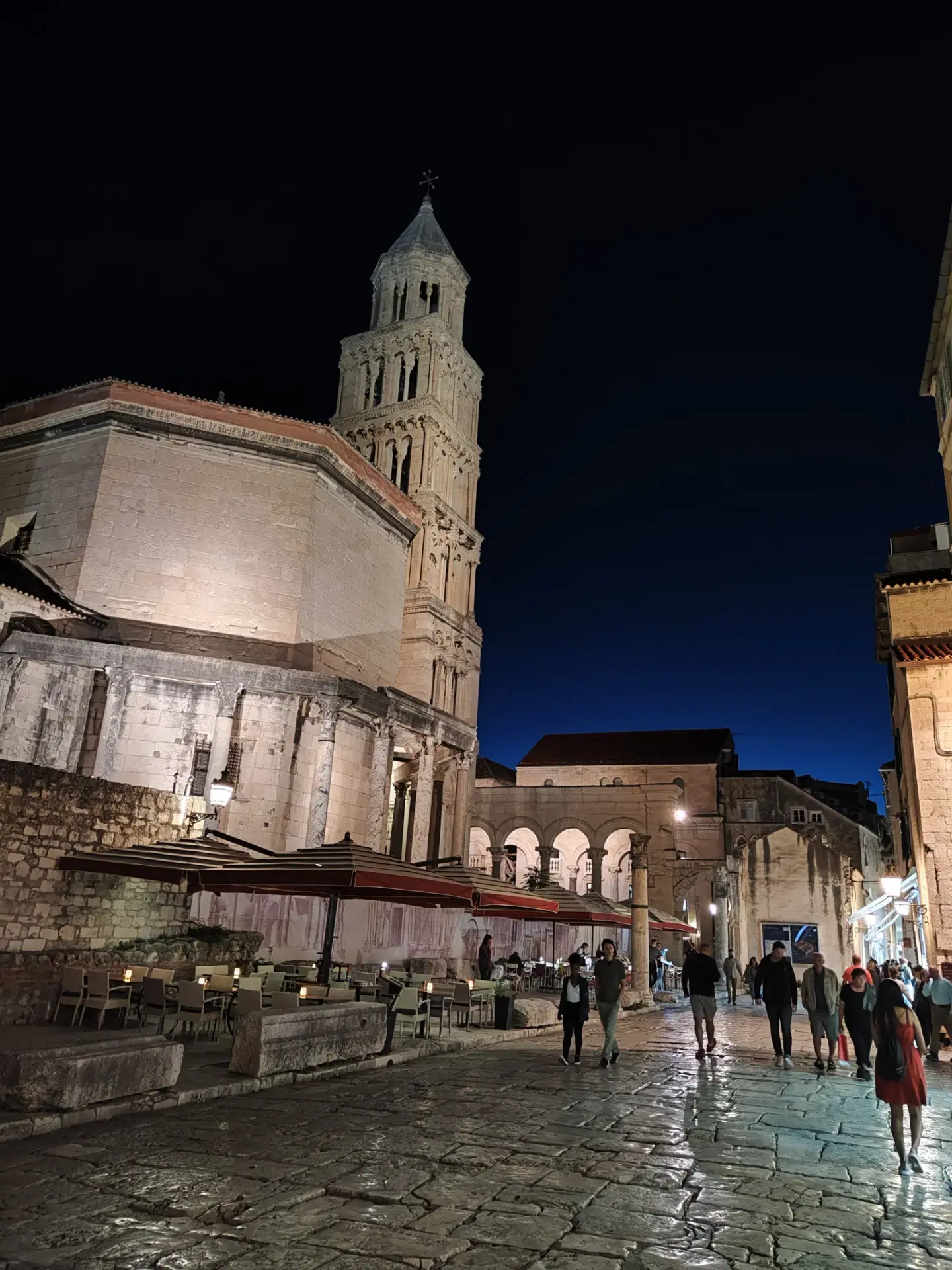
Split, located on Croatia's Dalmatian coast, is a captivating city with a rich tapestry of history and culture. Known for the well-preserved Diocletian's Palace, a UNESCO World Heritage Site, the city offers a fascinating journey through time, showcasing Roman, Byzantine, and Venetian influences. Visitors can enjoy the bustling local markets, indulge in traditional Croatian cuisine, and take in the breathtaking views of the Adriatic Sea. As a major transport hub, Split serves as the gateway to the picturesque Adriatic islands, making it an ideal base for further exploration. Whether you're a history enthusiast or a beach lover, Split promises a memorable experience.
Split, located on Croatia's Dalmatian coast, is a captivating city with a rich tapestry of history and culture. Known for the well-preserved Diocletian's Palace, a UNESCO World Heritage Site, the city offers a fascinating journey through time, showcasing Roman, Byzantine, and Venetian influences. Visitors can enjoy the bustling local markets, indulge in traditional Croatian cuisine, and take in the breathtaking views of the Adriatic Sea. As a major transport hub, Split serves as the gateway to the picturesque Adriatic islands, making it an ideal base for further exploration. Whether you're a history enthusiast or a beach lover, Split promises a memorable experience.
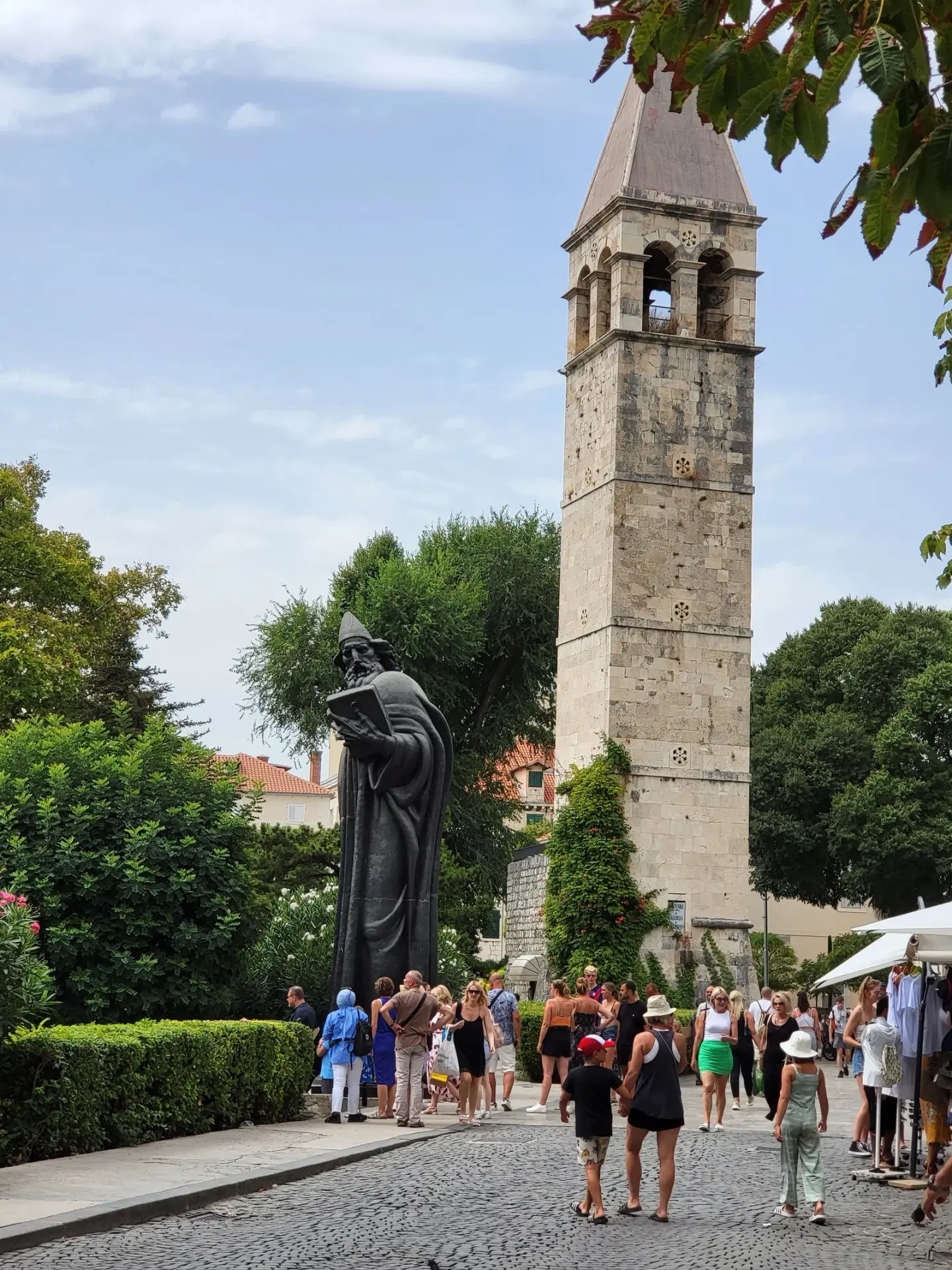
Diocletian's Palace, a UNESCO World Heritage Site.
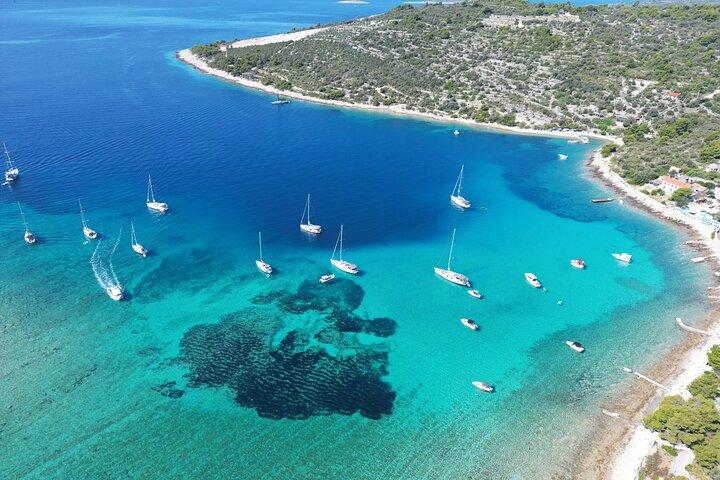
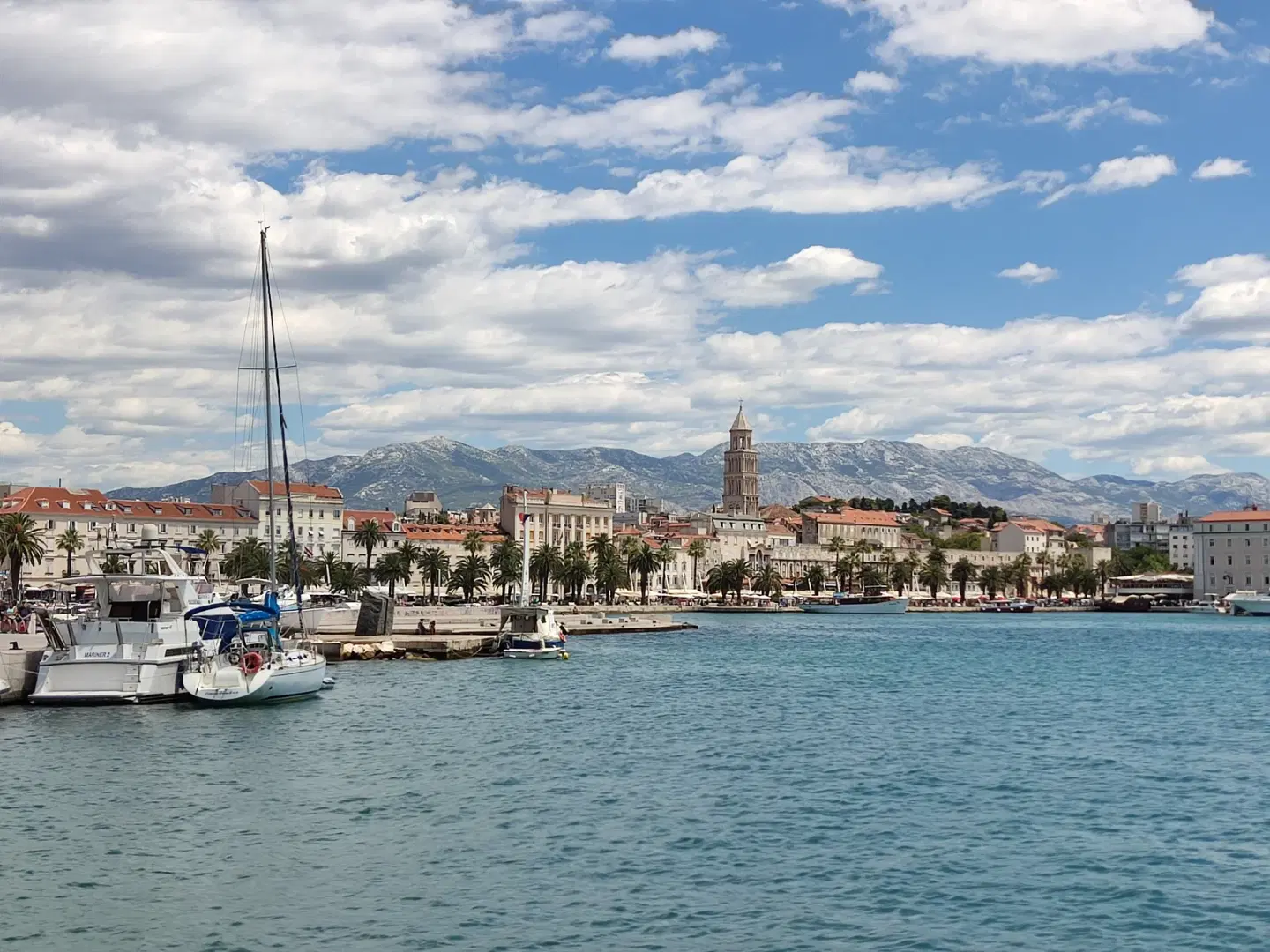
Stunning views of the Adriatic Sea.
Rich blend of Roman, Venetian, and Byzantine architecture.
Vibrant local markets and cuisine.
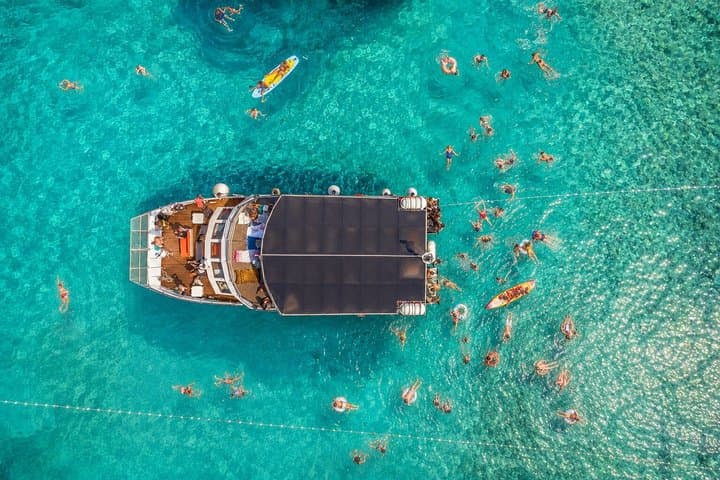
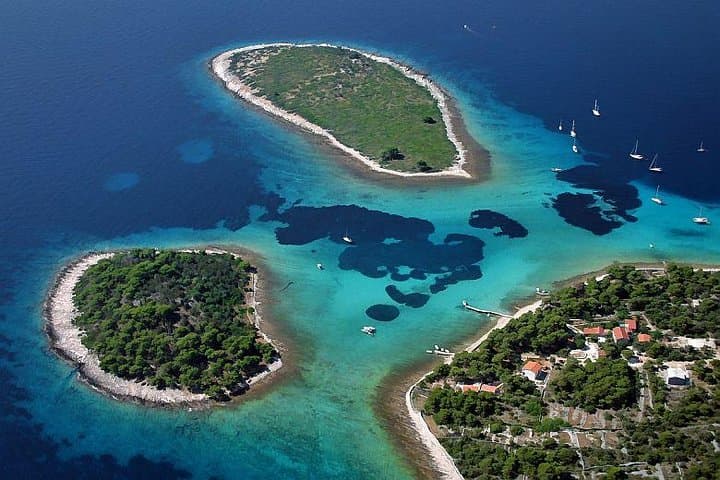
Gateway to nearby Adriatic islands.
Rich historical heritage with Roman, Venetian, and Byzantine influences.
Beautiful coastal scenery with access to Adriatic islands.
Vibrant cultural scene with festivals and events throughout the year.
Split has a reliable public transport system, including buses and ferries to nearby islands.
Try local specialties like 'pašticada' and fresh seafood at the city's numerous restaurants.
History buffs and seaside explorers.
HRK kn
$60-$120 p/day
Croatian, English
Visit Diocletian's Palace early in the morning to avoid crowds.
Bacvice Beach is popular for its sandy shore and vibrant atmosphere.
Explore the Green Market for fresh produce and local goods.
Tourists, History, Beach
April-JuneSeptember-October
Spring offers mild weather, perfect for exploring historical sites and enjoying outdoor activities.
Summer is peak tourist season with warm weather ideal for beach activities, but expect larger crowds.
Fall provides a quieter experience with pleasant temperatures, great for sightseeing and hiking.
Winters are mild, making it a good time to explore the city without the summer crowds.